
Retaining Wall & Stone Feature Care: Expert Tips That Prevent Costly Repairs
Retaining Wall & Stone Feature Care: Expert Tips That Prevent Costly Repairs
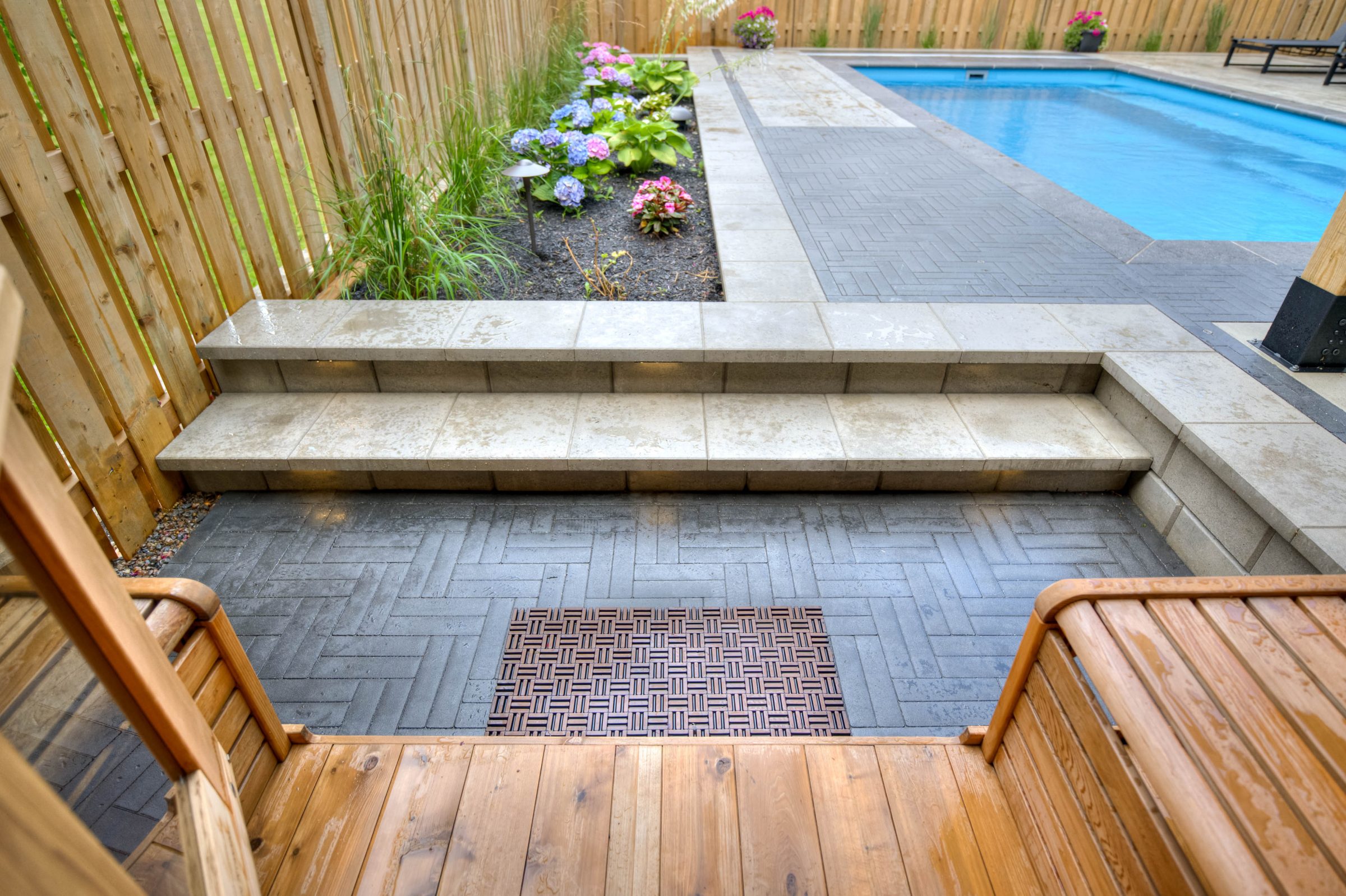
A new retaining wall or stone feature can add beauty and value to your property—but only if it stays in great shape. Skipping simple upkeep leads to costly repairs down the road. With a few seasonal steps, you can keep your investment strong and stunning year-round. In this guide, you’ll find practical retaining wall maintenance and stone patio care tips tailored for Kitchener-Waterloo homes. For more insights, check out this comprehensive guide.
Seasonal Care Essentials
Maintaining your retaining wall and stone features throughout the year ensures they remain in excellent condition. Here’s how you can start:
Drainage Around Retaining Walls
Proper drainage is crucial to the longevity of your retaining wall. If water can’t escape, it builds up behind the wall and causes damage. Here’s what you can do:
-
Check for Blockages: Ensure that drainage holes and pipes are clear. Leaves and debris can clog these, leading to water buildup.
-
Inspect the Slope: The land should slope away from the wall. This helps water flow away rather than pool around the base.
-
Use Gravel: Place gravel behind the wall to improve drainage. This allows water to flow easily, reducing pressure on the wall.
A well-drained wall lasts longer and requires fewer repairs, saving you money over time. To understand more about drainage systems, visit this detailed article.
Sealing Natural Stone Features
Sealing your stone features prevents water absorption and reduces the likelihood of stains. Here’s how to keep your stone looking pristine:
-
Choose the Right Sealant: Opt for a sealant that matches your stone type. Some sealants enhance color, while others offer a matte finish.
-
Application: Apply the sealant on a dry day. Make sure the surface is clean to ensure the sealant adheres properly.
-
Frequency: Reseal every 1-2 years. Regular sealing keeps your stone protected from the elements.
Sealing is a small step that results in a big payoff: longer-lasting, beautiful stone features that enhance your home.
Polymeric Sand Refresh
Polymeric sand helps lock your stone pavers in place, preventing them from shifting. Refreshing this sand is simple:
-
Clean Joints: Remove old sand from the joints with a pressure washer. This prepares the area for new sand.
-
Apply New Sand: Pour the sand into the joints, sweeping it in with a broom. Compact the sand for a firm hold.
-
Water Gently: Lightly mist the sand with water to activate its binding properties without washing it away.
Refreshing your polymeric sand ensures your stone features stay neat and stable throughout the seasons.
Cleaning and Inspection Tips
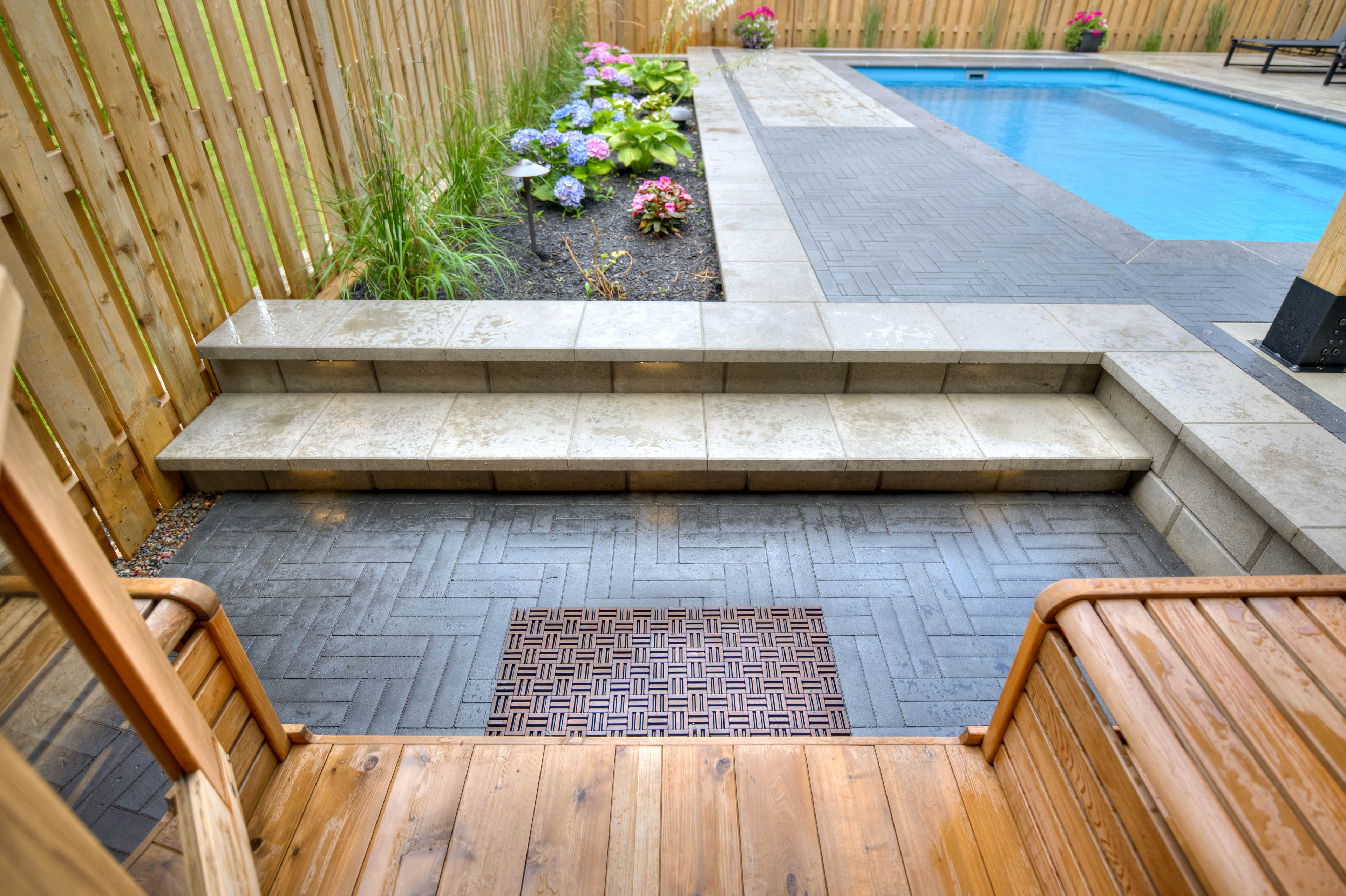
Keeping your stonework clean and inspected prevents minor issues from becoming major problems.
How to Clean Stone Pavers
Cleaning your stone pavers keeps them looking fresh and new. Here’s a simple method:
-
Sweep Regularly: Remove leaves and debris that can stain or wear down the pavers.
-
Use a Mild Cleaner: Mix water with a gentle soap. Scrub the pavers with a brush to remove grime.
-
Rinse Thoroughly: Ensure all soap is washed away to prevent residue buildup.
Regular cleaning extends the life of your pavers, maintaining their beauty.
Efflorescence Removal Methods
Efflorescence can appear as a white powder on your stone surfaces. Here’s how to tackle it:
-
Identify the Cause: Often, moisture is the culprit. Check for drainage issues.
-
Brush Away: Use a stiff brush to remove the powder. Avoid using water initially, as it can worsen the problem.
-
Chemical Cleaners: If brushing doesn’t work, try a specialized efflorescence cleaner.
Removing efflorescence keeps your stone features looking their best.
Joint and Cap Inspections
Inspections help identify potential issues before they require costly repairs. Focus on:
-
Joint Stability: Check for loose or missing joint material. Replace or repair as needed.
-
Caps: Ensure capstones are secure. Loose caps can lead to water penetration and damage.
Regular inspections give you peace of mind, knowing your stonework is in great shape.
Winter and Frost Protection
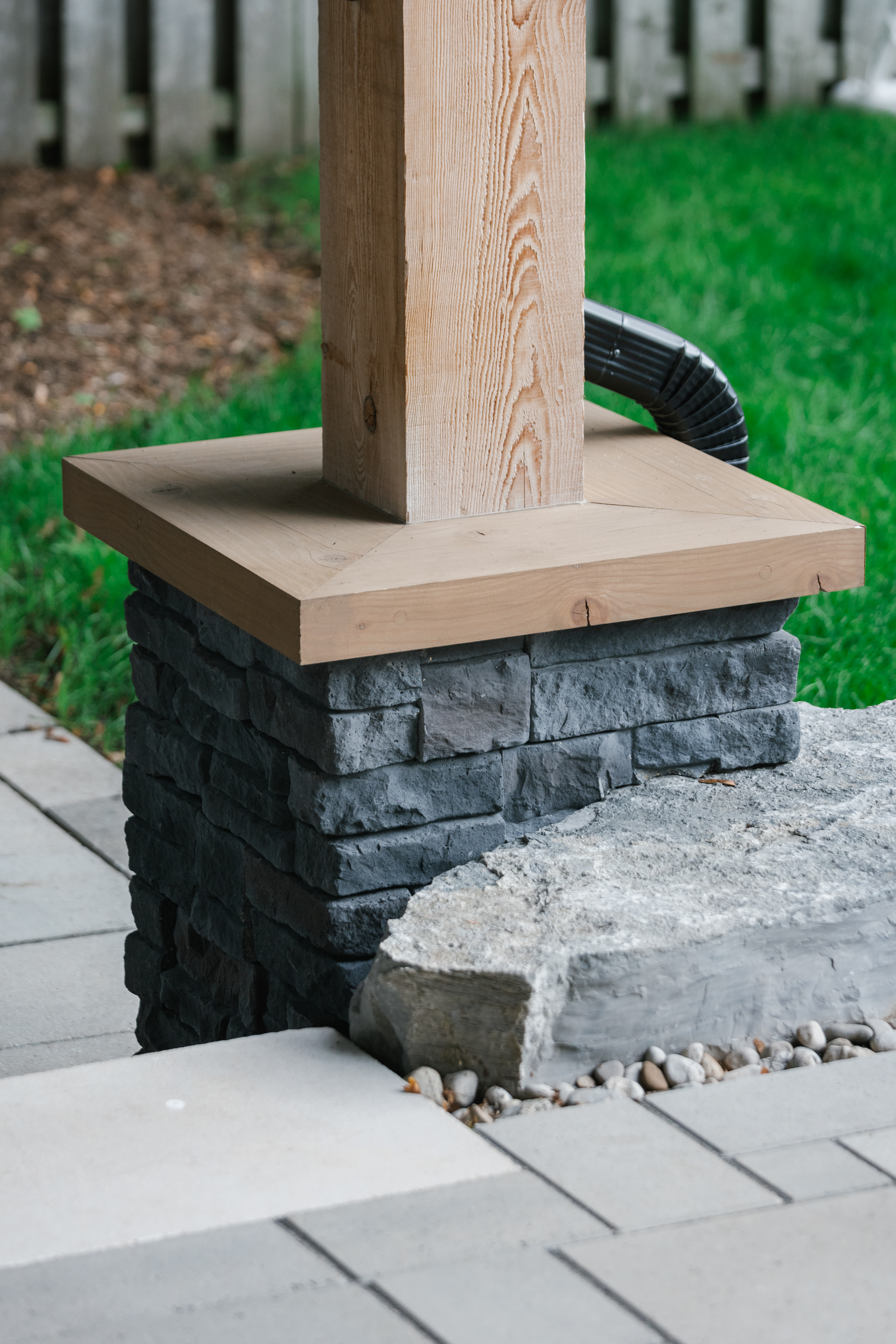
Winter can be harsh on stone features, but preparation helps minimize damage.
Freeze-Thaw Damage Prevention
Winter’s freeze-thaw cycles can harm stonework. Here’s how to protect your investment:
-
Seal Thoroughly: A good sealant blocks moisture that can freeze and expand, causing cracks.
-
Clear Debris: Leaves and debris trap moisture. Keep your stonework clean.
-
Use Sand: Instead of salt, use sand on icy surfaces. Salt can damage stone over time.
Protecting against freeze-thaw cycles ensures your stone features remain intact.
Safe Winter Care Practices
Winter care is about prevention. Here are safe practices to keep in mind:
-
Shovel Carefully: Use plastic shovels to avoid scratching your stone.
-
Choose Safe De-icers: Opt for de-icers that are safe for stone surfaces. Read labels carefully.
-
Regular Checks: Inspect your stonework periodically for signs of damage.
Caring for your stonework in winter means less repair work in spring.
Interlock Repair Kitchener
Living in Kitchener, you know how the climate can affect your stone features. If you notice issues with your interlock pavers:
-
Address Shifting: Pavers may shift due to freeze-thaw cycles. Re-level them before they worsen.
-
Repair Cracks: Fill small cracks to prevent them from expanding.
-
Consult Professionals: For significant repairs, consider expert help. Local services like Array Contracting Services provide reliable solutions.
With these tips, your stone features will remain a beautiful part of your home, season after season. For more expert advice, visit outdoorcedarstructures.com.
Tags: