
What Makes a Retaining Wall Strong, Safe, and Built to Last
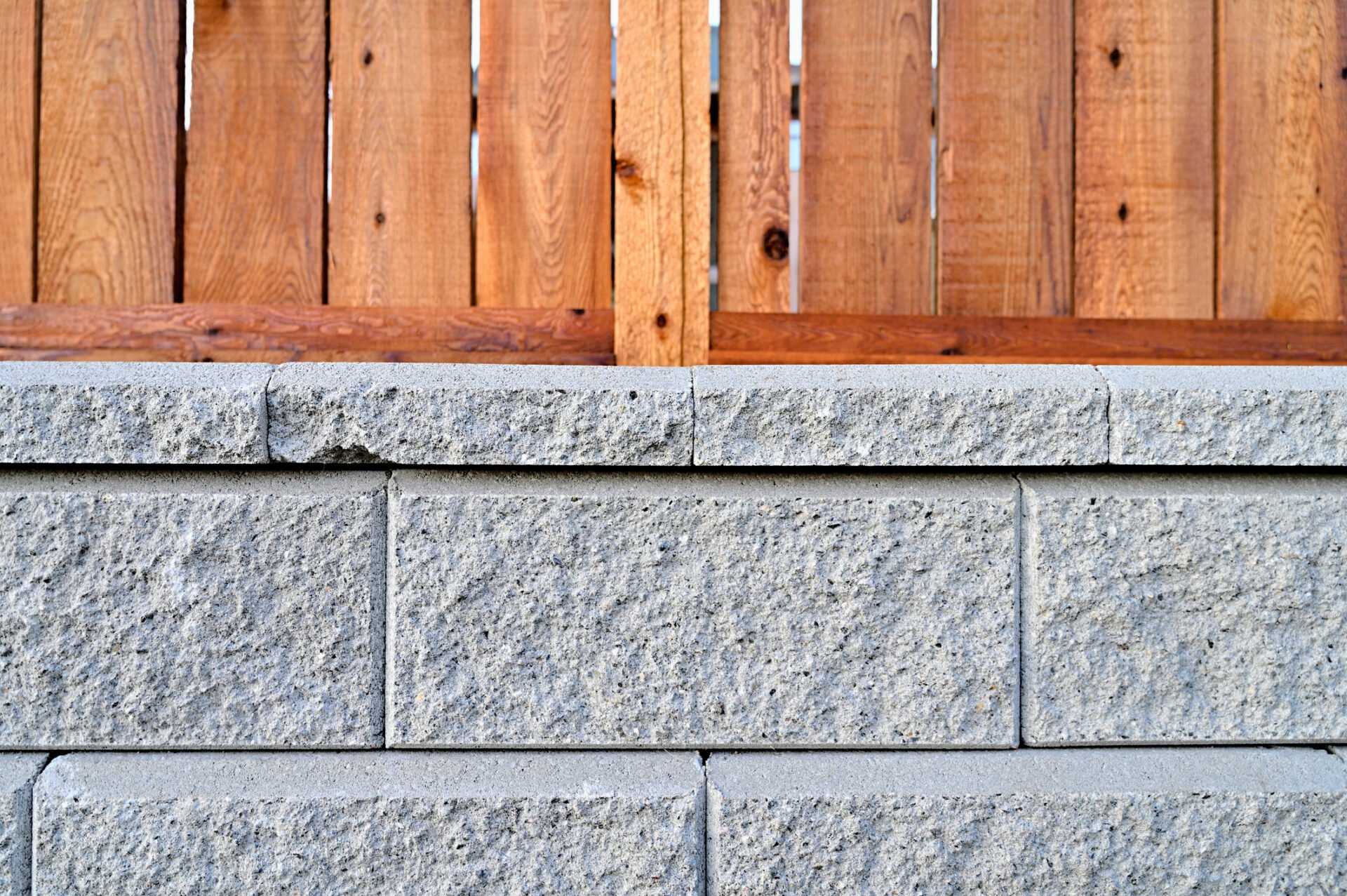
What Makes a Retaining Wall Strong, Safe, and Built to Last
Retaining walls that look great but fail quickly cause more headaches than they solve. If you’ve noticed soil slipping or uneven yards around your home in Kitchener-Waterloo, it’s time to get the details right. We’ll show you what makes a retaining wall strong, safe, and built to last, with expert tips from local pros who handle everything from engineered designs to proper drainage. Keep reading to learn how to protect your property and boost curb appeal with confidence. For more insights, check out this guide on designing a long-lasting retaining wall.
Essential Components of a Strong Retaining Wall
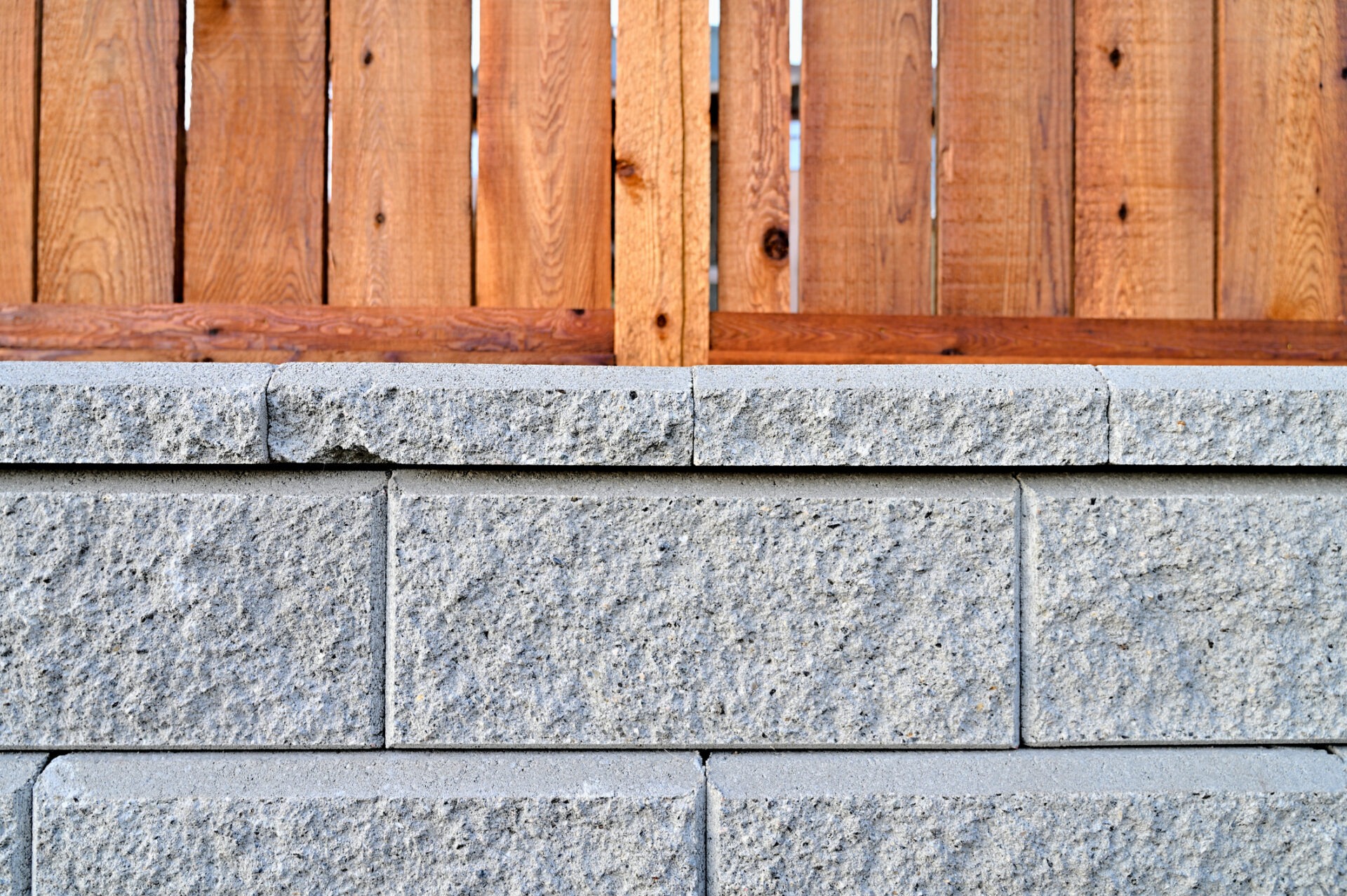
Building a reliable retaining wall starts with understanding its key components. From the foundation to drainage, each element plays a critical role in stability and longevity. Let’s explore these foundational aspects.
Foundation and Base Preparation
A solid foundation is the backbone of any retaining wall. Without it, even the most beautiful wall will collapse. The process begins with gravel base and compaction. A well-prepared base ensures the wall can withstand pressure and remain level over time. Start by excavating to a depth that allows for a gravel layer, which should be at least 6 inches. Compact the gravel thoroughly to prevent shifting. This step is crucial because a poorly compacted base can lead to uneven settling and wall failure.
Next, the first row of blocks or stones should be carefully leveled. This initial layer dictates the alignment of the entire structure. If it’s off, the wall will likely develop problems as it grows. Remember, a strong foundation equals a strong wall.
Geogrid and Geotextile Use
Reinforcement materials like geogrid reinforcement and geotextile fabric are essential for strength. These materials help distribute weight and provide stability, especially for taller walls. Geogrid is laid between layers of wall material, extending back into the soil. This creates a reinforced zone that resists pressure and prevents bulging.
Geotextile fabric also plays a role by separating soil layers and preventing mixing. It acts like a filter, allowing water to pass while keeping soil stable. Both materials are crucial for a wall that can handle the elements and remain standing for years to come.
Proper Drainage Techniques
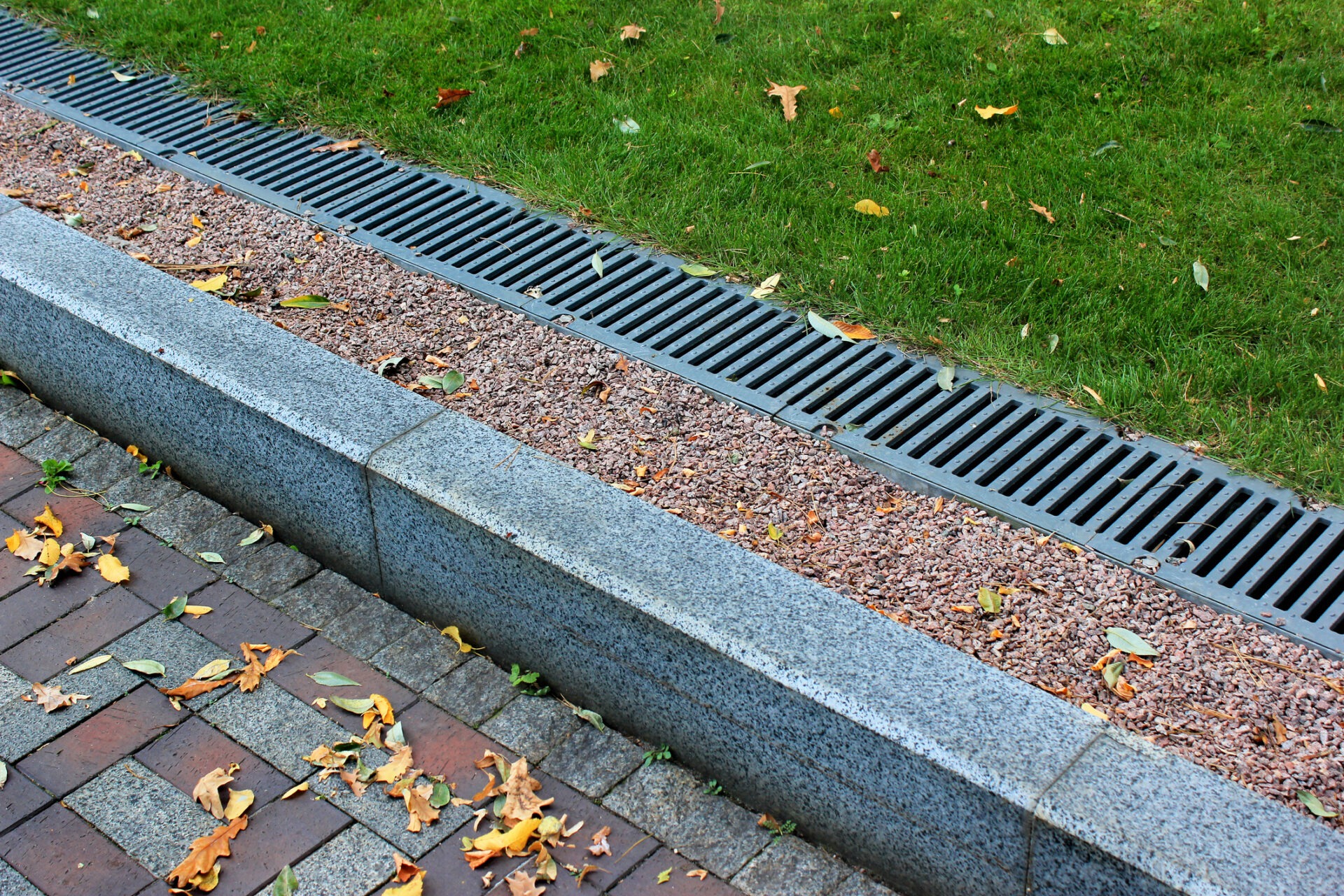
Water is a wall’s worst enemy if not managed properly. Proper drainage for retaining walls prevents hydrostatic pressure, which can cause walls to buckle. Start with weep holes at the base of the wall to allow water to escape. Behind the wall, install a drainage pipe surrounded by gravel. This system directs water away, reducing pressure.
Consider using a weeping tile system for large projects. This involves placing perforated pipes in a gravel trench to channel water efficiently. Proper drainage is vital for maintaining the structural integrity of your wall over time.
Ensuring Safety and Compliance
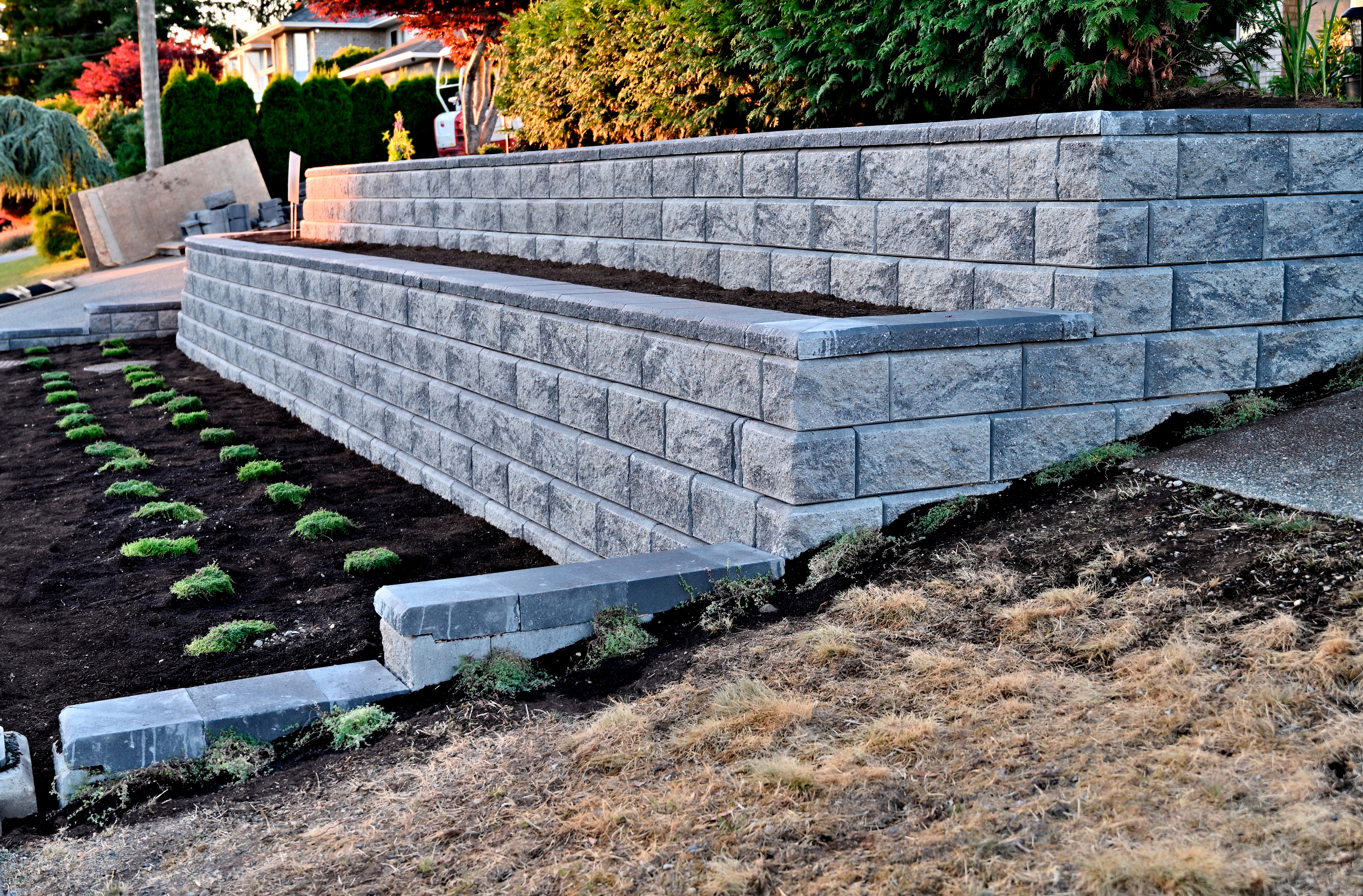
Building a retaining wall isn’t just about stacking stones; safety and compliance are key. Ensuring your wall meets local codes and handles natural challenges is crucial.
Understanding Permit Requirements
Before construction, it’s important to understand local permit requirements. In Ontario, walls over a certain height often require permits. These rules ensure your wall is safe and compliant with zoning laws. Failing to get the proper permits can result in fines or legal issues. It’s a good idea to consult with local authorities or a professional to ensure compliance from the start.
Addressing Erosion and Slope Stabilization
Erosion and slopes can compromise your wall’s stability. Erosion control measures like planting vegetation or using erosion blankets help manage surface water. For slopes, proper grading and terracing are effective strategies. These approaches reduce runoff speed and promote water absorption. Incorporating these methods helps maintain soil stability, protecting your wall from potential collapse.
Frost Heave Prevention Strategies
In colder climates, frost heave prevention is crucial. Frost heave occurs when freezing temperatures cause soil expansion, pushing your wall upwards. To combat this, ensure your base goes below the frost line. Adding drainage layers helps keep water from freezing near the wall. These steps are vital for preventing costly repairs due to frost damage.
Longevity and Maintenance Considerations
To enjoy your retaining wall’s beauty and function for years, consider its maintenance. Choosing the right materials and keeping up with care can make a difference.
Choosing Durable Materials
Selecting the right materials sets the stage for durability. Stone retaining walls and concrete block retaining walls are popular for their strength. Each offers unique benefits, with stone providing a natural look and concrete blocks offering uniformity and ease of installation. Check out this guide on the best retaining wall materials for more insights.
Regular Inspection and Upkeep
Regular inspections are key to spotting potential issues early. Look for cracks, bulging, or water pooling. Addressing these problems promptly can save you from major repairs. Basic upkeep includes cleaning the wall and ensuring drainage systems are clear of debris. A little maintenance goes a long way in securing your wall’s future.
Warranty and Support Services
When investing in a retaining wall, consider the warranty and support services offered by your contractor. A good warranty reflects confidence in the craftsmanship and materials used. Reliable support ensures you have a partner if issues arise. This peace of mind is invaluable when choosing a retaining wall contractor in Kitchener-Waterloo.
In conclusion, building a retaining wall involves more than just stacking stones. It requires careful consideration of foundation, materials, and maintenance. By focusing on these aspects, you ensure a wall that’s not only beautiful but also built to last. With the right approach, your retaining wall can enhance your property and provide lasting peace of mind.
Tags: