
Thinking About a Pergola? What to Consider Before You Build in Kitchener-Waterloo
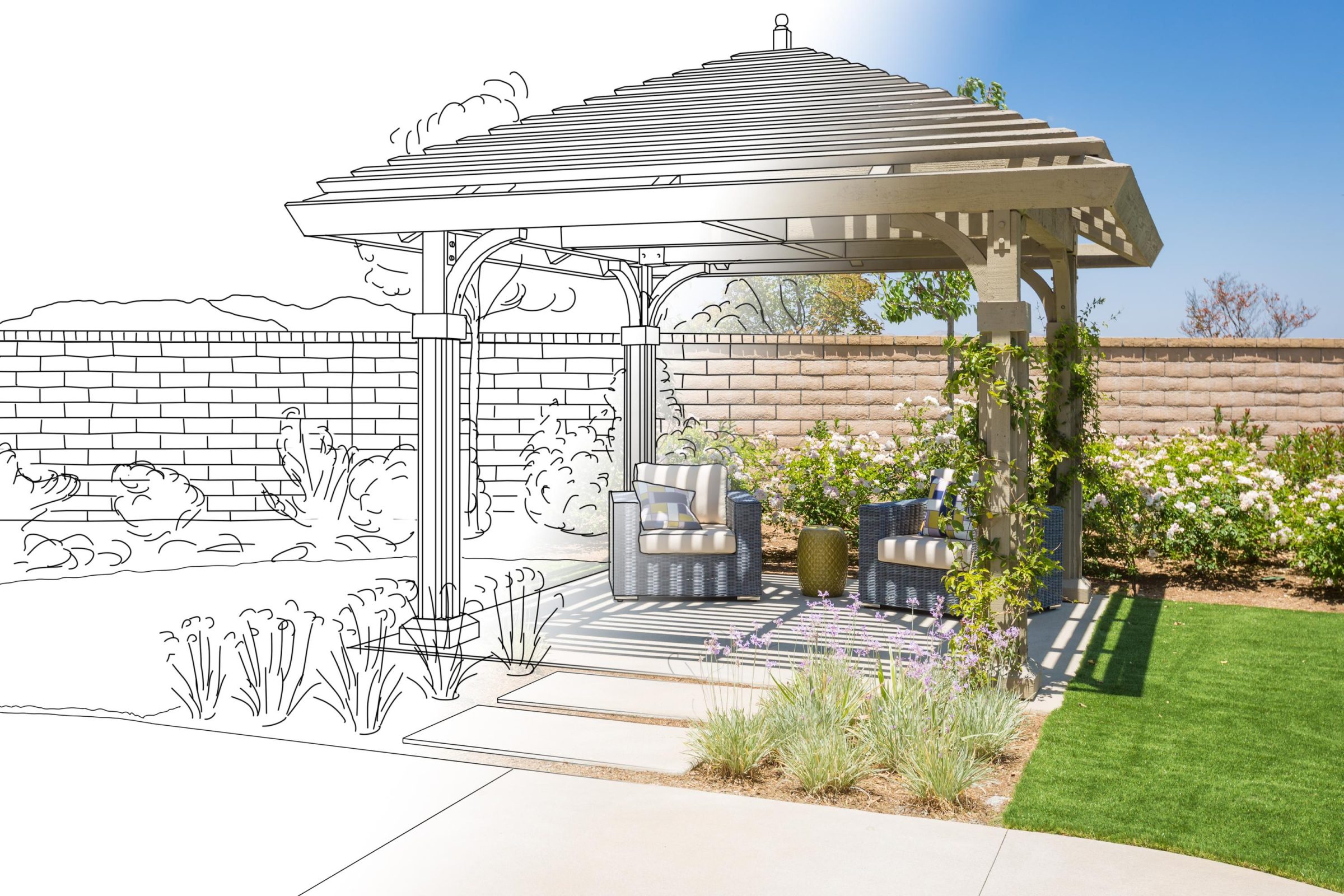
Building a pergola in Kitchener-Waterloo involves more than just picking a spot in your yard. From choosing the right materials to navigating pergola permits Ontario requires, every decision shapes your outdoor living space. This guide breaks down what to think about before you start, so your backyard shade structure fits your lifestyle and lasts for years. Ready for shade and style that lasts? Book your complimentary on-site consultation and 3D pergola design with Brandon and the Array team.
Selecting the Perfect Pergola Site
Choosing the right spot for your pergola is key to maximizing its benefits. Let’s explore how sun exposure and space can influence your decision.
Sun and Shade Considerations 🌞
When selecting the perfect location for your pergola, think about how much sunlight your chosen spot receives throughout the day. A good mix of sun and shade makes your pergola versatile for both sunny afternoons and cooler evenings. If you’re aiming for more shade, position the pergola where it intercepts the afternoon sun. This placement can help keep your outdoor area cooler.
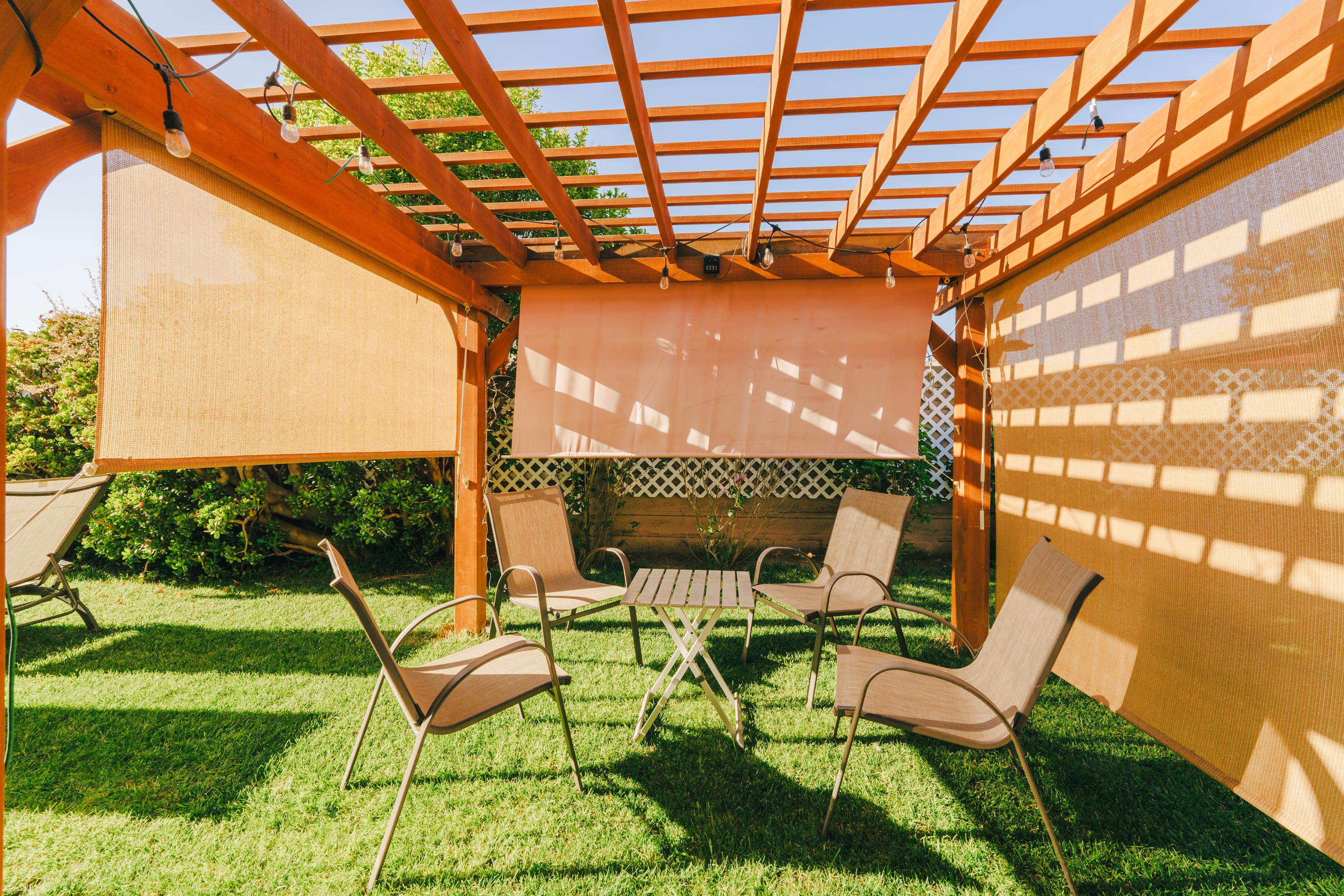
Consider the direction your yard faces as well. South-facing yards might get more direct sunlight, while north-facing ones could offer more shade. You can also use pergola add-ons like retractable canopies or curtains to control the sun exposure. These features not only improve comfort but also add a touch of style to your outdoor space.
Evaluating Your Yard’s Space 🏡
Before you begin building, evaluate how much space you have available. Measure the area to ensure your pergola will fit without making the yard feel cramped. Think about nearby structures like your house or a fence that might impact the pergola’s size or design. It’s important to plan for traffic flow around the pergola as well, maintaining easy access to and from your home.
A spacious yard allows for a larger pergola, which can become a focal point in your landscape. But even smaller yards can benefit from a well-planned design. Consider a corner pergola or a wall-mounted option to save space. With thoughtful planning, your pergola will complement your yard without overwhelming it.
Choosing Materials and Design
Selecting the right materials and design features will not only enhance your pergola’s appearance but also increase its longevity.
Cedar, Aluminum, or Pressure-Treated Options 🌲
The materials you choose will affect both the look and maintenance of your pergola. Cedar is a popular choice due to its natural beauty and resistance to decay. It offers a classic look and blends well with natural surroundings. Aluminum, on the other hand, provides a sleek, modern appearance and requires less maintenance, making it ideal for those seeking low upkeep.
Pressure-treated wood is another option, offering durability at a lower cost. It withstands the elements well and can be painted or stained to match your style. Each material has its pros and cons, so consider what matters most to you: aesthetics, maintenance, or budget.
Custom Pergola Add-Ons and Features ✨
Customizing your pergola with add-ons can make it more functional and appealing. Consider incorporating elements like privacy screens, which can provide a secluded feel and block out unwanted views. Adding pergola lighting can extend your outdoor enjoyment into the evening, creating a cozy atmosphere.
You might also want to include pergola lighting or a built-in seating area. These features not only enhance the pergola’s utility but also increase the overall value of your outdoor space. Personalize your pergola to suit your lifestyle, and you’ll find yourself using it more often.
Planning and Budgeting for Success

Proper planning and budgeting are crucial to ensure your pergola project is completed smoothly and within your financial limits.
Navigating Permits and Footings 📜
Before construction begins, it’s essential to understand the permit requirements in Ontario. Building a pergola often requires a permit, so check with local authorities to avoid any legal issues. This may include understanding the frost line in your area to ensure footings are deep enough to prevent damage from frost heave.
You’ll also need to decide on the type of footings. Helical pile footings are a solid choice for pergolas, offering stability without extensive digging. Proper footings are crucial for the structure’s longevity and safety, ensuring your pergola stands strong for years.
Setting a Realistic Budget for Your Pergola 💰
Establishing a budget for your pergola is a vital step in the planning process. Consider the cost of materials, labor, and any additional features you want to include. A well-planned budget helps prevent unexpected expenses and ensures you get the most value for your investment.
Remember to factor in ongoing maintenance costs, especially if you choose materials like cedar that may require sealing or staining. By planning your budget carefully, you can create a pergola that meets your needs without breaking the bank.
Frequently Asked Questions
Do I need a permit to build a pergola in Ontario?
Yes, in most cases, you will need a permit to build a pergola in Ontario. Check with your local municipality for specific requirements to ensure compliance with building codes.
What material is best for a pergola: cedar, aluminum, or pressure-treated wood?
The best material depends on your priorities. Cedar offers natural beauty, aluminum requires less maintenance, and pressure-treated wood is cost-effective. Consider durability, appearance, and upkeep when choosing.
How can I customize my pergola for more privacy?
You can add privacy screens or curtains to your pergola for more seclusion. These features not only provide privacy but also enhance the overall aesthetic of your outdoor space.
Tags: