
What to Know Before Adding Custom Stonework to Your Property in Kitchener-Waterloo
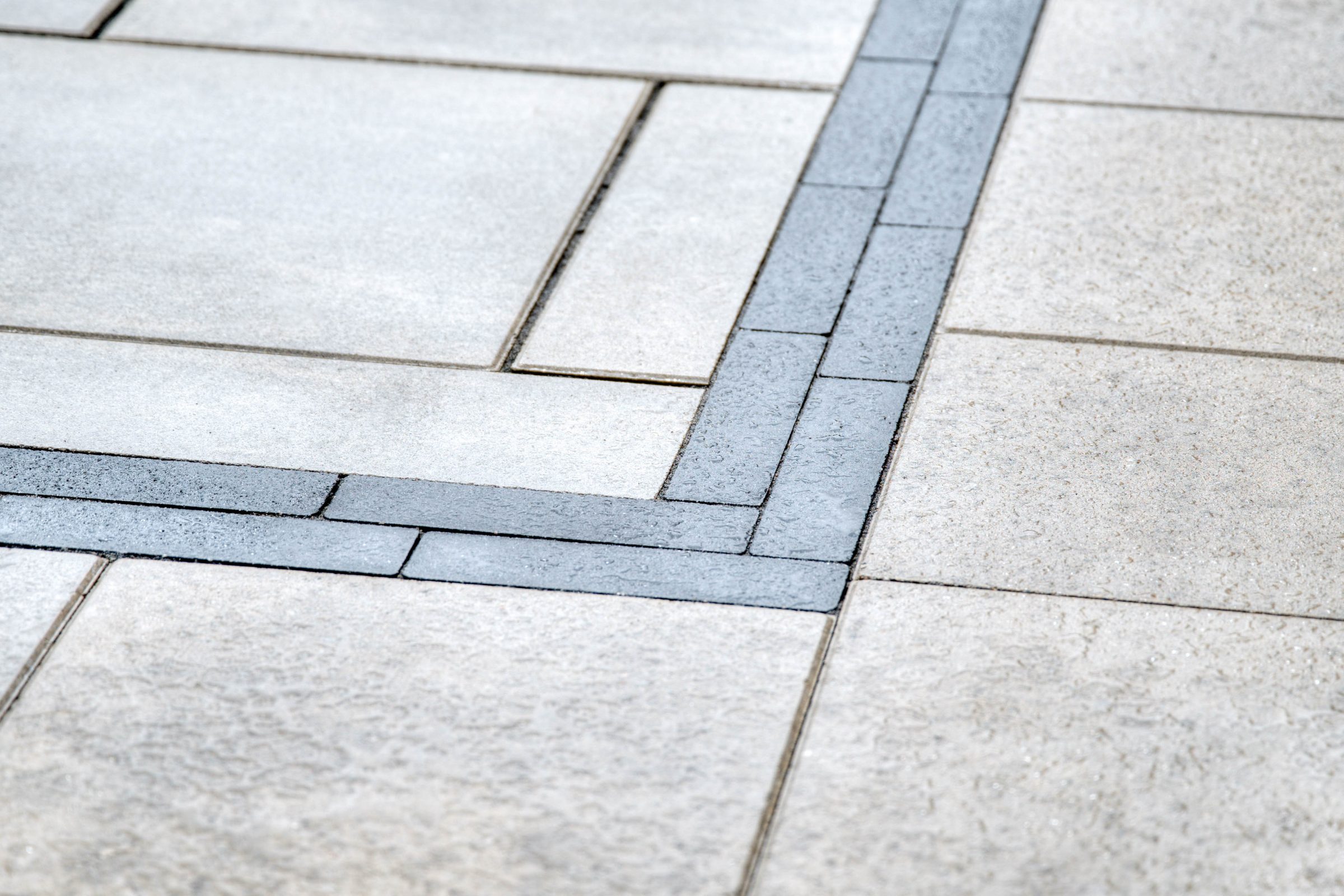
Custom stonework in Kitchener-Waterloo can transform your property, but there’s more to it than just picking stones. From permits to drainage and material choices, every step matters for lasting results. This guide breaks down what you need to know before starting, so your new patio, walkway, or retaining wall stands strong through Ontario’s freeze-thaw cycles. Ready to plan your stonework the right way? Book a no-obligation consultation with Array Contracting Services today.
Planning Your Custom Stonework
Thinking about new stonework for your property? Let’s start with the essentials.
Setting Your Budget
Creating a budget is the first step. Consider not only the costs of materials but also labor and any unexpected expenses. A well-planned budget will guide your entire project, ensuring you don’t face financial surprises down the line. Homeowners often overlook these hidden costs, but tackling them early means smoother progress. Keep in mind that investing in quality from the start can save money on future repairs.
Planning your budget also involves thinking about the long-term value. Quality craftsmanship can enhance your property’s worth and curb appeal. By setting a clear budget, you’re laying the groundwork for a project that adds lasting beauty and functionality to your space.
Understanding Permits and Regulations
Navigating permits is crucial for legal and safe construction. Before any digging starts, check local regulations. This will prevent delays and fines. Permits ensure your work complies with city standards, maintaining neighborhood harmony. It’s not just paperwork; it’s about safety and legality.
Failing to secure proper permits can lead to costly rework. This proactive step protects your investment and allows for a smoother project timeline. By staying informed, you pave the way for a hassle-free construction experience.
Designing with 2D and 3D Concepts
Visualizing your project with 2D and 3D designs helps bring ideas to life. This approach aids in decision-making, providing a clearer picture of the final result. It’s like having a blueprint that guides every choice. You’ll see what works and what doesn’t before the first stone is laid.
These design tools offer peace of mind, minimizing changes later on. They also help you communicate your vision effectively with contractors. Embrace this technology to ensure your project aligns perfectly with your dreams.
Choosing Materials for Durability
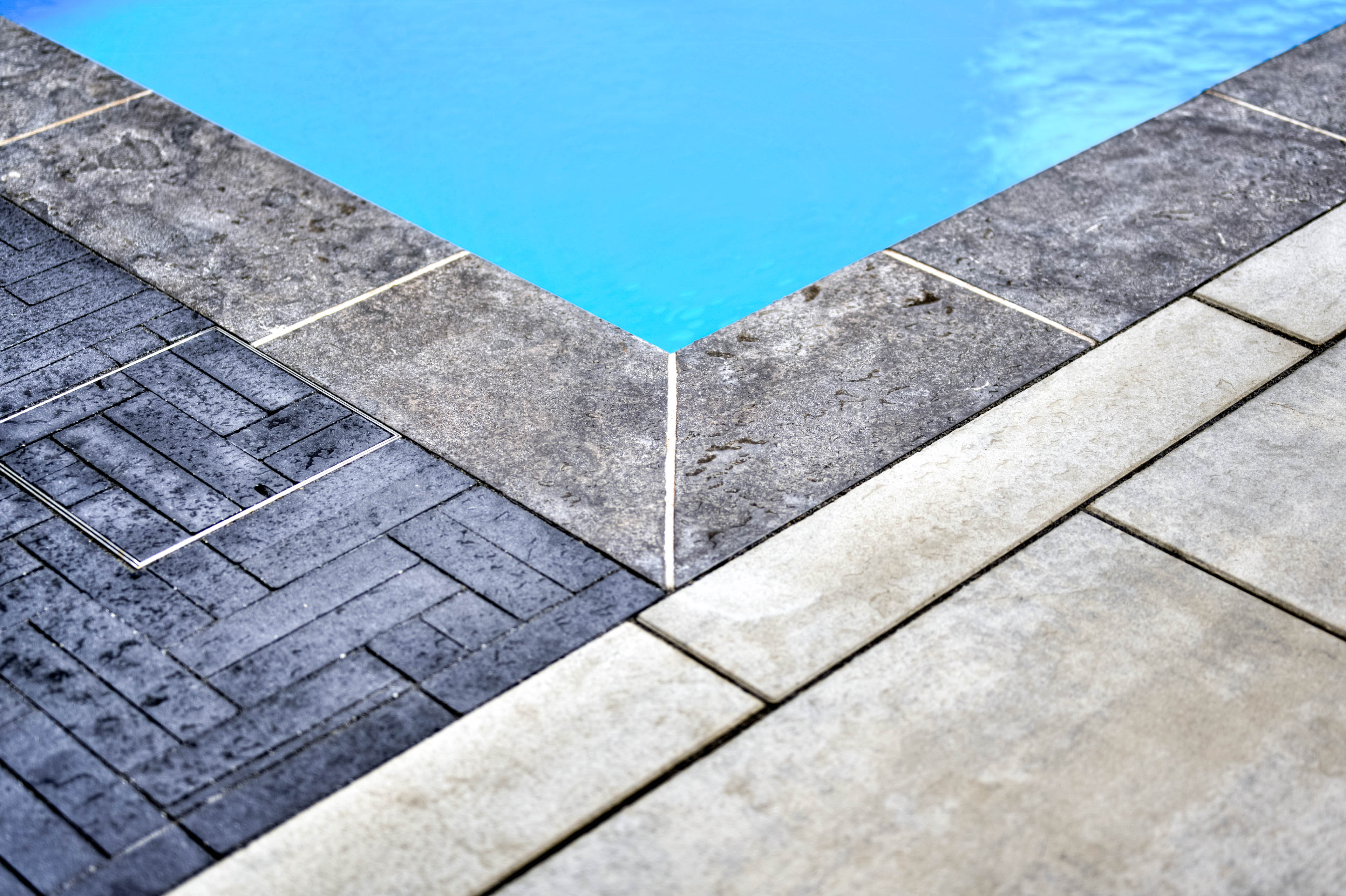
Making the right material choices is key to a lasting finish.
Flagstone vs Pavers
Choosing between flagstone and pavers depends on your aesthetic and durability needs. Flagstone offers a natural look, perfect for rustic designs. It’s typically more labor-intensive due to irregular shapes. Pavers, however, provide uniformity and ease of installation. They’re available in various colors and patterns, ideal for modern styles.
Consider your climate and usage. Pavers are often more durable under heavy traffic, while flagstone requires less maintenance in certain environments. Your choice should reflect both your style and practical needs, ensuring a beautiful, long-lasting result.
Natural Stone vs Concrete Pavers
Natural stone and concrete pavers each have unique advantages. Natural stone exudes timeless elegance, adding value to your property. It’s known for its strength and natural beauty, making it a favorite for luxury landscapes. Concrete pavers, on the other hand, offer versatility and cost-effectiveness.
Weigh the pros and cons: natural stone can be expensive and labor-intensive, while concrete pavers offer more design flexibility. Consider your landscape’s demands and your budget to find the best fit.
Base Preparation for Ontario Conditions
Proper base preparation is crucial, especially in Ontario’s climate. A solid foundation prevents future issues like uneven surfaces or sinking. The right preparation involves compacting the soil and adding a layer of gravel for drainage. This step is vital for withstanding freeze-thaw cycles.
Neglecting this can lead to costly repairs down the road. A well-prepared base ensures your stonework remains stable and beautiful year after year.
Installation and Maintenance Insights
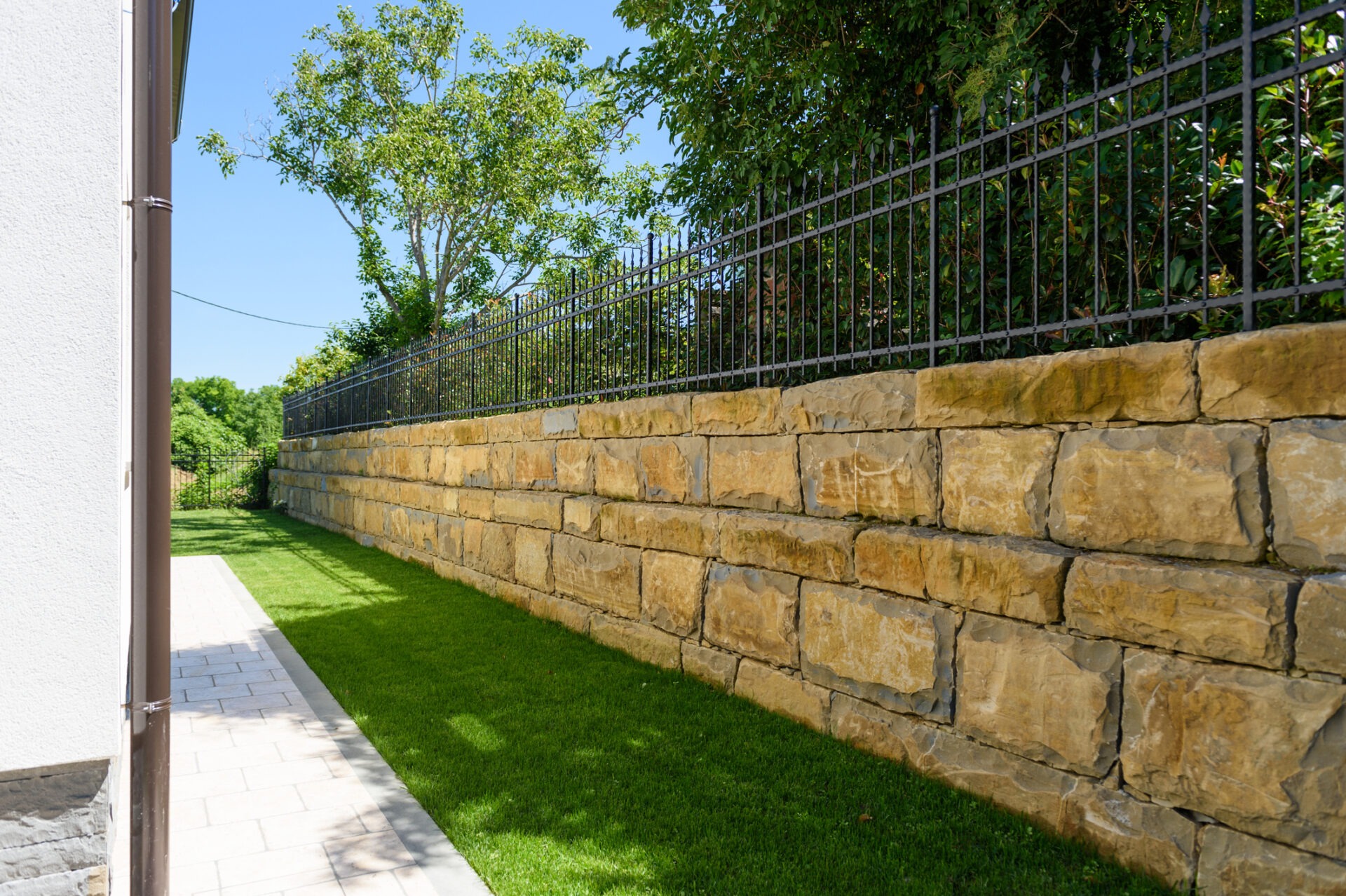
Proper installation and maintenance extend the life of your stonework.
Importance of Grading and Drainage
Grading and drainage are pivotal for preventing water damage. Proper grading slopes the land away from structures, reducing water pooling. Effective drainage systems channel water away from your stonework, preserving its integrity.
Ignoring this can result in erosion and structural issues. By prioritizing drainage, you protect your investment and maintain your stonework’s appearance.
Freeze-Thaw Durability Tips
Ontario’s weather demands materials that withstand freeze-thaw cycles. Choose stones known for durability in such climates. Techniques like proper sealing and jointing can enhance resilience.
Regular maintenance, like clearing debris, helps prevent damage. With the right choices, your stonework can endure seasonal changes without losing its charm.
Long-Term Care and Polymeric Sand Sealing
Long-term care involves regular cleaning and inspections. Polymeric sand sealing is a smart choice for locking pavers in place, preventing weed growth and erosion. It also helps to stabilize the surface, reducing maintenance needs.
Routine care keeps your stonework looking new and functioning well. By investing in maintenance, you ensure your space remains a standout feature of your property.
Frequently Asked Questions
What permits are needed for stonework in Ontario?
In Ontario, permits are required for most stonework projects, including patios and retaining walls. These permits ensure compliance with local building codes and safety standards.
What’s the difference between natural stone and concrete pavers?
Natural stone offers a unique, elegant appearance and is highly durable, while concrete pavers provide a cost-effective, versatile solution that is easier to install.
How do I maintain my stone patio during winter?
To maintain your stone patio during winter, clear snow regularly and avoid using harsh chemicals. Ensure proper drainage to prevent water accumulation that can freeze and expand.
Why is grading important in stonework installation?
Grading is crucial because it directs water away from your stonework, reducing erosion and preventing water damage. Proper grading enhances the longevity and appearance of your installation.
How often should polymeric sand be reapplied?
Polymeric sand should be reapplied every 1-2 years, or as needed, to maintain joint stability and prevent weed growth. Regular inspection will help determine the right timing for reapplication.
For more insights and expert advice, visit Buechel Stone’s blog and learn about stone masonry methods. Planning your project with the right knowledge ensures stunning results that stand the test of time. Whether you’re considering a new patio, walkway, or retaining wall, understanding these fundamentals will help your stonework shine for years to come.
Tags: