
Before You Build: 12 Clear Signs Your Property Needs Better Drainage (and What To Do Next)
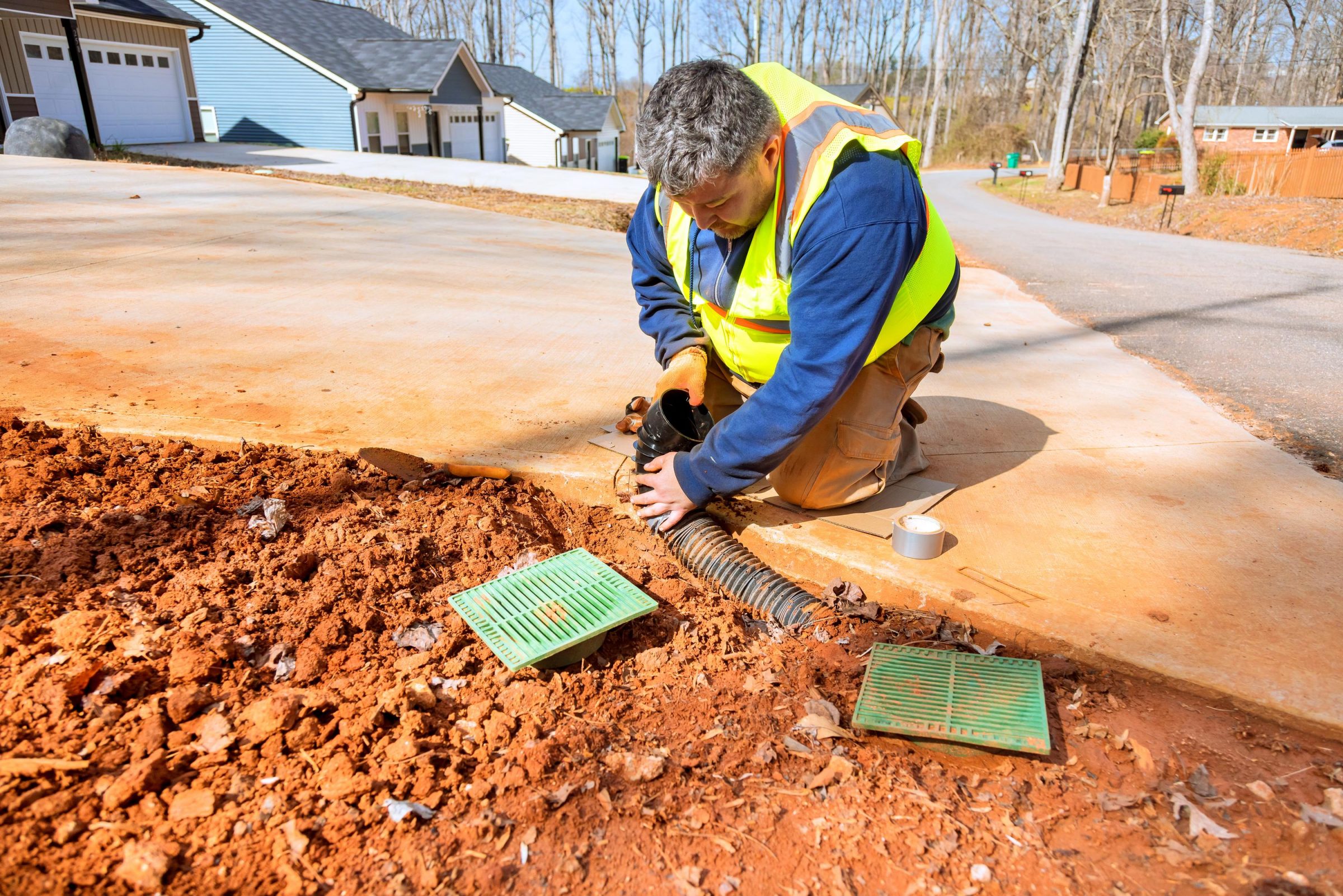
Poor drainage can turn your building plans into a costly mess. Water pooling in your yard or soggy lawn fix attempts that fail often point to deeper issues. Spotting these signs early lets you avoid expensive repairs and delays. Read on to learn the 12 clear signs your property needs better drainage in Kitchener-Waterloo—and what to do next. https://draindesigns.com/drainage-system-assessment/
Spotting Drainage Red Flags
Understanding drainage problems is key before starting any project. A soggy lawn, water pooling, or a damp basement may seem minor but can ruin plans. Recognizing these signs early helps you take the right steps.
Identifying Soggy Lawn Issues
Soggy lawns are more than just a nuisance. If your grass stays wet long after a rain, it’s often due to poor drainage Kitchener-Waterloo residents face. This can hinder plant growth and create a muddy mess. Here’s why it happens: the soil may be compacted or the lawn graded incorrectly, causing water to sit on top.
To fix this, consider aerating your lawn. This opens up the soil, allowing water to flow through. Also, ensure that the lawn slopes away from structures, preventing water from settling near foundations. Addressing these issues can save you from future headaches, like a damaged foundation or ruined landscaping.
Signs of Water Pooling in Yard
Water pooling is a major red flag. It indicates that water isn’t draining properly. You might notice this in low spots or near downspouts. Such pools can lead to mosquito breeding grounds and further yard damage.
One solution is to check your downspouts and ensure they extend away from the house. This prevents water from gathering near the foundation. Installing a drainage system, like a French drain, can also help redirect water. These steps tackle the root cause, reducing the risk of foundation damage.
Basement Moisture Indicators
A damp basement can mean costly repairs. Moisture here is often a sign that water is seeping in from outside. Look for wet walls, peeling paint, or musty odors. These are clear indicators that your drainage system isn’t working.
To combat this, it’s crucial to inspect your gutters and downspouts. Ensure they’re not clogged and direct water away from your house. Waterproofing your basement walls can provide an extra layer of protection. Address these issues sooner rather than later to avoid major structural damage.
Solutions for Better Drainage
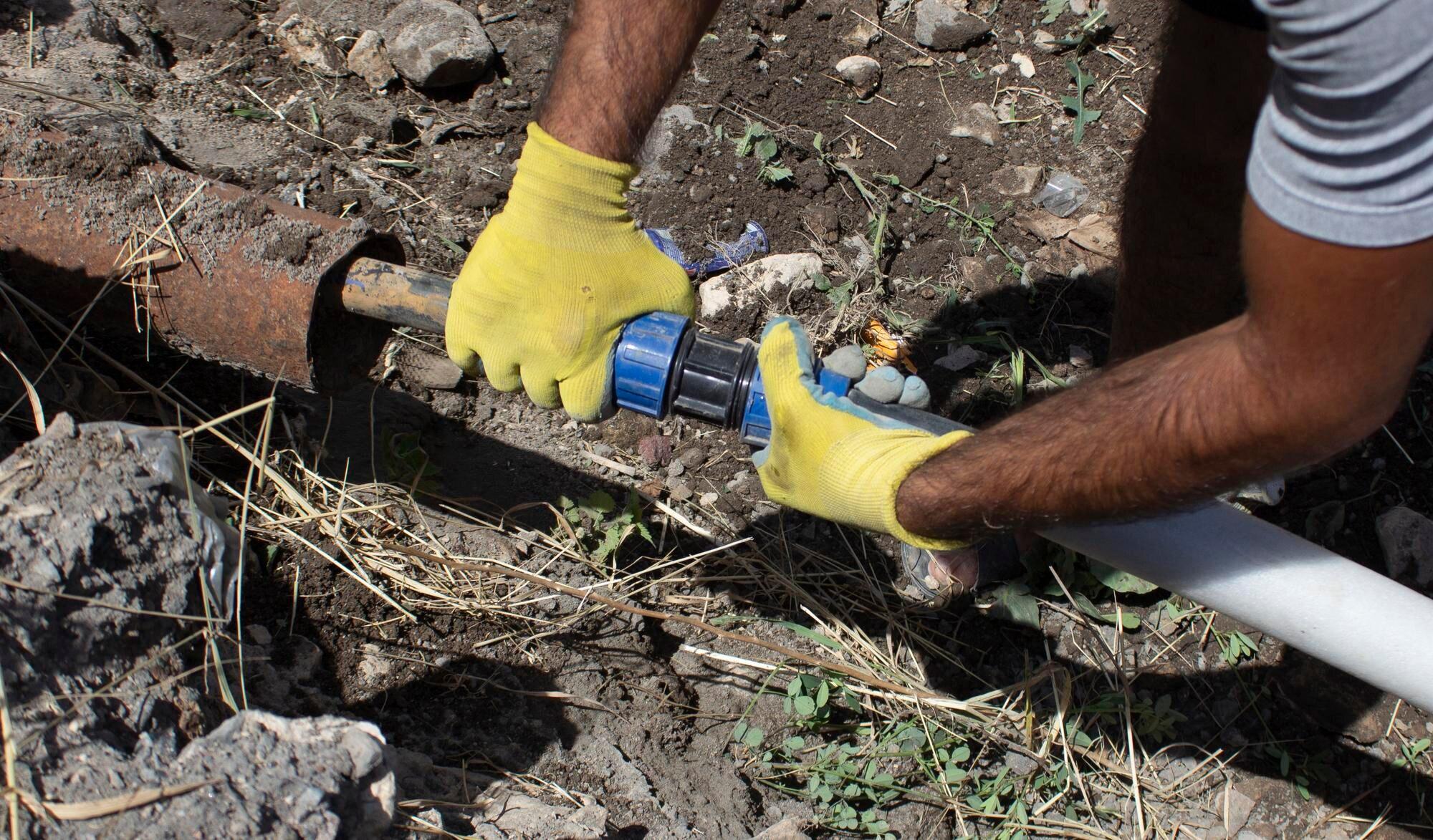
Improving drainage can prevent significant issues. From yard grading to installing swales, there are effective solutions to explore. These methods ensure water flows properly, protecting your property.
Effective Yard Grading KW
Proper yard grading ensures water moves away from your home. In KW, it’s essential to have a slight slope from the house. This prevents pooling and protects your foundation.
If you’re unsure about your yard’s slope, a professional assessment can help. They can recommend the best grading solution. Remember that even a small change can make a big difference in how water drains.
French Drain Installation Tips
A French drain is a reliable way to handle excess water. It consists of a trench filled with gravel and a perforated pipe that redirects water.
To install one, first identify where water pools. Dig a trench in that area, ensuring it slopes away from structures. Lay down the pipe and cover it with gravel. This system helps keep your yard dry and protects your home from water damage.
Swale Design and Benefits
Swales are shallow channels that guide water away naturally. They’re effective for large areas and can be visually pleasing.
Designing a swale involves creating a gentle slope that directs water. Planting grass or other vegetation along the swale can enhance its appearance and prevent erosion. Swales are a sustainable solution, promoting natural drainage while beautifying your landscape.
Planning for Construction

Before starting any construction project, consider drainage. Proper planning ensures your project stays on track and your property remains protected.
Pre-Construction Site Assessment
Assessing the site before construction is crucial. This step identifies potential drainage issues and helps plan accordingly.
A professional assessment evaluates the land’s slope, soil type, and existing drainage. This information is vital for creating a solid foundation and preventing future problems. Investing in this step can save you from costly repairs down the line.
Developing a Site Grading Plan
A site grading plan outlines how soil will be leveled and sloped. This plan is essential for managing drainage and ensuring stability.
Working with a professional ensures your grading plan suits your needs. They can recommend the best approaches for your site’s layout. With a clear plan, you can proceed confidently, knowing water will drain properly.
Implementing Pool Deck Drainage Solutions
Pool decks require specific drainage solutions to handle water efficiently. Without proper drainage, water can damage the deck or surrounding areas.
One option is a trench drain, which channels water away from the deck. Another is permeable pavers that allow water to seep through. These solutions keep your deck safe and functional, enhancing your outdoor space.
Frequently Asked Questions
How do I know if my lawn needs better drainage?
If your lawn remains soggy long after rain, it’s a sign of poor drainage. Check for standing water, as it indicates water isn’t flowing away. Consider professional lawn grading to address the issue.
What are the signs of poor drainage around the house?
Signs include water pooling near the foundation, a damp basement, and soil erosion. These issues can lead to structural damage if not addressed promptly.
How can I improve drainage in my yard?
Improving drainage can involve several strategies: aeration, installing French drains, and grading the yard properly. Consulting a professional can help tailor solutions to your specific needs.
Why is site assessment important before construction?
A site assessment identifies potential drainage issues, ensuring your project is built on a solid foundation. It helps prevent costly delays and repairs by addressing problems early.
What is a French drain and how does it work?
A French drain is a trench filled with gravel and a perforated pipe that redirects water away from problem areas. It’s an effective solution for handling excess water and preventing damage.
Tags: