
Before You Build: How to Spot Structural Needs on Your Property (Kitchener‑Waterloo Guide)
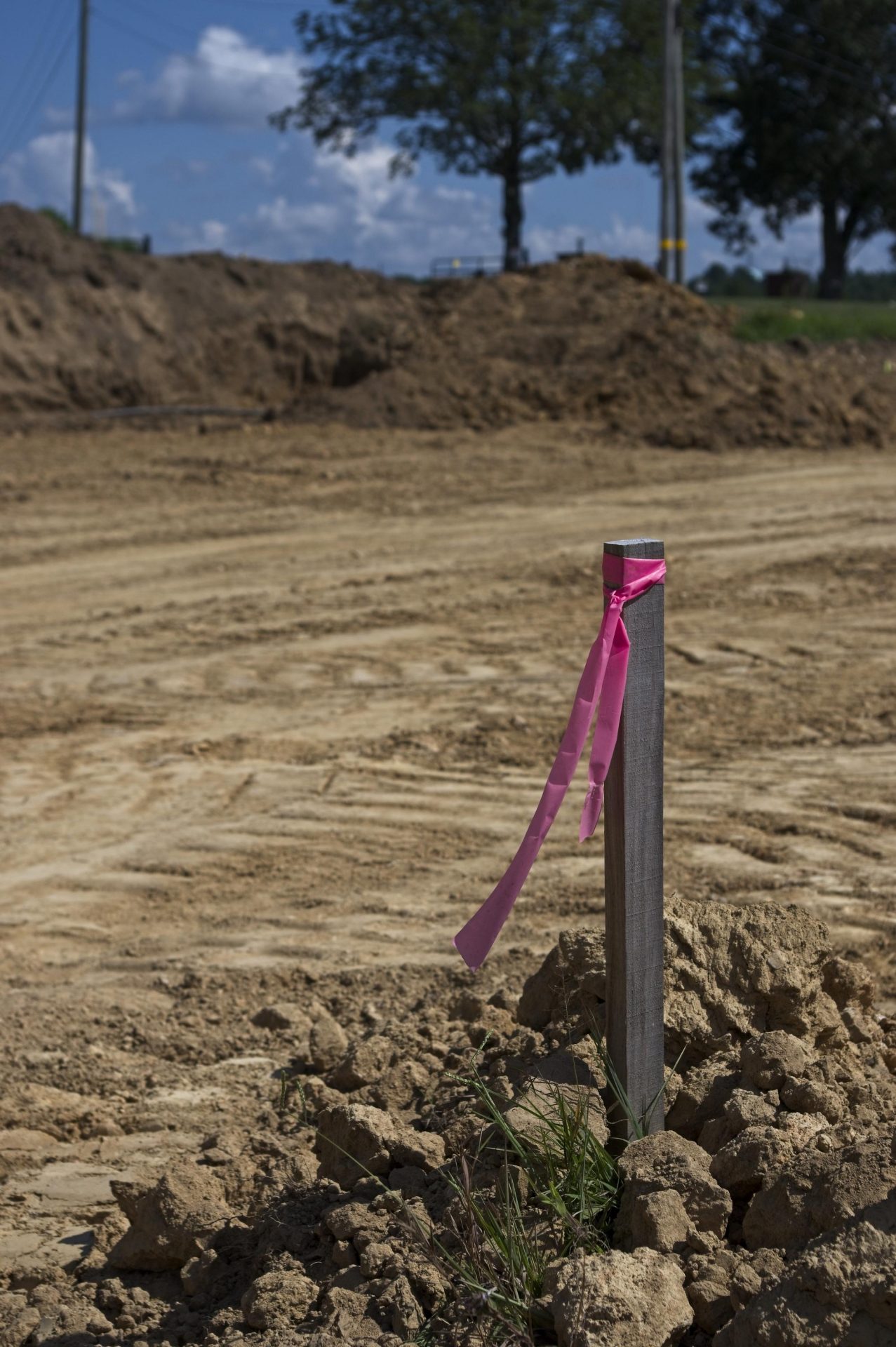
Most homeowners don’t realize how much hidden work goes into a solid build. Ignoring site grading, drainage, or soil problems can quickly turn your dream project into a costly headache. This guide helps you spot those structural needs early with a clear focus on structural assessment before building in Kitchener-Waterloo. Ready to build with confidence? Keep reading to learn what to look for before breaking ground.
Spotting Grading Issues
Grading issues can sneak up on you, turning your yard into an uneven mess. Recognizing these signs early saves you from headaches later. Here’s what you should watch for:
Uneven Ground Signs
Uneven ground can spell trouble. It might not seem like a big deal at first, but it can lead to serious problems. Look for areas where the ground feels uneven underfoot or where water tends to pool after a rain. These are signs that your property might need proper site grading before you start building.
If you notice patches of grass that are struggling to grow or parts of your lawn that seem to dip, take note. These areas might need attention before you can proceed with a build. A professional can assess whether grading adjustments are necessary to ensure a stable foundation for your project.
Slope and Drainage Concerns
Slopes can cause water to flow where it shouldn’t. This can erode soil and compromise the stability of structures. If your property has a noticeable slope, check where water drains during a storm. Water flowing toward your home or pooling in certain areas suggests you might need a drainage solution.
Consider the impact on future projects. For instance, poor drainage can weaken the ground under a new patio or deck. By addressing these issues early, you can prevent long-term damage and save money.
Identifying Drainage Problems
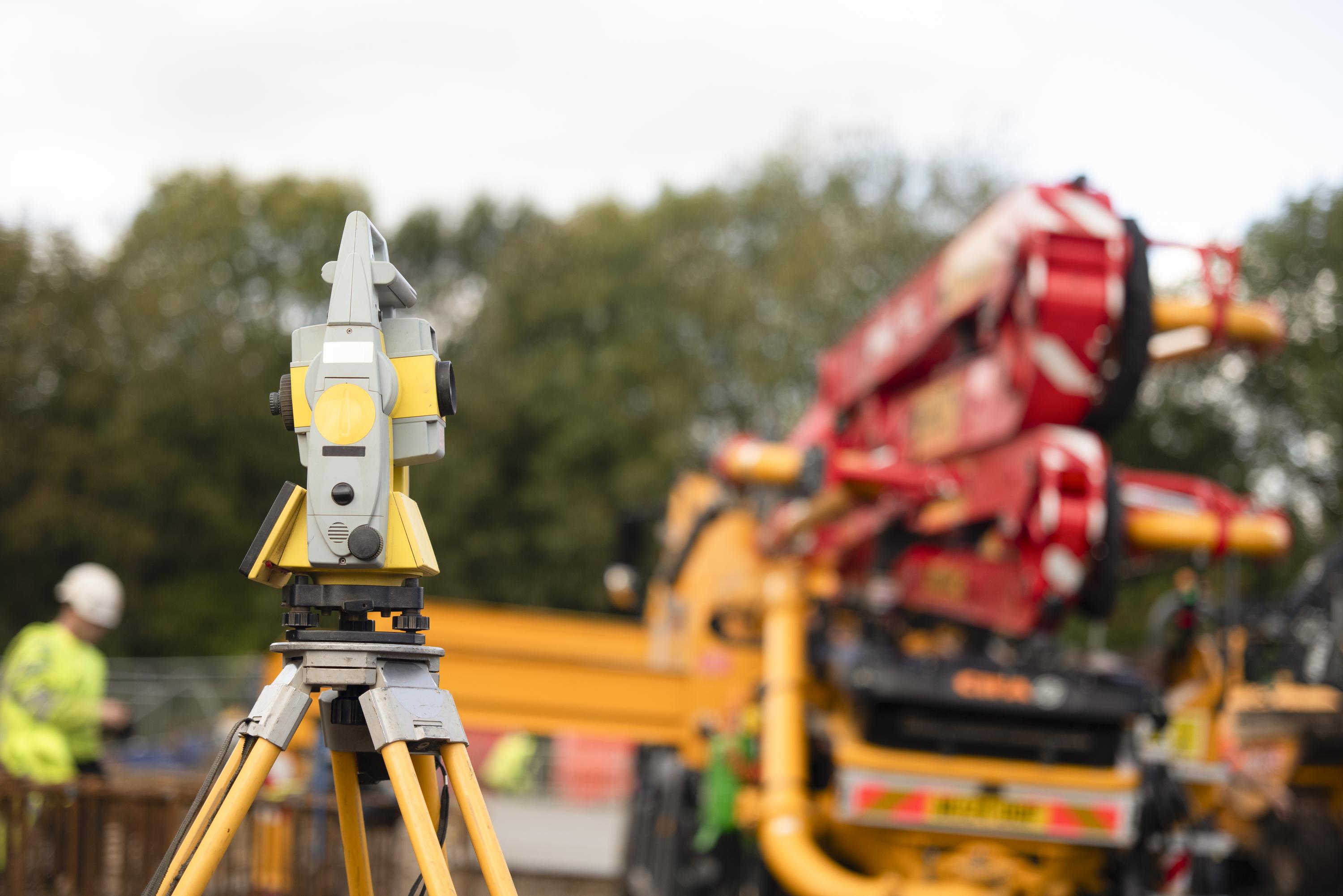
Ignoring drainage issues is a costly mistake. Your property should handle water effectively to avoid damage. Here’s how to spot the signs:
Water Pooling Indicators
Water pooling is a red flag. It indicates that your property isn’t draining properly. After a heavy rain, check your yard. If water lingers, you have a drainage problem. This can lead to structural issues by saturating the soil around foundations.
Standing water is more than just an eyesore. It can seep into foundations, causing cracks or other damage. By addressing pooling early, you protect your home and your investment in any outdoor projects.
Soil Erosion Signals
Erosion can sneak up on you, gradually wearing away soil and stability. If you see exposed roots or dirt washing away, it’s a sign of erosion. This weakens the ground and can affect structures like retaining walls or garden beds.
Healthy soil is crucial for a stable yard and any structures you plan to build. Tackling erosion head-on ensures that your property remains safe and ready for construction projects.
Recognizing Structural Support Needs
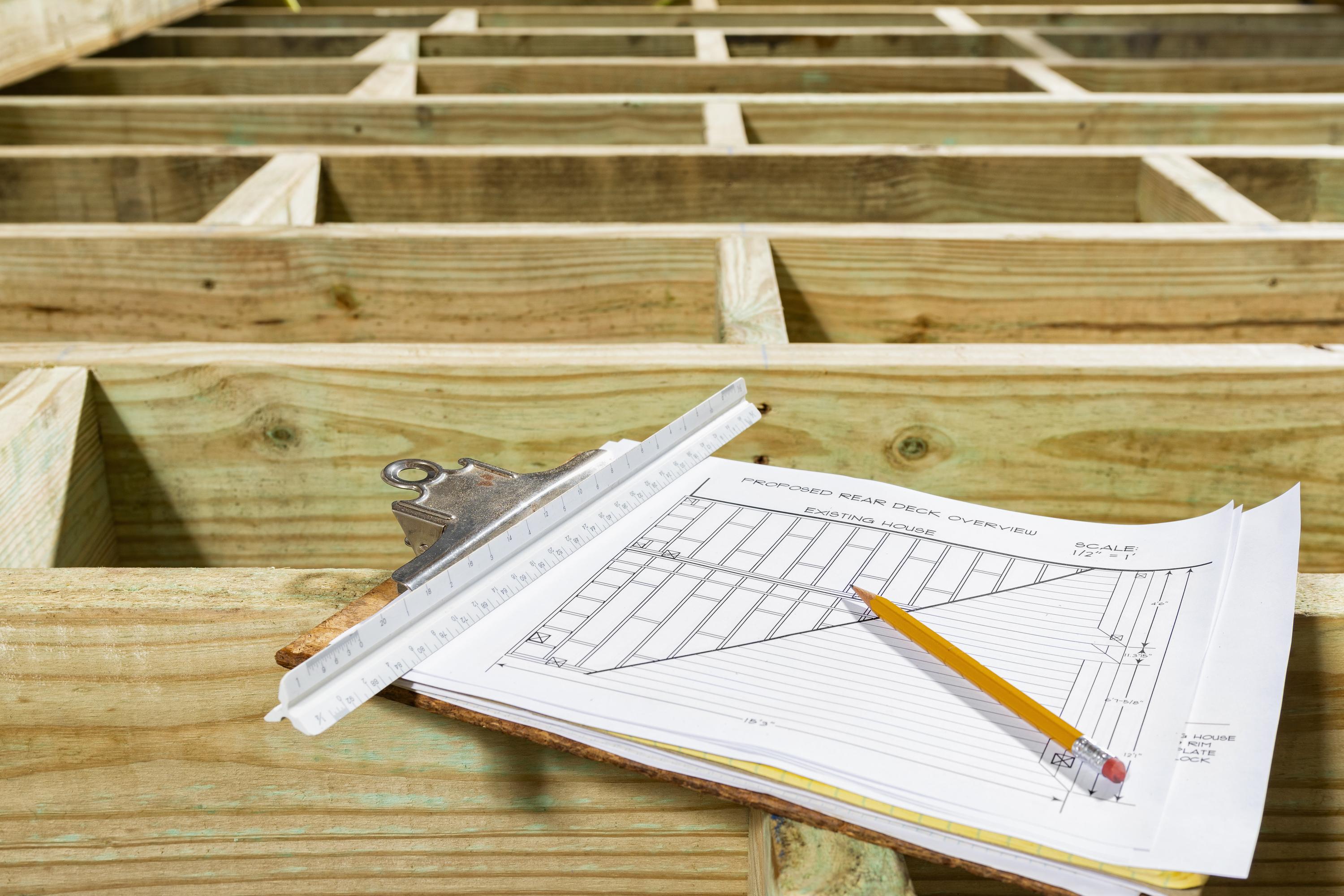
Structural support is vital for any build. Identifying needs early prevents costly fixes later. Here’s what to inspect:
Inspecting Retaining Walls
Retaining walls need to hold firm. Check for signs like leaning or bulging. These indicate structural stress. You can often spot these issues visually. If your retaining wall is not straight or shows cracks, it’s time for a professional evaluation.
A well-built wall keeps your property safe and looking great. Fixing issues early ensures longevity and stability. For more on retaining walls, check out this guide on structural assessments.
Assessing Deck and Patio Bases
Your deck or patio base is the foundation of your outdoor space. It must be solid. Check for signs of instability, like shifting pavers or cracks in concrete. These can indicate deeper structural problems.
A professional inspection can determine if the base needs reinforcement. A stable base ensures your outdoor area remains safe and enjoyable for years to come. For more insights, see this home structural inspection guide.
Frequently Asked Questions
What are common signs of grading problems?
Look for uneven ground, pooling water, and struggling vegetation. These are clear indicators that your property might need grading adjustments to ensure a stable foundation.
How can I tell if my drainage system is failing?
Watch for signs like water pooling after rain and soil erosion. These issues suggest your drainage system isn’t working effectively, which could lead to structural problems.
What should I check in retaining walls?
Inspect for leaning, bulging, or cracks. These are signs of structural stress and indicate the need for professional evaluation to prevent further damage.
By understanding these signs and taking action early, you can save time and money while ensuring your property is ready for any construction project.
Tags: