
How to Choose Materials That Hold Up in Ontario Weather

Ontario’s weather can wreck materials that aren’t built for its ups and downs. Choosing the right Ontario weather materials means your home stays strong through freeze-thaw cycles, salt exposure, and heavy rain. In this guide, you’ll get clear advice on what holds up best and why, so your next project lasts for years. Ready to build it right the first time? Book a free on-site consultation with Brandon Mason and get a custom 2D/3D design plan. Reserve your spot today.
Weather-Suitable Construction Materials
Ontario’s unpredictable climate demands smart material choices. Let’s explore the best options to ensure your projects withstand the test of time.
Freeze-Thaw Durability Essentials
Ontario’s freeze-thaw cycles can wreak havoc on materials not designed to handle such stress. Concrete and brick are top choices here. They can expand and contract without cracking. Always look for materials labeled as freeze-thaw resistant. This ensures they have been tested for such conditions. Pair these materials with proper drainage to prevent water accumulation that can freeze and expand. Remember, water is your construction’s enemy in freezing temperatures.
Choosing Salt-Resistant Pavers
Salt is a winter necessity but can damage surfaces. Opt for salt-resistant pavers to combat this. These pavers have a dense surface that prevents salt penetration. Look for CSA-approved materials to ensure quality. Using these can save you from frequent repairs. Plus, they look great and last longer. Don’t let salt ruin your beautiful outdoor spaces.
Air-Entrained Concrete Benefits
Air-entrained concrete is a game changer. Tiny air bubbles in the concrete mix allow space for water to expand when it freezes. This prevents cracking and spalling. It also enhances the concrete’s workability and strength. For anyone building in Ontario, using air-entrained concrete can be the difference between a lasting structure and one that needs constant repairs.
Outdoor Structure Material Options
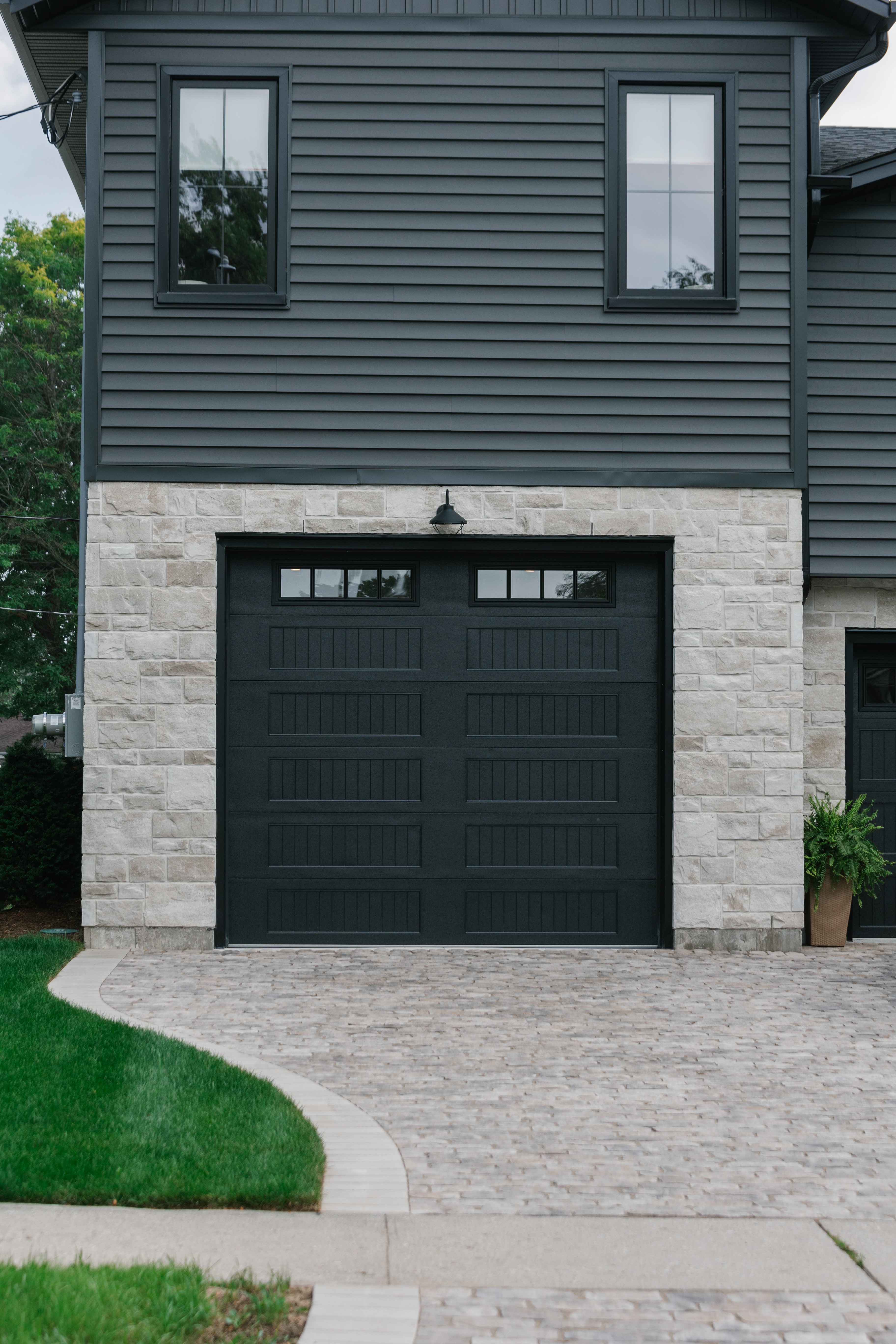
Building outdoors in Ontario requires materials that can handle diverse weather. Choosing the right materials can mean the difference between long-lasting beauty and constant maintenance.
Natural Stone vs. Concrete
Both natural stone and concrete have their merits. Natural stone offers a timeless, elegant look. It’s durable and can withstand harsh weather, but it can be pricey. Concrete, on the other hand, is more affordable and versatile. It’s easy to mold into different shapes and can be colored to match any design. Both options are excellent, but your choice depends on your budget and aesthetic preferences.
Composite Decking for Ontario
Composite decking is becoming popular for good reasons. It’s resistant to rot, insects, and warping, making it perfect for Ontario’s varied climate. Unlike wood, composite boards don’t splinter or crack. They offer a low-maintenance solution with a wood-like appearance. For those who love the look of wood but not the upkeep, composite decking is the ideal choice.
Pressure-Treated vs. Cedar Wood
When it comes to wood options, you might wonder whether to choose pressure-treated wood or cedar. Pressure-treated wood is treated with chemicals to resist rot and insects. It’s cost-effective and durable. Cedar, being naturally resistant to decay and bugs, offers a beautiful finish with its natural oils. It’s a bit more expensive but provides a natural look that can’t be beaten. Your choice here depends on your budget and desired aesthetic.
Roofing, Walls, and Surface Solutions
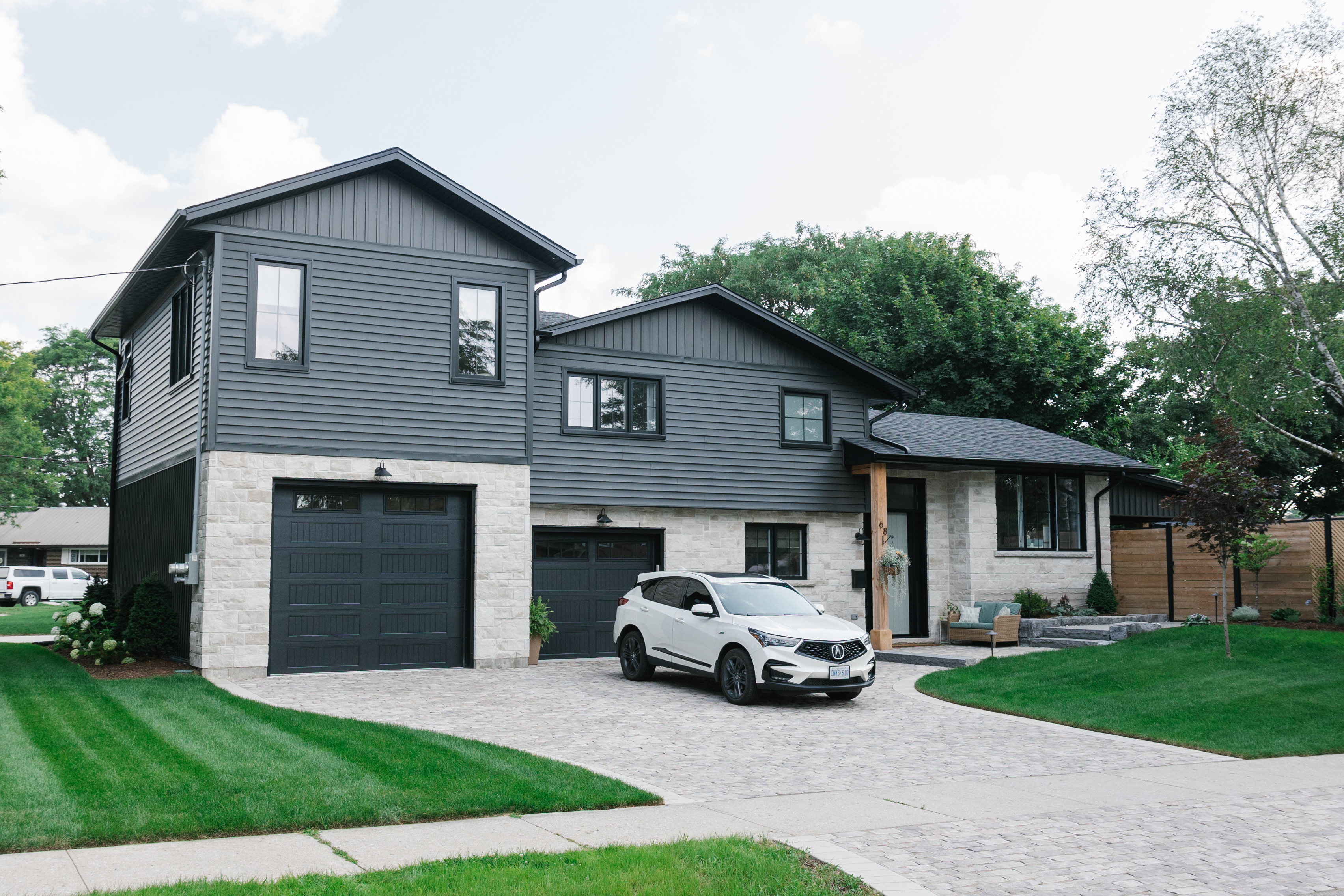
Now, let’s focus on protecting your home’s roof and walls, which are crucial to surviving Ontario’s climate.
Metal Roofing for Ontario Climate
Metal roofing stands strong against the elements. It’s durable, lightweight, and can shed snow and ice effectively. Metal roofs also reflect sunlight, which helps with energy costs. For those wanting a long-lasting and low-maintenance roofing solution, metal is a top contender. It might cost more upfront but will pay off in longevity and efficiency.
Retaining Wall Blocks Selection
Retaining walls not only add beauty but also prevent erosion. Choosing the right bricks or stones can make a huge difference. Concrete blocks are popular due to their strength and versatility. They come in various designs to suit any style. Ensuring proper drainage behind these walls is critical to prevent water build-up that can cause damage.
Drainage and Grading Strategies
Good drainage and grading are vital. Without them, water can cause erosion, foundation issues, and more. Polymeric sand can be used between pavers to prevent water penetration. Ensure the landscape slopes away from structures to direct water elsewhere. Effective drainage systems prevent costly repairs and maintain the integrity of your structures.
For more detailed guidance, check out resources like Weather-Resistant Materials for Outdoor Spaces and Choosing Materials to Stand Extreme Weather. They offer insights into making weather-smart choices that can save you time and money. 🌞🏡🔨
By considering these options, you’ll ensure your project withstands Ontario’s challenging weather. Remember, investing in quality materials and proper planning pays off in durability and peace of mind.
Tags: