
How to Choose Stonework That Holds Up in Ontario Weather
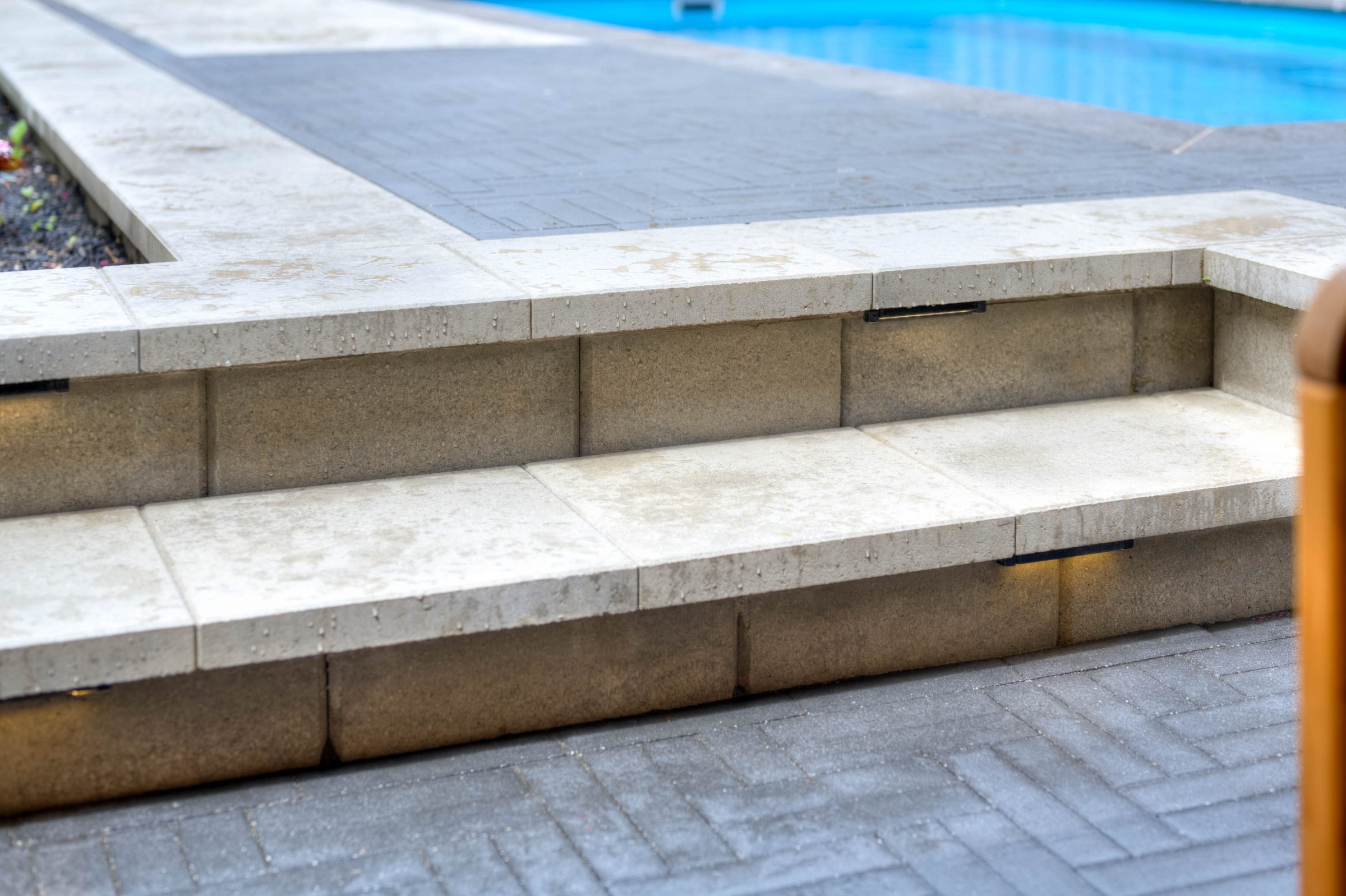
Ontario’s freeze thaw cycle can wreck stonework that isn’t built right. If you want durable patio pavers and retaining walls that last through harsh winters, you need to choose materials and installation methods made for our climate. In this post, you’ll learn the key steps to get stonework that stands up to Kitchener Waterloo landscaping challenges year after year. Learn more here.
Understanding Ontario Weather Stonework
Weather is a significant factor when it comes to choosing the right stonework for your outdoor spaces. In Ontario, the climate presents unique challenges that can impact the durability of your stone installations.
Freeze-Thaw Cycle Effects
The freeze-thaw cycle in Ontario can be brutal on stonework. When water enters the cracks of stone surfaces and freezes, it expands, causing the stone to crack or spall over time. This process repeats with each cycle, leading to significant damage if the stone isn’t properly chosen and installed. You can mitigate these effects by selecting stones that have a low absorption rate, meaning they don’t take in a lot of water. Proper sealing and maintenance are also crucial to protecting your stonework from the freeze-thaw cycle.
Salt Resistant Stone Options
The use of salt for de-icing is common but can be harsh on stone surfaces. Salt can lead to scaling and deterioration, especially in softer stones. To combat this, opt for salt-resistant stone options. Harder stones like granite or certain types of limestone are excellent choices for areas exposed to salt. These materials resist the corrosive effects of salt and maintain their integrity and appearance longer.
CSA Certified Pavers Benefits
Choosing CSA certified pavers ensures that your stonework meets Canadian standards for quality and durability. These standards include tests for freeze-thaw durability, ensuring the pavers can withstand the harsh conditions of Ontario’s winters. CSA certification gives you peace of mind, knowing your stonework is built to last, reducing the likelihood of costly repairs or replacements.
Choosing the Right Materials
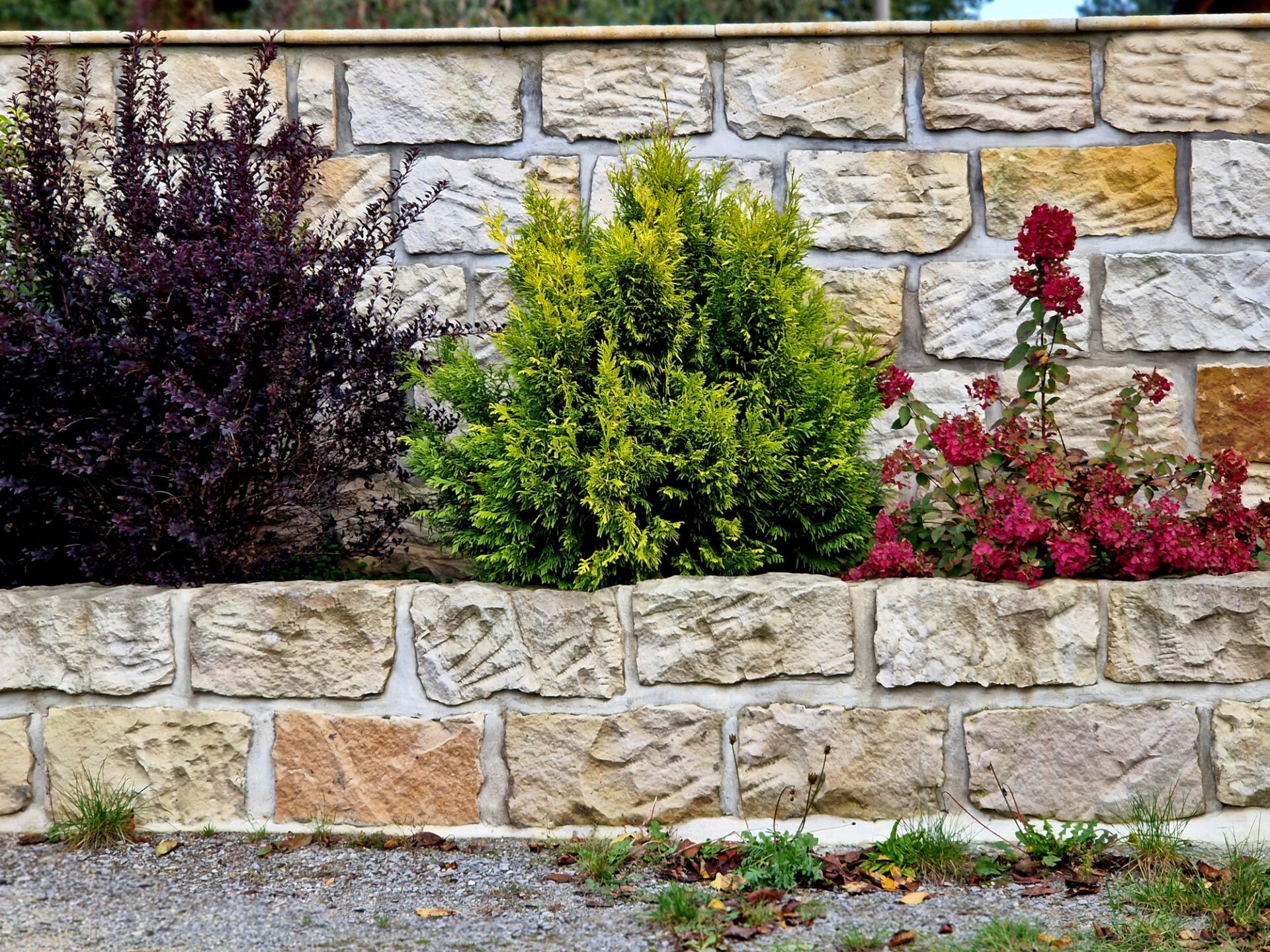
Selecting the right materials is key to ensuring your stonework stands the test of time, especially in Ontario’s challenging climate.
Natural Stone vs Concrete Pavers
When deciding between natural stone and concrete pavers, consider both aesthetics and practical benefits. Natural stone offers a timeless beauty and unique texture, but can be more expensive. Concrete pavers, on the other hand, are budget-friendly and come in a variety of styles and colors. They are also easier to install and replace. For a balance of durability and cost, many homeowners in Kitchener Waterloo opt for high-quality concrete pavers.
Durable Patio Pavers for Kitchener Waterloo
Your choice of patio pavers should prioritize durability. Opt for materials that can handle heavy foot traffic and resist weathering. Pavers made from dense materials, such as granite or high-density concrete, are suitable options. These materials withstand the wear and tear of outdoor use while maintaining their visual appeal.
Retaining Wall Blocks Selection
Choosing the right blocks for retaining walls is crucial, as these structures need to support significant weight and pressure. Look for blocks designed for stability and erosion control. Materials like interlocking concrete blocks or reinforced natural stone ensure that your retaining walls remain strong and effective in preventing soil erosion.
Installation Standards for Longevity
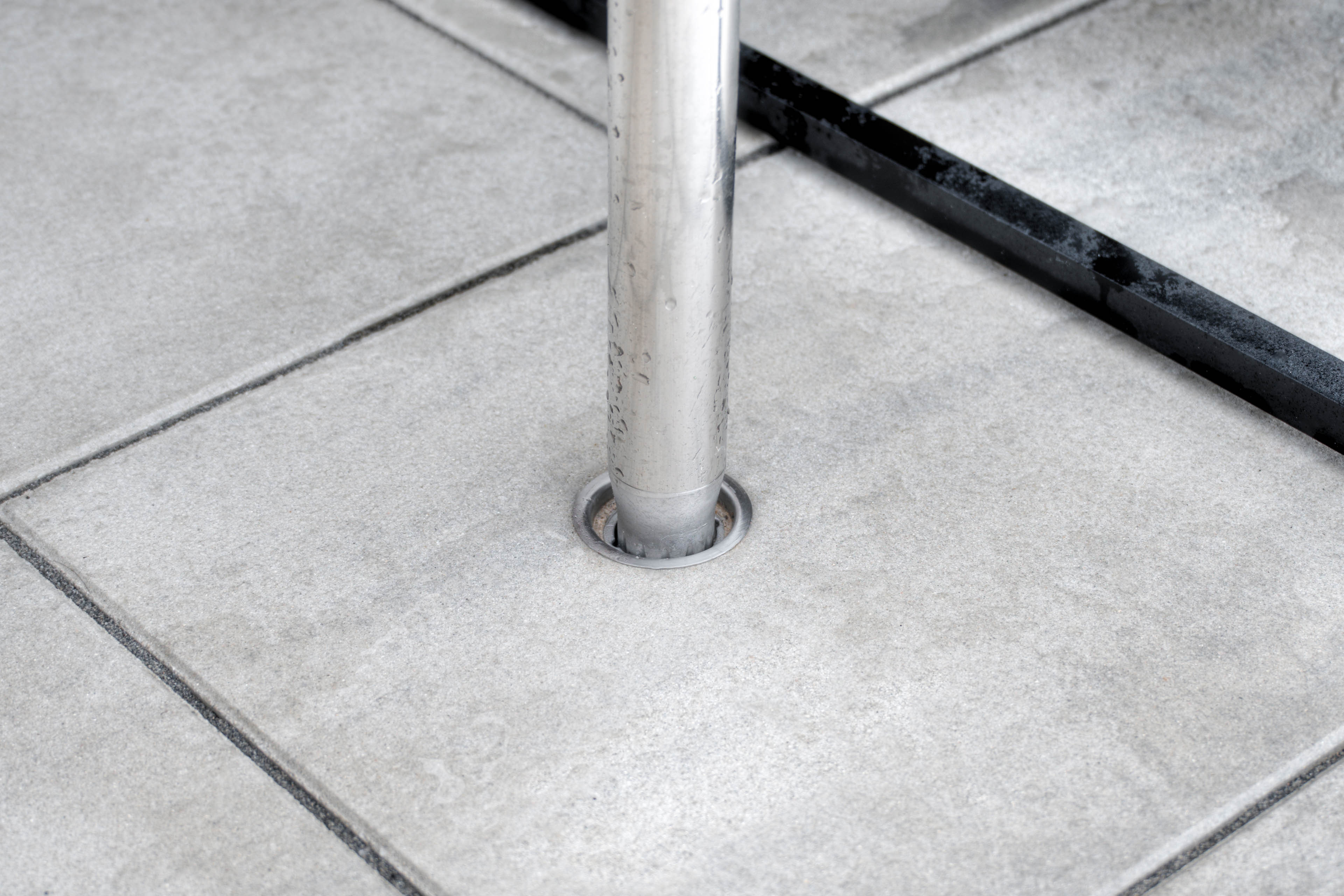
Proper installation is just as important as selecting the right materials. Following best practices ensures your stonework lasts.
Proper Base Preparation Techniques
A solid base is essential for any stonework project. The base supports the weight and prevents shifting over time. Start with a layer of compacted gravel, topped with a layer of sand. This foundation provides stability and facilitates drainage, preventing water from pooling and freezing beneath the stones.
Importance of Polymeric Sand Joints
Polymeric sand is used to fill the joints between pavers, and it plays a vital role in the longevity of your stonework. When activated with water, polymeric sand hardens, locking the pavers in place and preventing weed growth and ant infestations. It also helps in reducing erosion and maintaining the structural integrity of the installation.
Patio Drainage in Ontario Climate
Effective drainage is crucial in preventing water accumulation, which can damage your stonework. Ensure your patio has a slight slope to guide water away from the surface. Consider installing drainage systems like French drains or weep holes to manage water runoff. Proper drainage protects your investment by reducing the risk of freeze-thaw damage and prolonging the life of your patio.
Frequently Asked Questions
What stones are best for Ontario’s freeze-thaw cycle?
For Ontario’s harsh freeze-thaw cycles, choose stones with low water absorption rates like granite or dense limestone. These materials are less likely to crack and maintain their durability through extreme temperature changes.
How can I protect my stonework from salt damage?
To protect your stonework from salt damage, select salt-resistant stones such as granite or high-density concrete. These materials are more resistant to the corrosive effects of salt, especially in areas frequently treated with de-icing salts.
What is the benefit of using CSA certified pavers?
CSA certified pavers are tested for durability and freeze-thaw resistance, ensuring they meet high quality standards. Using certified pavers reduces the likelihood of damage and extends the lifespan of your stonework in harsh climates.
How important is base preparation for stonework installation?
Proper base preparation is crucial for the longevity of stonework. A well-prepared base prevents shifting and drainage issues, ensuring your stone installations remain stable and durable over time.
Why is polymeric sand used in paver joints?
Polymeric sand is used in paver joints for its ability to harden and lock pavers in place. It prevents weed growth, ant infestations, and erosion, maintaining the integrity and appearance of your stonework.
Tags: