
How to Choose the Right Stonework for a Durable Outdoor Space in Kitchener-Waterloo
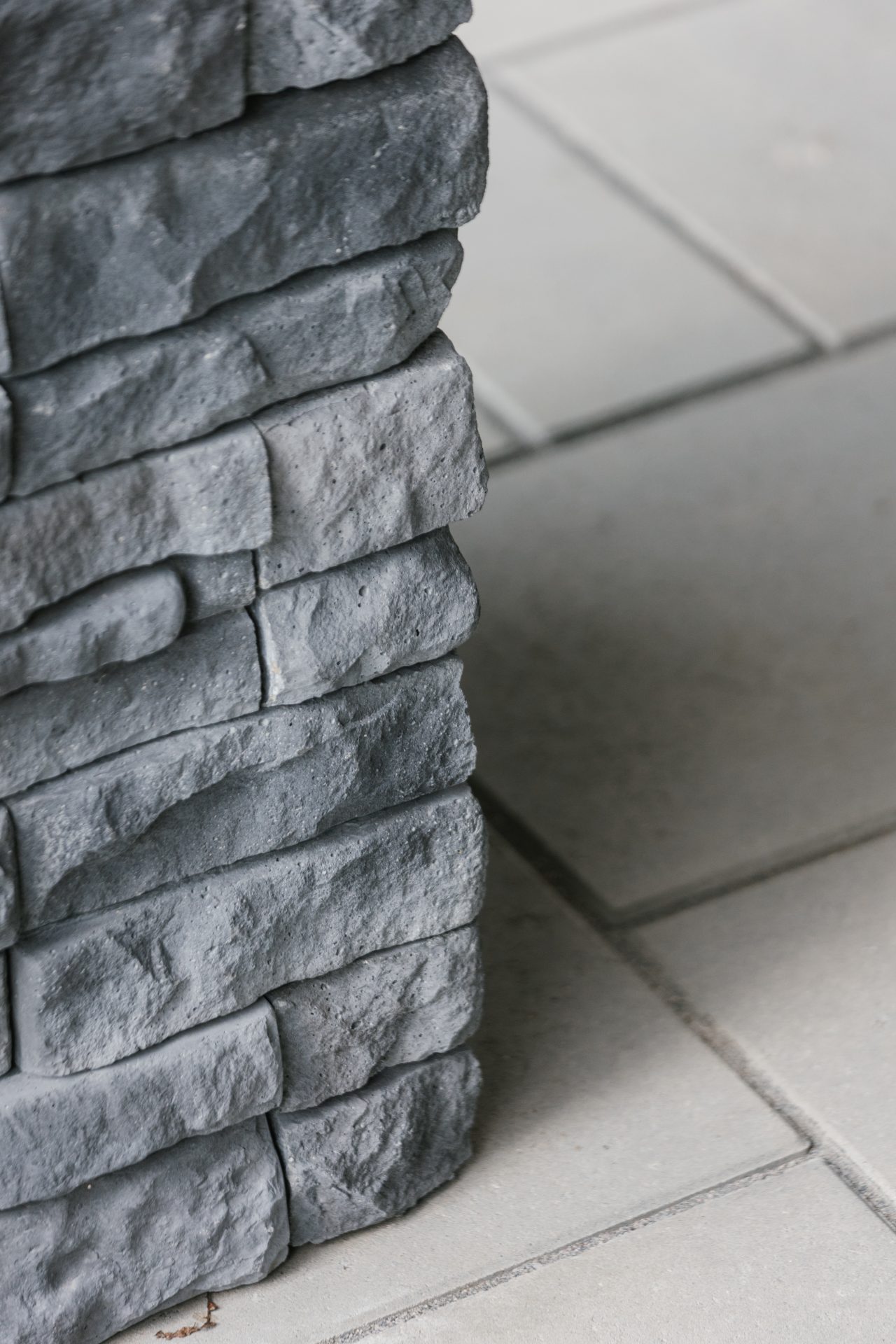
Choosing durable stonework in Kitchener-Waterloo isn’t just about looks—it’s about building something that stands up to our tough freeze-thaw cycles year after year. If you want a stone patio, steps, or retaining wall that won’t crack, shift, or lose its charm, the right materials and installation matter more than you think. Keep reading to learn how smart choices in stone and skilled craftsmanship can save you time, money, and headaches down the road. For more insights, check out this guide.
Choosing Durable Stonework Materials
Let’s start by exploring the materials that make your outdoor space both beautiful and long-lasting. The right choice depends on your needs and the specific challenges of our local climate.
Concrete Pavers vs. Natural Stone
Choosing between concrete pavers and natural stone can be a tough decision. Concrete pavers offer consistent shapes and colors, making them easy to install and replace. They’re generally more affordable and can mimic the look of natural stone while providing a durable surface for patios and walkways. On the other hand, natural stone offers unique textures and a timeless appearance that many homeowners love. Though it can be costlier, the distinct charm and durability of natural stone make it a popular choice for those seeking something special.
When opting for natural stone, consider how its natural variations in color and texture can enhance your outdoor space. If you prefer a uniform look, concrete pavers might be your best bet. Both options can withstand local weather conditions if installed properly.
Porcelain Pavers for Outdoor Use
Porcelain pavers are gaining popularity due to their sleek look and durability. These pavers are highly resistant to scratches, stains, and moisture, making them ideal for pool areas and patios. They offer a non-slip surface, which is essential for safety, especially in areas prone to rain or near pools. One of the key benefits of porcelain pavers is their ability to mimic natural stone or wood, offering various design options without the maintenance these materials might require.
Their low absorption rate makes them perfect for Kitchener-Waterloo’s freeze-thaw cycles, minimizing the risk of cracks. When choosing pavers, ensure they are specifically designed for outdoor use to withstand temperature fluctuations and heavy foot traffic.
Freeze-Thaw Durability Considerations
Our local climate can take a toll on outdoor stonework. The freeze-thaw cycle causes materials to expand and contract, potentially leading to cracks. To combat this, selecting materials with high freeze-thaw durability is crucial. Concrete pavers with a high compressive strength and natural stones like granite or sandstone are excellent choices. They resist cracking, even in harsh weather, ensuring your investment lasts. Sealants can also provide an extra layer of protection, reducing water absorption and preventing frost damage.
Installation Techniques for Longevity
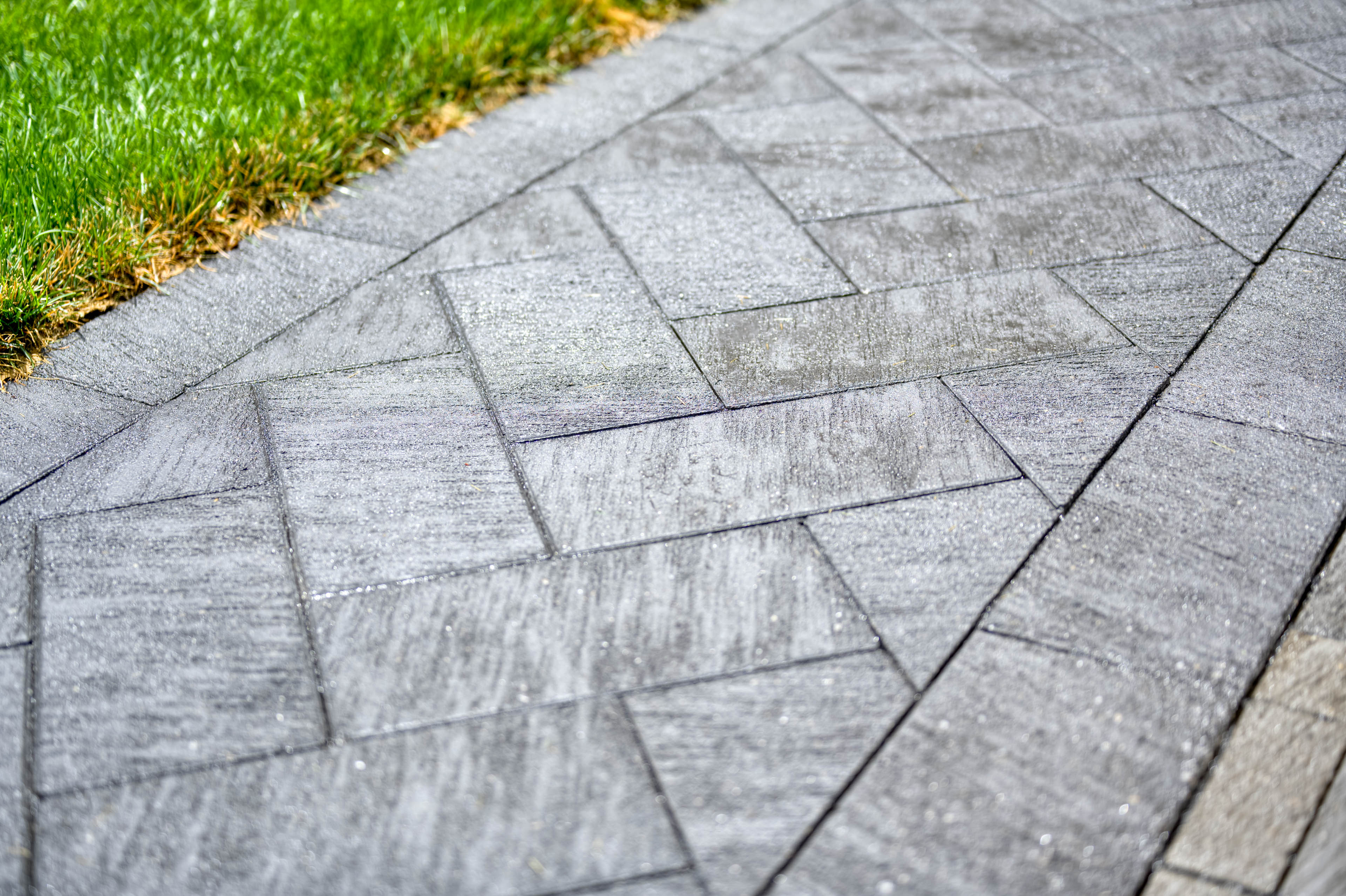
The way your stonework is installed significantly affects its lifespan. Let’s explore some techniques to ensure your project stands the test of time.
Base Preparation for Pavers
A solid foundation is key to preventing future issues. Proper base preparation involves excavating the area to the right depth, typically 6-8 inches, and filling it with a compacted gravel layer. This creates a stable base that prevents shifting and settling over time. The gravel base must be well-drained to manage water, which can weaken the structure if not properly addressed. A layer of bedding sand provides a smooth surface for the pavers, ensuring a level finish.
Importance of Polymeric Sand
Polymeric sand is a game-changer for stonework projects. This special sand hardens when wet, locking the pavers in place and preventing weeds and ants from invading. Filling the gaps between pavers, polymeric sand reduces the movement that can cause pavers to become uneven. It also enhances durability by stabilizing the paver surface, making it essential for long-lasting patios and walkways.
Proper Edge Restraint and Drainage
Edge restraints are crucial for keeping your pavers in place. They prevent the edges from shifting over time, maintaining the integrity of the installation. Plastic, metal, or concrete restraints are all effective options, depending on your design preference. Good drainage is equally important. Without it, water can compromise the base material, leading to instability. Installing drainage solutions like French drains or sloping systems directs water away, preserving your stonework’s longevity.
Designing Your Outdoor Space
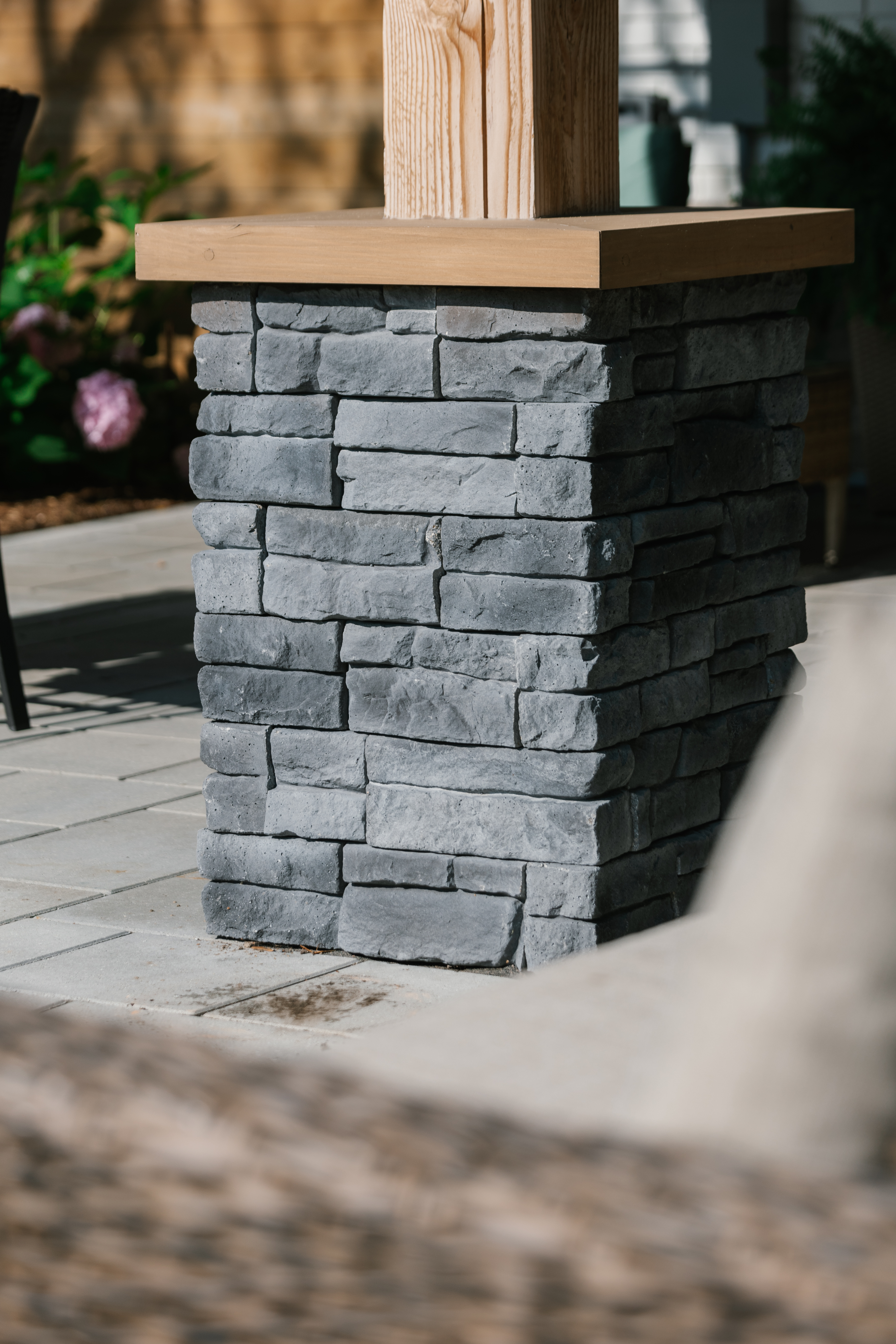
Design plays a critical role in the functionality and beauty of your space. Let’s explore how to create a welcoming and durable outdoor area.
Stone Patio and Steps Installation
Stone patios and steps not only enhance the look of your home but also add value. When planning, consider the flow of movement and the functional needs of your space. Steps should be evenly spaced and proportioned to ensure safety. Using materials that match or complement the patio creates a unified look. If you enjoy entertaining, a large patio area with adequate seating and dining space might be ideal.
Retaining Walls and Exterior Masonry
Retaining walls serve both practical and aesthetic functions. They prevent soil erosion and help manage sloped areas, making them essential for certain landscapes. Choosing the right materials, such as natural stone or concrete blocks, ensures the wall’s durability. Proper installation with attention to drainage is vital to prevent future issues. Exterior masonry can enhance curb appeal, making your home stand out while providing structural benefits.
Patio Design 3D Concepts and Ideas
Visualizing your project is easier with 3D design tools. These concepts allow you to see the end result before construction begins, ensuring the design meets your needs and expectations. Experiment with different layouts, materials, and colors to find the perfect combination. This approach not only provides clarity but also helps avoid costly changes during the construction phase.
Frequently Asked Questions
What is the best material for a patio in Kitchener-Waterloo?
Concrete pavers and natural stone are both excellent choices. Concrete pavers offer uniformity and ease of installation, while natural stone provides unique beauty and durability. Consider your budget and aesthetic preferences.
How can I ensure my stonework lasts through harsh weather?
Choose materials with high freeze-thaw durability, such as granite or sandstone, and use sealants to protect against moisture. Proper installation techniques, including base preparation and drainage solutions, are also critical.
Why is polymeric sand important for paver installations?
Polymeric sand stabilizes paver joints, preventing movement and weed growth. It enhances the durability of the installation by locking the pavers in place, reducing the risk of shifting and settling over time.
How do I prevent water damage to my outdoor stonework?
Ensure proper drainage systems are in place, such as French drains or sloping designs, to direct water away from the stonework. This prevents water from compromising the base material, preserving the structure’s integrity.
Can I see what my outdoor project will look like before construction?
Yes, using 3D design tools allows you to visualize your project, experiment with different layouts, and make informed decisions before construction begins. This process helps ensure the design meets your expectations and avoids costly changes.
Tags: