
How to Design an Outdoor Space That Works in Every Season in Kitchener-Waterloo
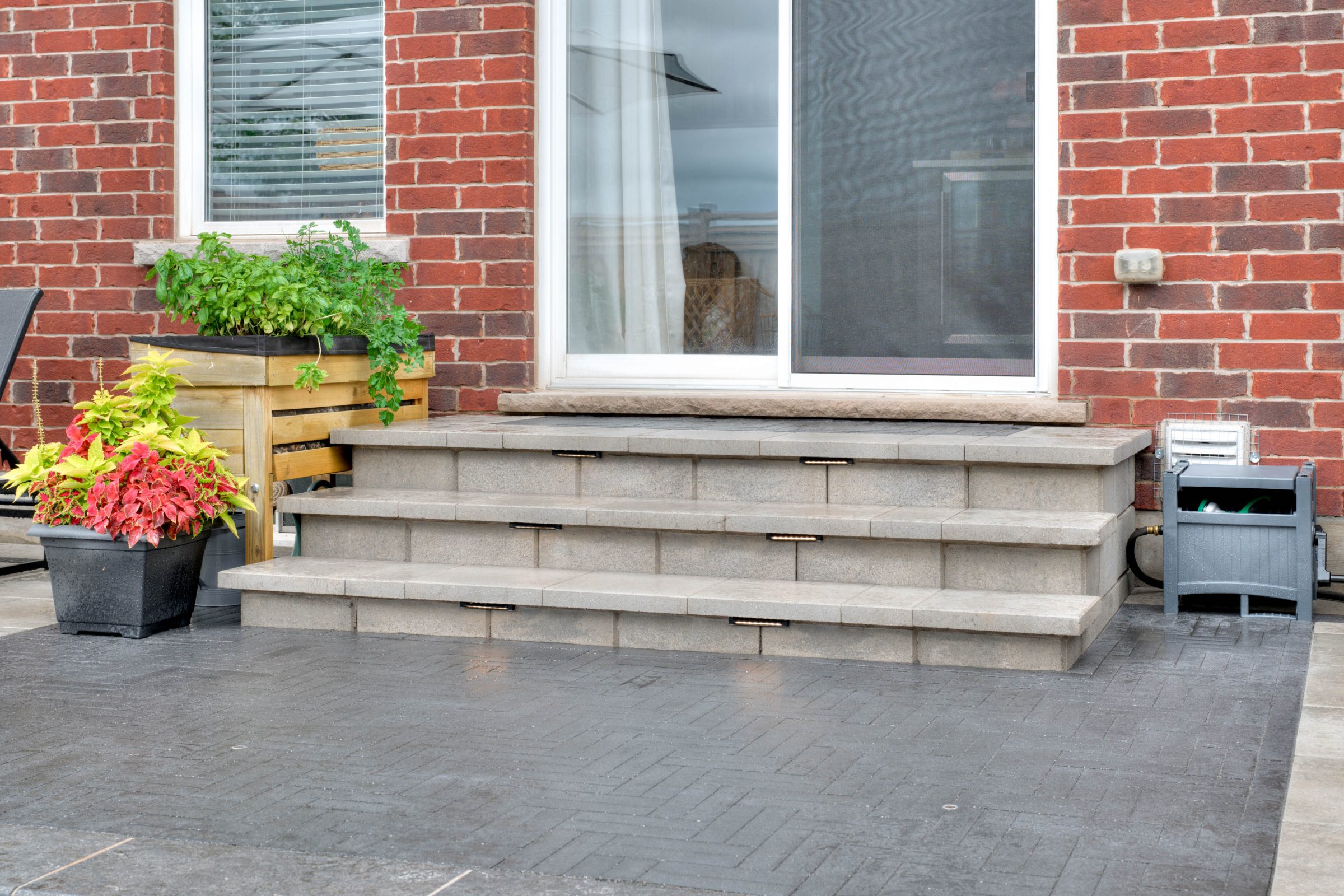
You might think your outdoor space is only good for summer barbecues or warm weekends. Too often, homeowners in Kitchener-Waterloo find their yards unused once the leaves fall or snow arrives. Designing an all-season outdoor space means creating a backyard you can enjoy every month of the year, no matter the weather. This guide will show you how to plan a four-season backyard design that fits your lifestyle and stands up to Ontario’s changing climate. This guide will show you how to plan a four-season backyard design that fits your lifestyle and stands up to Ontario’s changing climate. For more inspiration, check out these ideas for designing a year-round yard.
Designing for All Seasons
When creating an inviting outdoor space that you can use all year, start by focusing on the features that work well no matter the season. You’ll be surprised by what a few strategic choices can do.
Year-Round Features to Consider
A successful all-season outdoor area relies on features that provide comfort and usability throughout the year. Consider investing in weather-resistant furniture that can withstand sun, rain, and snow. Look for options like teak or powder-coated metal, which hold up well over time. Adding an outdoor heater or fire pit can also extend the use of your space into cooler months, providing warmth and ambiance. Don’t forget greenery: evergreen plants and potted shrubs keep your yard looking vibrant even in the depths of winter.
Lighting is another crucial element. Proper lighting can transform your space and make it functional after dark. Consider options like string lights or low-voltage landscape lighting to highlight pathways and create a cozy atmosphere. Remember to integrate lighting features that are both beautiful and practical. When you consider these elements together, your space can easily transition from summer to winter without losing its charm.
Planning for Seasonal Changes
Planning for seasonal changes ensures your outdoor space remains functional and appealing regardless of weather conditions. Think ahead about how you might adjust your setup as the seasons shift. For example, install retractable awnings or pergolas with removable covers that provide shade in summer and can be stored away in winter. This flexibility allows you to adapt your space to the weather, keeping it comfortable throughout the year.
When designing hardscaping elements, such as patios or walkways, choose materials## Designing for All Seasons
An outdoor space you love to use should feel just as inviting in January as it does in June. Designing with all seasons in mind keeps your backyard functional and pleasing year-round. Here’s how you can achieve that.
Year-Round Features to Consider
Start by incorporating elements that provide comfort and usability throughout the year. Think of adding a patio with a cover for shelter, and lighting for those long winter nights. Fire pits offer warmth and a cozy gathering spot in chilly months. Additionally, choose plants that thrive in different seasons to maintain a vibrant look. This approach ensures your outdoor area is always welcoming, regardless of the weather.
Planning for Seasonal Changes
Consider how your backyard will evolve with each season. Ensure pathways remain accessible and safe, even in snow or rain, by using materials that offer good traction. Opt for a mix of evergreen and deciduous plants to enjoy greenery and seasonal color change. This planning guarantees an outdoor space that adapts beautifully as the seasons transition.
Key Elements of Four-Season Design
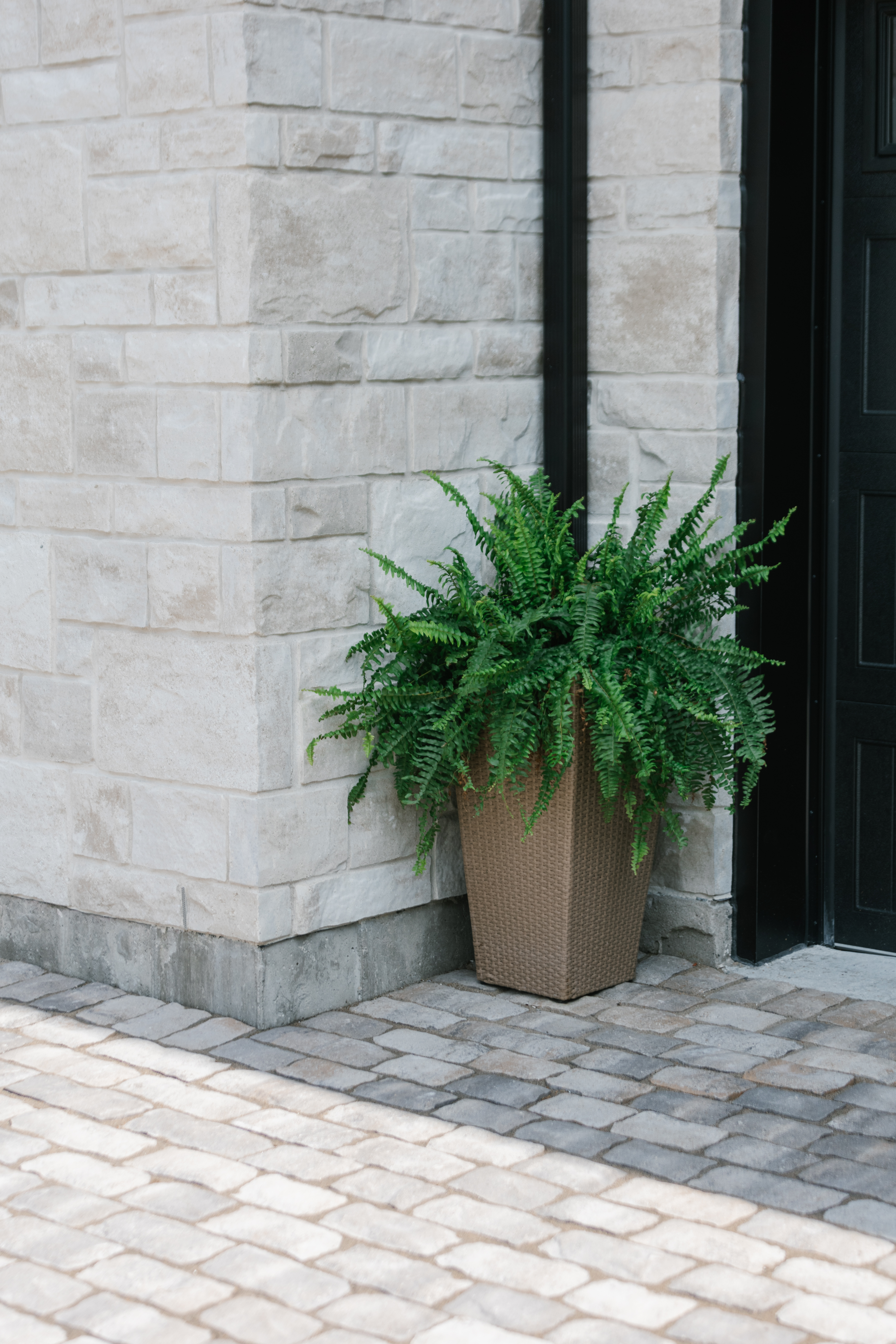
To create an inviting outdoor area year-round, consider several key features. Each one enhances usability and enjoyment, turning your backyard into a beloved extension of your home.
Custom Stone Patios and Walkways
A well-crafted stone patio provides a durable, attractive foundation for outdoor activities in any season. Stone walkways guide you through your backyard safely, preventing muddy or slippery paths. Choose materials like granite or flagstone for their durability. They not only withstand harsh weather but also add timeless beauty. Stone elements can be complemented with proper lighting to ensure safety and visibility, making your space both functional and stylish.
Pergolas and Roof Extensions
Adding a pergola or roof extension gives you a versatile space sheltered from sun and rain. These structures create shaded seating areas perfect for relaxing or entertaining. In winter, they offer protection from the elements, allowing you to enjoy the fresh air without exposure. Enhance them with climbing plants or lighting for a cozy atmosphere. This investment increases the usability of your backyard, providing a comfortable retreat throughout the year.
Outdoor Kitchens and Fire Features
Cooking outside isn’t just a summer activity. An outdoor kitchen lets you grill and dine even in cooler months. Integrating a fire feature, like a fire pit or fireplace, offers warmth and ambiance, making your outdoor space inviting year-round. Position seating around these features to encourage gatherings, fostering a sense of community and enjoyment regardless of the temperature. With these additions, your backyard becomes a hub for family and friends, no matter the season.
Expert Tips for Your Outdoor Space
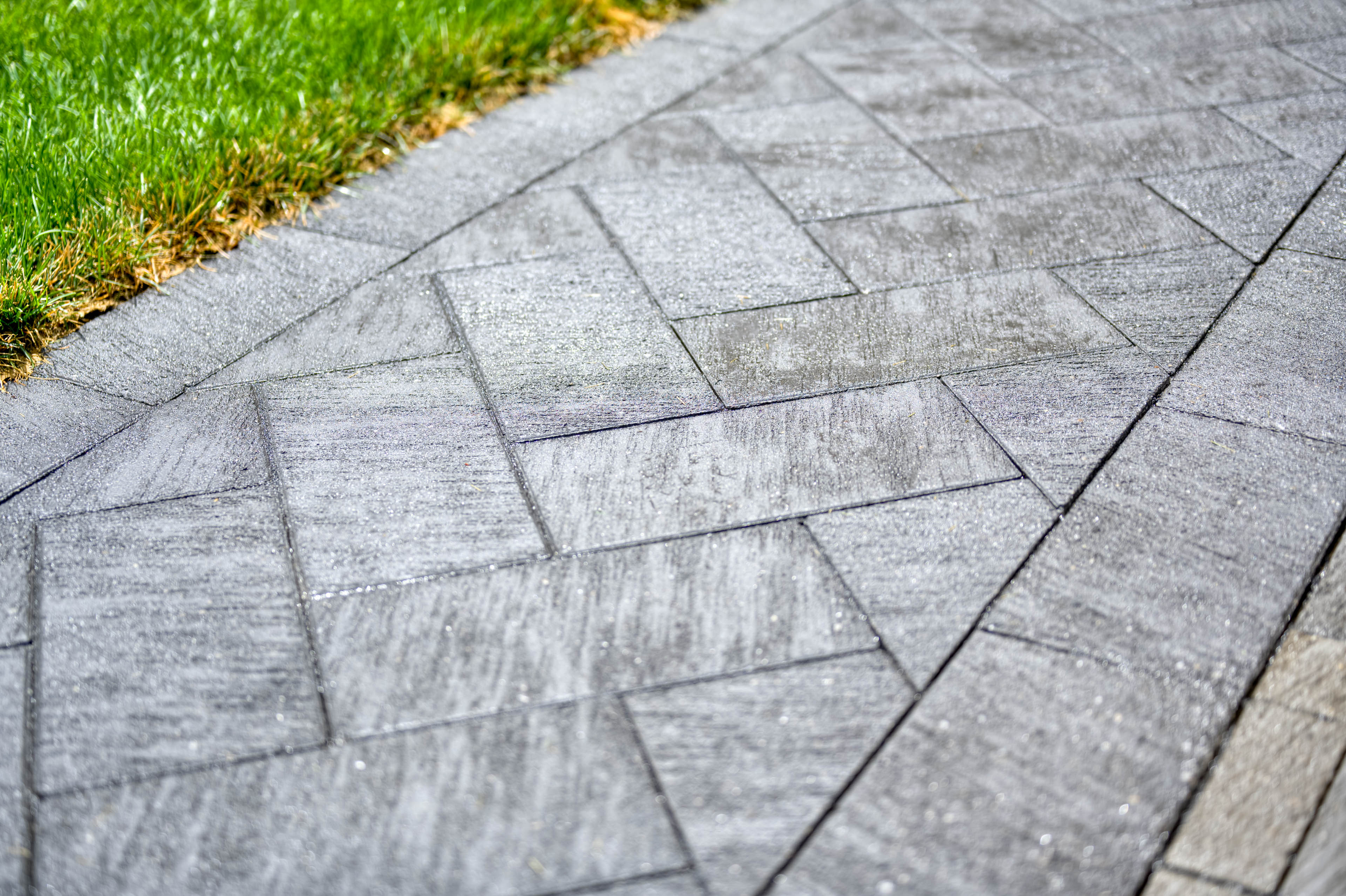
Crafting a space that thrives in every season requires thoughtful choices and expert insight. Here are some tips to guide your design process.
Choosing Winter-Ready Materials
Durability is key when selecting materials for your outdoor space. Opt for weather-resistant options that withstand freezing temperatures. Hardwoods, treated to resist moisture, make excellent choices for decks and furniture. For patios, non-slip surfaces like textured stone or concrete ensure safety during icy conditions. Choosing the right materials not only extends the life of your outdoor features but also minimizes maintenance, saving you time and effort.
Importance of Drainage and Grading
Proper drainage prevents water from pooling, which can lead to damage and unusable spaces. Ensure your yard has the right grading to direct water away from structures. Adding drainage systems like French drains or swales helps manage runoff effectively. This consideration protects your investment and keeps your space functional, even during heavy rain or snowmelt. For more detailed insights, explore Swift Creek Homes’ outdoor living space ideas.
Benefits of 3D Landscape Design
Visualizing your backyard transformation is easier with 3D landscape design. It helps you see the layout and flow before construction begins, allowing for adjustments to meet your needs. This tool provides a clearer understanding of how elements like patios, gardens, and pathways interact. By using 3D design, you ensure your outdoor space aligns with your vision and functions well in every season. This approach simplifies planning and execution, leading to a space that feels just right for you.
Frequently Asked Questions
What are the best plants for a year-round outdoor space?
Choose a mix of evergreen shrubs and seasonal flowers for continuous color. Evergreens like boxwoods provide structure, while perennials such as tulips and chrysanthemums add seasonal blooms.
How do you maintain an outdoor kitchen in winter?
Protect appliances with covers and shut off the gas supply if not in use. Clean surfaces regularly to prevent build-up from snow and ice. These steps keep your kitchen ready for use when warmer days return.
What features can improve winter safety in my backyard?
Install non-slip surfaces on walkways and steps to prevent falls. Use strategically placed lighting to enhance visibility during darker months, making your outdoor area safer and more accessible.
How can I keep my outdoor space comfortable in cold weather?
Add heat sources like fire pits or patio heaters to create warmth. Incorporate windbreaks, such as hedges or screens, to shield areas from chilly breezes, enhancing comfort during colder months.
How do 3D landscape designs help in planning outdoor spaces?
They provide a realistic view of proposed changes, allowing you to visualize layouts and make informed decisions. This clarity ensures the final result matches your expectations, optimizing both function and aesthetics.
Tags: