
Read This Before You Add Custom Carpentry to Your Outdoor Space in Kitchener-Waterloo
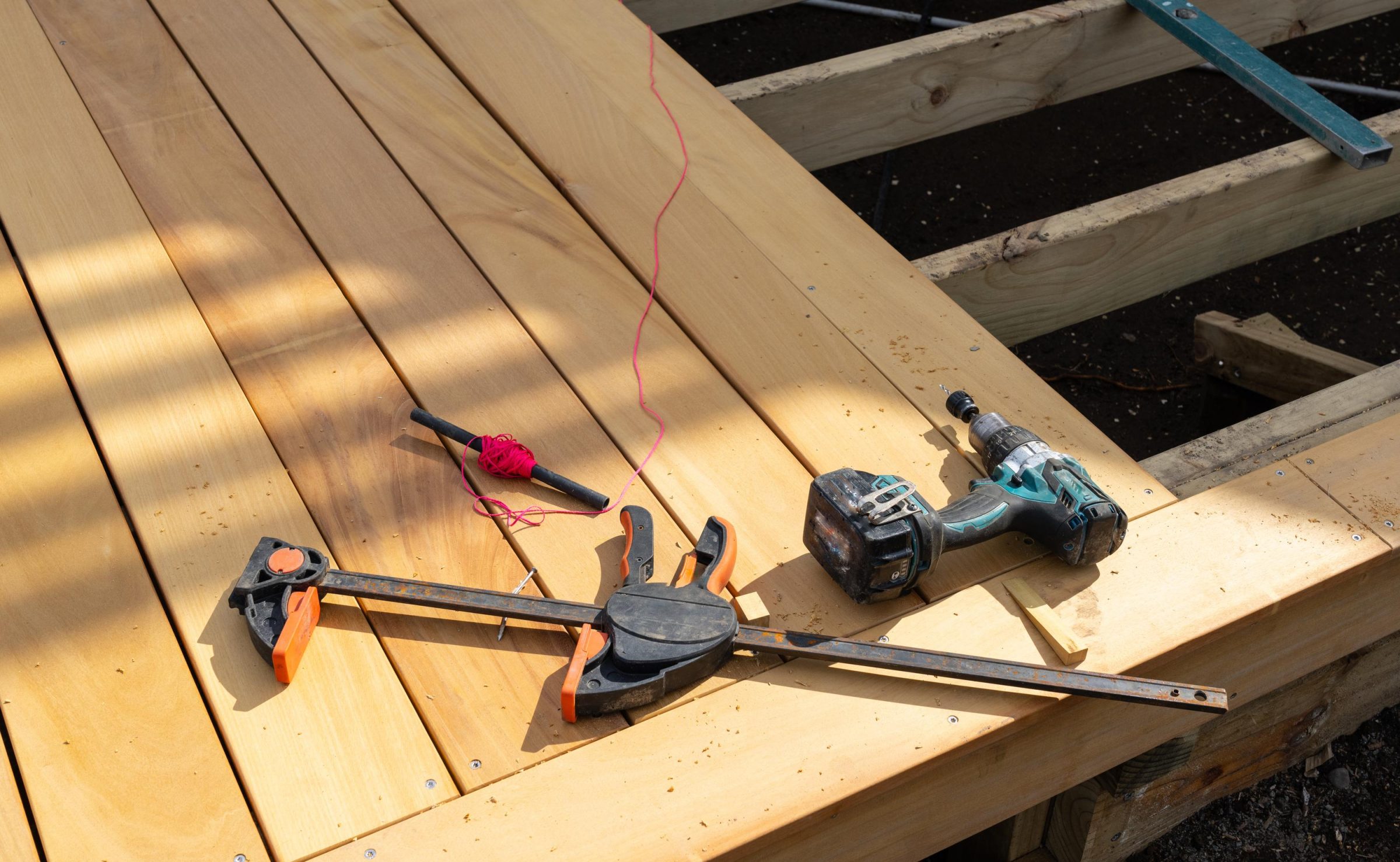
Custom carpentry in Kitchener-Waterloo isn’t just about adding wood to your yard—it’s about creating a space that fits your lifestyle and stands up to Ontario’s weather. Too often, homeowners face delays, permit headaches, and unclear budgets that turn a dream project into a stress-filled ordeal. Before you start, you need to know how to choose the right materials, handle frost footings, and plan for maintenance. Keep reading to get practical tips that make your outdoor project smooth and lasting. For more insights, check out this article.
Planning Your Custom Carpentry Project
Let’s dive into the essentials of planning your custom carpentry project. Knowing what lies ahead helps you avoid common pitfalls and ensures a smoother process.
Choosing the Right Materials
Selecting materials is the first crucial step. You’ll want wood that can withstand the local weather. Cedar and pressure-treated wood are popular choices. Cedar offers natural beauty and resists decay, though it may cost more initially. Pressure-treated wood is a cost-effective option and lasts long if maintained well. Choose materials based on your budget and desired aesthetic. Learn more about material considerations here.
Understanding Local Permits and Regulations
Navigating local permits can feel daunting, but it’s a vital part of the process. Each municipality has specific requirements. In Kitchener-Waterloo, permits are generally needed for structures like decks and pergolas. Neglecting this step could mean fines or having to dismantle your build. Contact your local building department early to know what paperwork is needed.
Designing for Your Outdoor Space
Designing your outdoor space involves more than just picking a style. Consider how you’ll use the space. Do you need shade, privacy, or a cozy area for gatherings? Think about the flow and how different elements complement each other. A thoughtful design not only looks good but enhances your lifestyle.
Construction Essentials to Consider
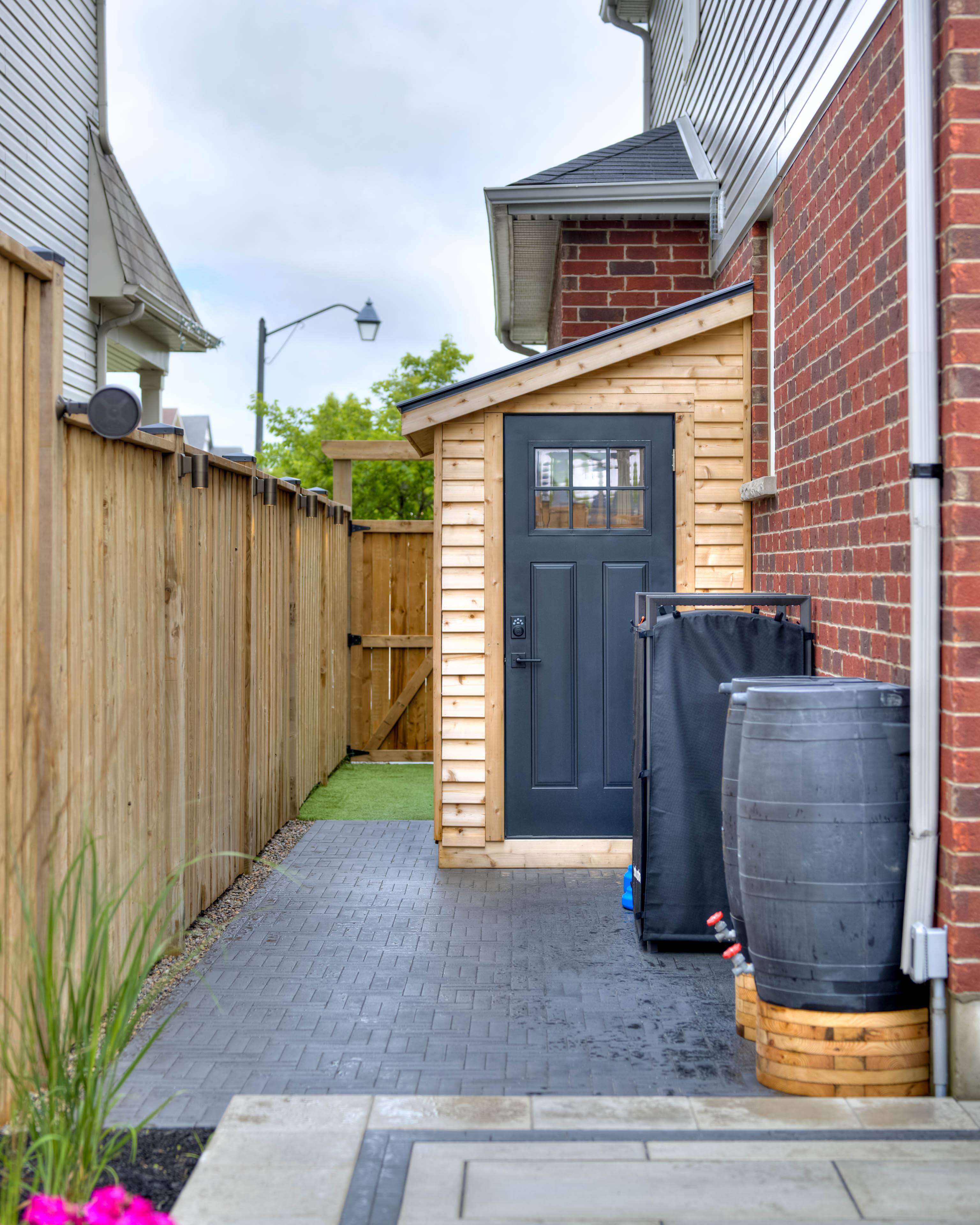
With a solid plan in place, it’s time to focus on essential construction details. These elements ensure your project stands the test of time.
Importance of Proper Footings
Footings are critical for stability. They support the structure and prevent sinking or shifting. In areas with harsh winters, like Ontario, frost footings are a must. They extend below the frost line, preventing ground movement from affecting your structure. Consider helical piles as a modern alternative for their durability and ease of installation.
Integrating Drainage Solutions
Good drainage is often overlooked but crucial for long-term stability. Without it, water can cause wood to rot or soil to erode. Design your space with proper grading and drainage systems to redirect water away from structures. This step not only protects your investment but also reduces maintenance needs down the road.
Timelines and Budgeting
Setting realistic timelines and budgets can save you stress. Start by getting a detailed quote and timeline from your contractor. Factor in potential delays, especially when waiting for permits or during bad weather. Budget for unforeseen expenses so you aren’t caught off guard. For more tips on managing outdoor remodels, see this guide.
Maintaining Your Custom Carpentry
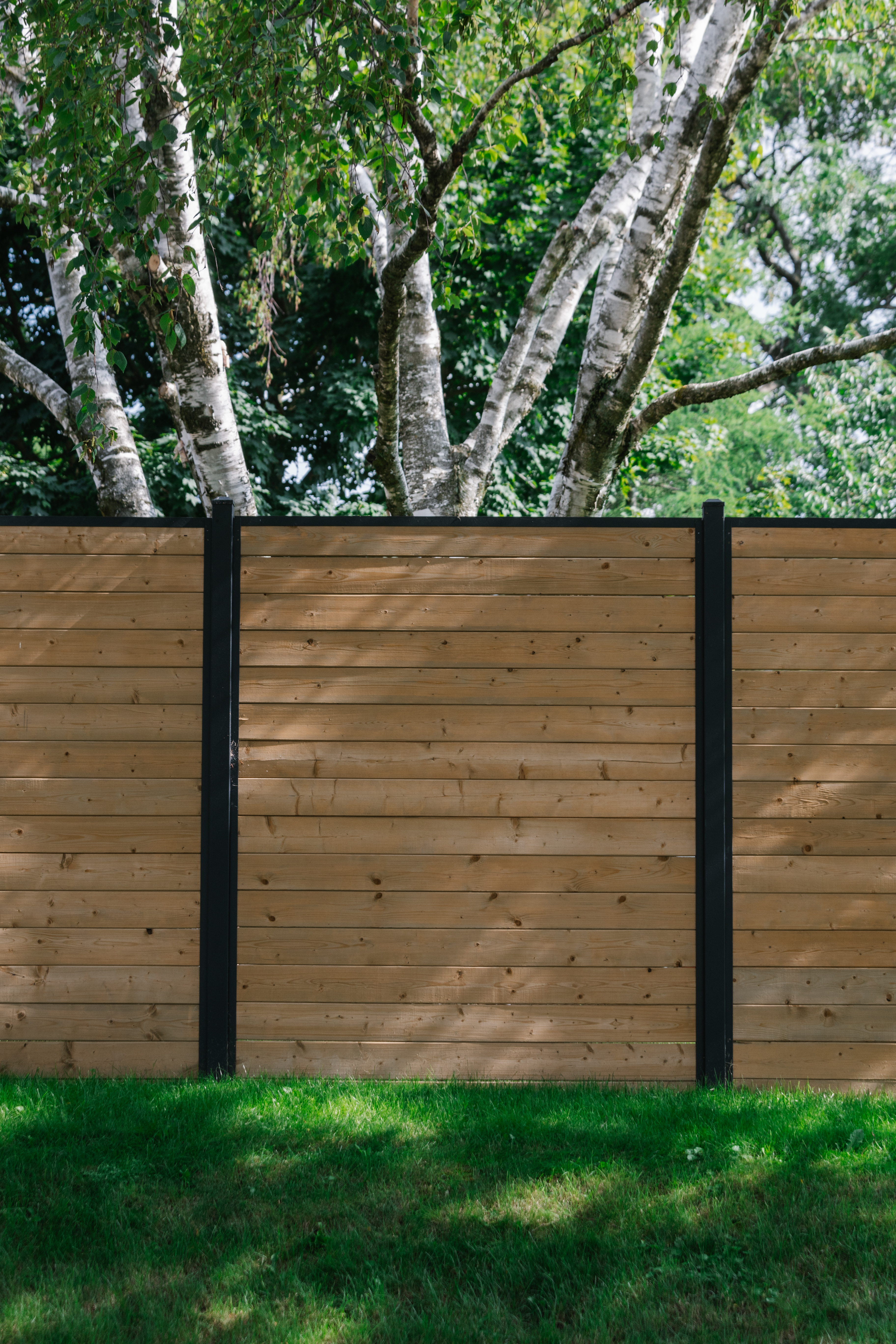
Once your carpentry project is complete, proper maintenance will keep it in top shape for years to come.
Care Tips for Cedar and Pressure-treated Wood
Each type of wood has specific care needs. Cedar requires regular sealing to maintain its color and prevent weathering. Pressure-treated wood needs cleaning and re-sealing to resist moisture. Regular upkeep will prolong the life of your structures. Check for maintenance tips in online forums like this one.
Ensuring Long-lasting Durability
Durability starts with quality materials and installation, but maintenance seals the deal. Inspect your structures annually for signs of wear or damage. Address issues like loose nails or boards promptly. A little attention goes a long way in preserving the beauty and function of your outdoor space.
Scheduling Regular Maintenance
Set reminders for regular inspections and upkeep. Whether it’s cleaning, sealing, or minor repairs, consistent care prevents bigger issues. Partnering with a reliable contractor for annual maintenance checks can offer peace of mind and protect your investment.
Frequently Asked Questions
Do I need a permit for a pergola in Waterloo?
Yes, most outdoor structures like pergolas require permits. Check with your local building department to ensure compliance with regulations.
What is the best wood for outdoor carpentry in Kitchener-Waterloo?
Cedar and pressure-treated wood are top choices. Cedar offers natural beauty and resistance to decay, while pressure-treated wood is more cost-effective and durable if maintained.
How often should I maintain my outdoor carpentry?
Regular maintenance, such as cleaning and sealing, should be done annually. Inspect your structures for damage every few months to address issues early.
Tags: