
Structure Before Style: How to Know Your Property Needs the Basics Fixed First
Many homeowners rush to update their outdoor spaces with fresh styles, only to face costly repairs down the road. Ignoring foundation issues, drainage problems, or unstable bases can turn your dream patio or retaining wall into a headache. Before you start any cosmetic work, knowing when your property needs structure-first fixes can save you time and money. We’ll show you the key warning signs so your Kitchener landscaping project stands the test of time. Learn more about prioritizing performance upgrades.
Recognizing Structural Issues
Identifying structural problems before focusing on aesthetics is crucial. Understanding the signs of poor drainage, weak foundations, and retaining wall issues can prevent future headaches and costly repairs.
Signs of Poor Drainage
Poor drainage can lead to serious property damage. If water pools around your home or garden after rain, it’s time to act. Standing water can weaken soil and affect the stability of your structures. You might notice soggy patches in your lawn or water stains on your foundation. These are red flags indicating that water isn’t draining properly. Ignoring them could lead to severe foundation damage over time.
In addition to visible water, a musty odor in your basement or crawl space can be a sign of excess moisture. This often results from poor drainage and can lead to mold growth. Mold not only damages your property but also poses health risks. Addressing drainage issues early helps to protect your home and maintain a healthy living environment.
Identifying Weak Foundations
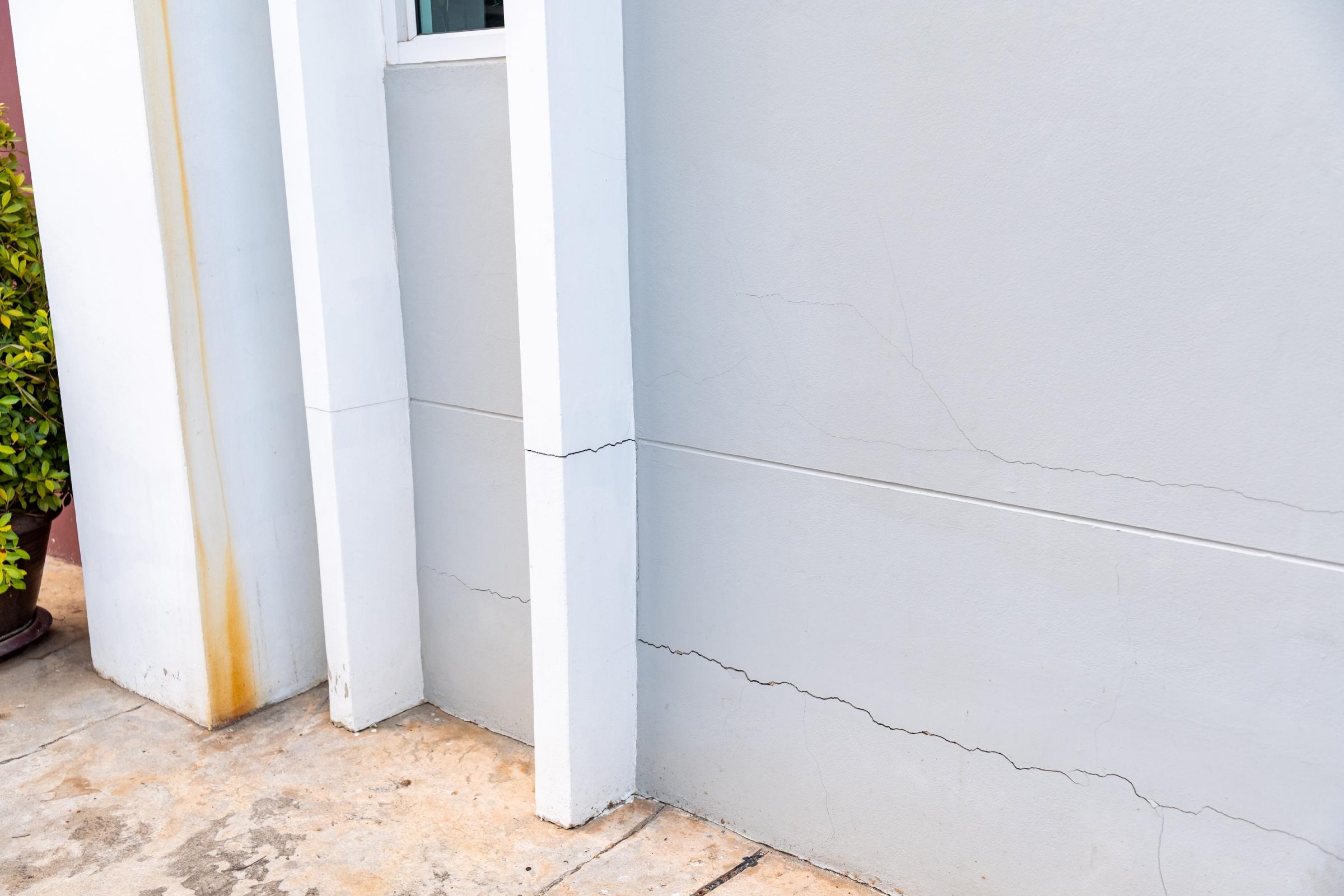
The foundation of your home is essential for its stability. Cracks in walls or doors that don’t close properly can be signs of foundation problems. If you see gaps around window frames or notice sloping floors, your foundation might be shifting. These shifts can occur due to soil erosion or poor initial construction.
To protect your foundation, regular inspections are vital. Catching these signs early allows for minor repairs, preventing major issues. Remember: a strong foundation is the backbone of a safe home. If you’re unsure, consulting a professional can help diagnose and address any concerns promptly.
Detecting Retaining Wall Problems
Retaining walls require careful attention. Signs of trouble include bulging, leaning, or cracked walls. These indicate that the wall may not be holding back soil effectively. Poor construction and water pressure are common culprits behind these issues.
Addressing retaining wall problems early can prevent them from collapsing. Regular maintenance, such as checking drainage systems and inspecting for cracks, is essential. A well-constructed wall should remain stable despite environmental pressures. If you’re planning a retaining wall project, choose materials like natural stone or concrete blocks, which offer durability and aesthetic appeal.
Prioritizing Essential Repairs
Focusing on essential repairs first ensures that your property remains safe and functional. Before cosmetic changes, make sure drainage, retaining walls, and patio bases are in top shape.
Importance of Proper Drainage Solutions
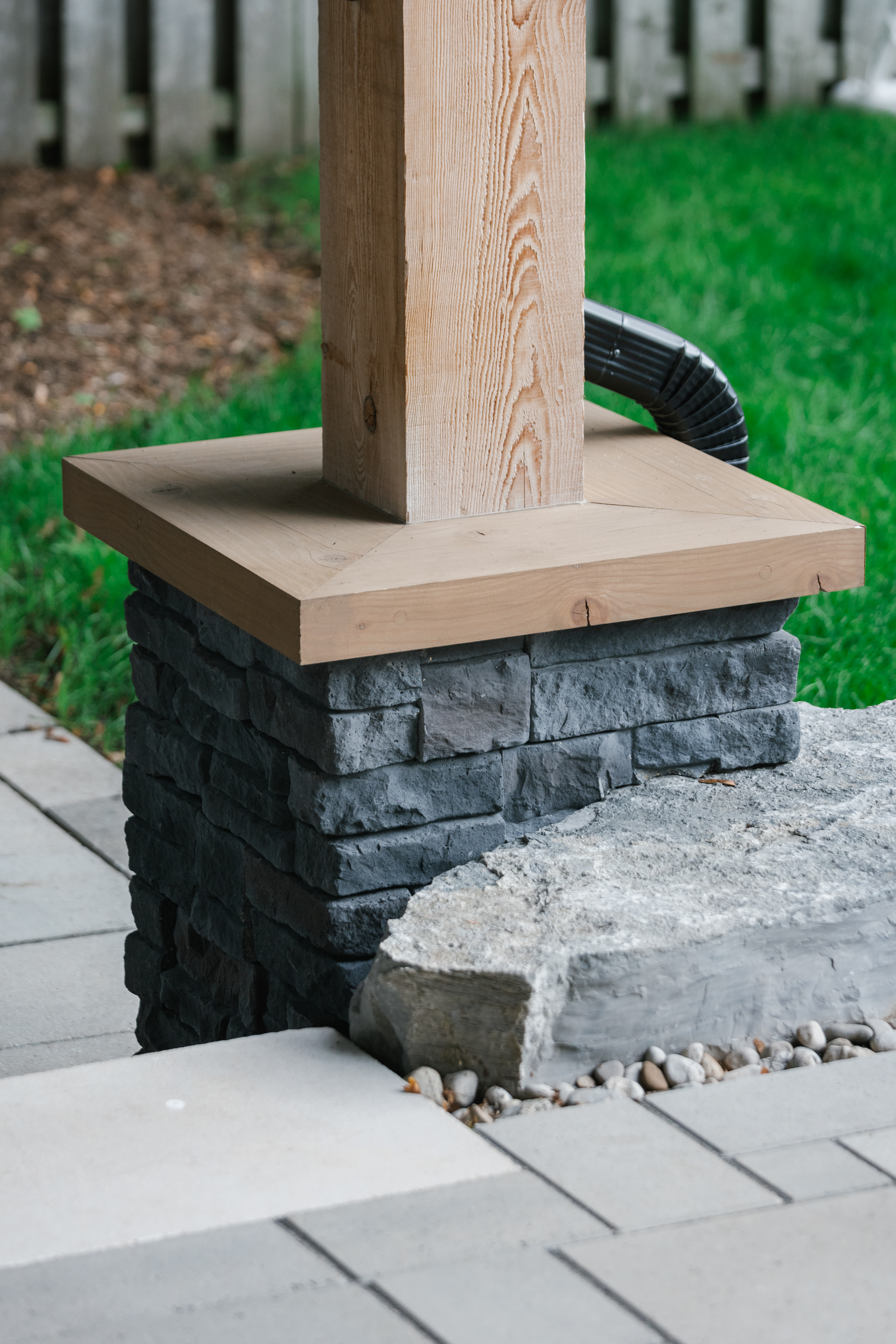
Proper drainage solutions prevent water from causing damage. Installing French drains or gutter extensions can direct water away from critical areas. This proactive approach protects your home’s foundation and reduces the risk of erosion. Effective drainage solutions help maintain the integrity of your landscaping as well.
Neglecting drainage often leads to costly repairs. Water damage is not only structural but can also affect your home’s value. Prioritizing drainage solutions saves money in the long run. It’s a small investment for significant peace of mind.
Retaining Wall Repair and Stability
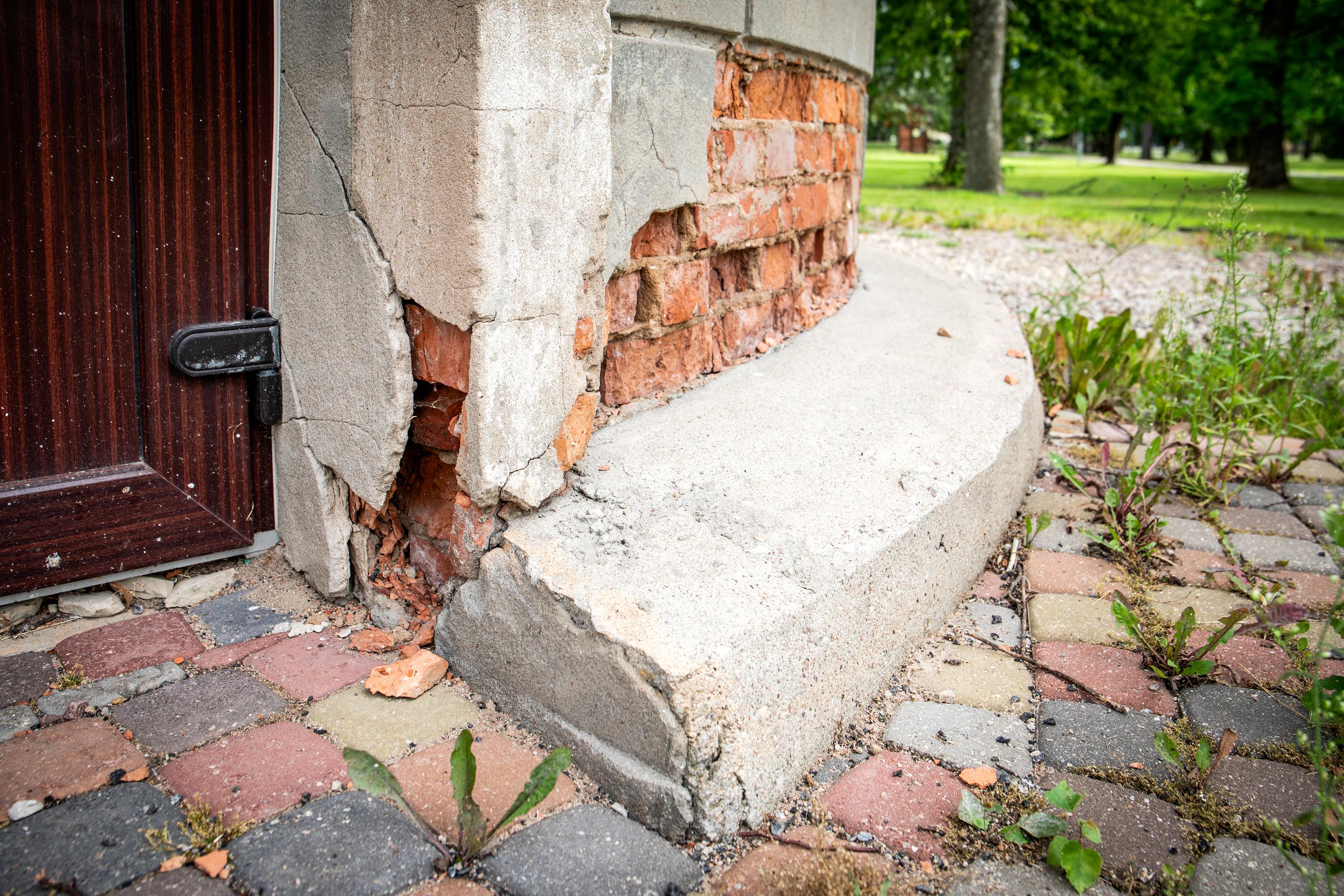
Retaining wall stability is critical for long-term property integrity. Repairing any visible cracks or leaning issues should be a priority. Assessing the wall’s drainage system can help prevent future problems. A stable retaining wall not only looks good but also secures your landscape.
Choosing the right material for repair is crucial. Options like concrete blocks or natural stone provide both strength and beauty. They work well in various settings and offer long-lasting solutions. Consulting a professional ensures that your wall meets structural requirements and enhances your outdoor space.
Preparing a Strong Patio Base
A patio is only as good as its base. If you notice your patio shifting or cracking, it might be due to an unstable base. Preparing the ground properly before laying any material is essential. This includes compacting the soil and adding a layer of gravel.
A strong patio base prevents uneven surfaces and increases the longevity of your patio. It also reduces the need for frequent repairs. When planning a new patio, invest time in preparing the ground. This step saves you from future issues and ensures a beautiful, durable outdoor area.
Benefits of Structural-First Approach
Taking a structural-first approach to property improvement offers numerous benefits. It leads to cost savings, boosts property value, and ensures safety.
Long-Term Cost Savings
Addressing structural issues upfront leads to significant savings. By fixing drainage, foundations, and retaining walls early, you avoid expensive repairs later. For example, investing in proper drainage can prevent foundation damage, which is costly to fix. This approach keeps your property in top condition.
Ignoring structural problems often leads to recurring issues. These can be more expensive than a one-time repair. By prioritizing essential repairs, you ensure your property remains safe and functional without breaking the bank.
Enhancing Property Value
Investing in structural improvements boosts your property’s value. Potential buyers prioritize homes with solid foundations and effective drainage. A well-maintained property stands out in the market. By focusing on stability, you improve your home’s appeal and increase its resale value.
Cosmetic upgrades may look appealing, but they won’t compensate for structural flaws. Addressing the basics first ensures a sound investment. This approach not only enhances your living experience but also attracts potential buyers when it’s time to sell.
Safety and Compliance with Ontario Building Code
Ensuring your property complies with the Ontario Building Code is crucial. This code sets standards for safety and structural integrity. Meeting these standards keeps your property legal and safe for occupants. Inspections for drainage, foundation, and retaining walls help maintain compliance.
Safety goes hand in hand with legal compliance. By following the building code, you protect your family and investment. Prioritizing structural repairs ensures peace of mind and aligns with regulatory requirements.
Frequently Asked Questions
What are the signs of poor drainage around my home?
Standing water, soggy lawns, and water stains on your foundation are clear indicators. A musty smell in basements also points to drainage issues.
How can I identify weak foundations?
Look for wall cracks, sloping floors, and doors that don’t close properly. These signs suggest potential foundation problems that need attention.
Why is retaining wall stability important?
A stable retaining wall prevents soil erosion and maintains landscape integrity. Repairing cracks and ensuring proper drainage are crucial for stability.
What benefits come from a strong patio base?
A robust patio base prevents uneven surfaces and prolongs the patio’s life. Preparing the ground well reduces future repair needs.
How does structural improvement enhance property value?
Investing in structural repairs boosts property value by ensuring safety and compliance. Buyers prioritize homes with solid foundations and effective drainage solutions.
Tags: