
Before You Build: A Kitchener-Waterloo Guide to Planning a Custom Pergola
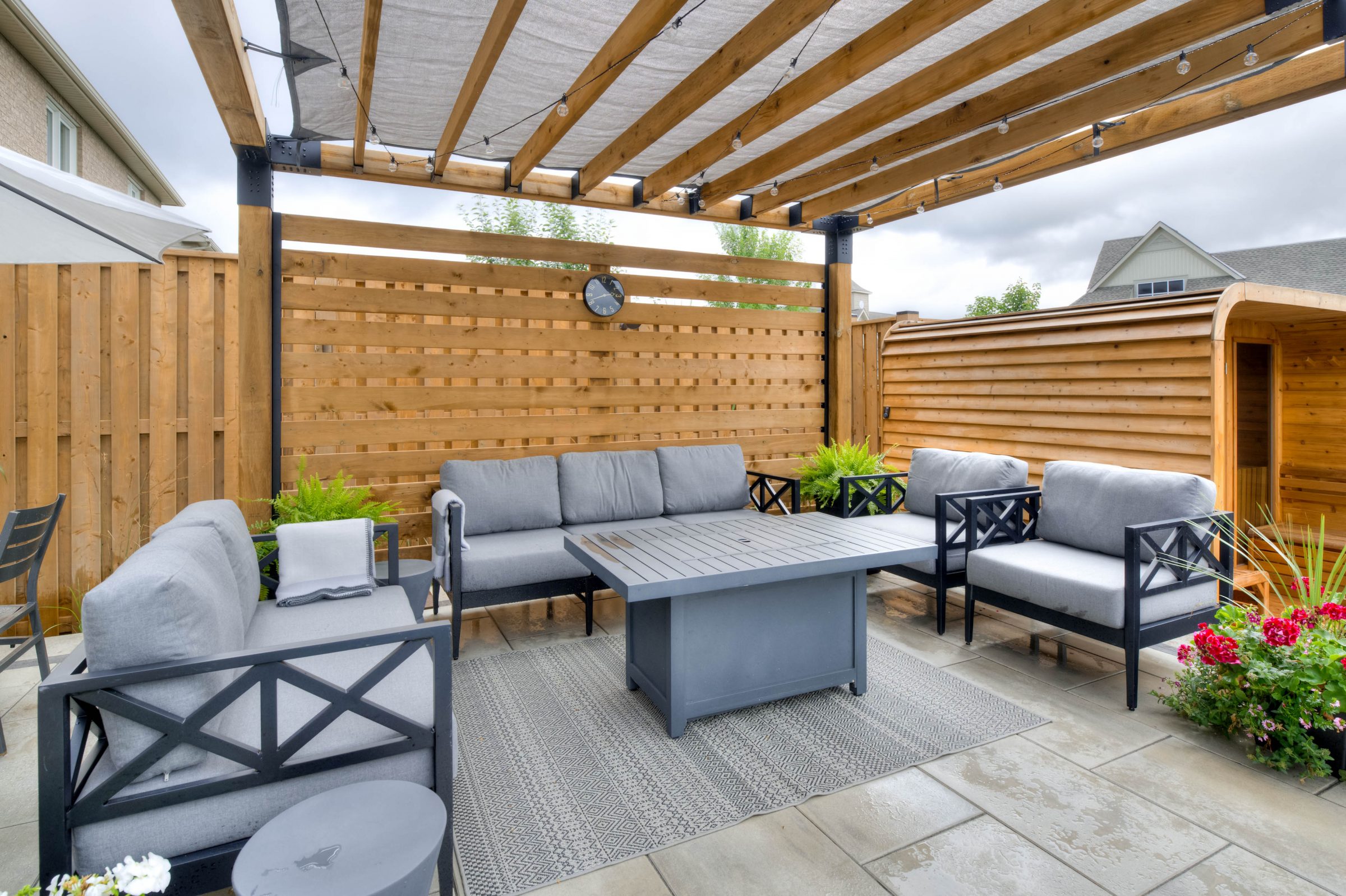
Planning a custom pergola in Kitchener-Waterloo takes more than picking a style you like. You’ll want to think about design details, local permits, and the right materials that suit your yard and lifestyle. Knowing these key points upfront helps avoid surprises and keeps your project on track. Keep reading to learn what matters most before you build your perfect outdoor space with a custom pergola.
Planning Your Custom Pergola
Creating the perfect pergola requires thoughtful planning and keen attention to detail. A well-considered design ensures your outdoor space is both beautiful and functional.
Understanding Design Basics
Start with a clear vision for your pergola. Think about how you plan to use this space. Will it be a cozy spot for relaxation or a vibrant area for entertaining guests? Knowing your goals will help guide the design process.
Consider the size and shape of your yard. A pergola should complement your garden without overwhelming it. Measure the area carefully and sketch out a rough layout. This will help you visualize how your pergola will fit into your outdoor space.
Finally, think about style. Do you prefer a classic wooden look or a modern metal design? Your choice should reflect your personal taste and the existing architecture of your home.
Selecting the Right Materials
Choosing the right materials is crucial for durability and aesthetics. Wood, such as cedar, offers a natural look and blends well with gardens. It’s also resistant to rot and insects, making it a popular choice in Ontario.
If low maintenance is a priority, consider aluminum. It’s sturdy, weather-resistant, and available in various finishes. An aluminum pergola can provide a sleek, modern appearance.
Think about your budget too. High-quality materials might cost more upfront but can save you money on repairs in the long run. Weigh the benefits of durability against the initial expense.
Considering Local Climate Needs
Kitchener-Waterloo’s climate presents unique challenges. Your pergola must withstand both hot summers and cold winters. Choose materials that can endure temperature fluctuations without warping or cracking.
Ensure your pergola design includes proper drainage to## Planning Your Custom Pergola
Understanding Design Basics
Creating a custom pergola involves more than just selecting a design that looks nice in your yard. You need to consider its function and how it complements your outdoor space. Start by thinking about the purpose of your pergola. Will it serve as a shaded retreat or a decorative element to enhance your garden’s aesthetic? Knowing its role will help guide your design choices.
When it comes to style, simplicity often works best. A clean and straightforward design can prevent your pergola from overwhelming your space. Consider the layout of your yard; a pergola can be a standalone structure or attached to your home. Attaching it to your house can create a seamless transition from indoor to outdoor living. For more insights on attaching a pergola, check out this guide.
Finally, think about size and proportions. A pergola that’s too big may dominate your yard, while a too-small structure might not fulfill its intended purpose. Measure your space carefully to ensure the pergola fits well with existing features like patios or gardens.
Selecting the Right Materials
Choosing materials is a crucial step in building a durable pergola. Consider classic options like wood, which offers a natural look, or modern materials like aluminum, known for low maintenance. Wood, especially cedar, is popular in Ontario for its durability and resistance to decay, making it a great choice for a “cedar pergola Ontario.”
Aluminum, on the other hand, is lightweight and weather-resistant, ideal if you want a structure that requires little upkeep. When selecting materials, think about your local climate and the potential for wear over time.
Keep in mind that each material has its own aesthetic and functional benefits. For example, wood can be painted or stained to match your style, while aluminum offers a sleek, contemporary look. Weigh these factors carefully to find the best fit for your needs and budget.
Considering Local Climate Needs
The climate in Kitchener-Waterloo can be quite variable, so your pergola needs to withstand different weather conditions. Consider designing your pergola to provide adequate shade in summer while still allowing sunlight to filter through during cooler months.
Additionally, think about how your pergola will fare in rain or snow. It’s wise to choose materials that can resist moisture and decay, ensuring your pergola remains sturdy year-round. A well-designed pergola should also factor in wind resistance, especially if your yard is exposed to strong gusts. Look into options that secure the structure firmly to the ground to prevent any movement.
Navigating Permits and Regulations
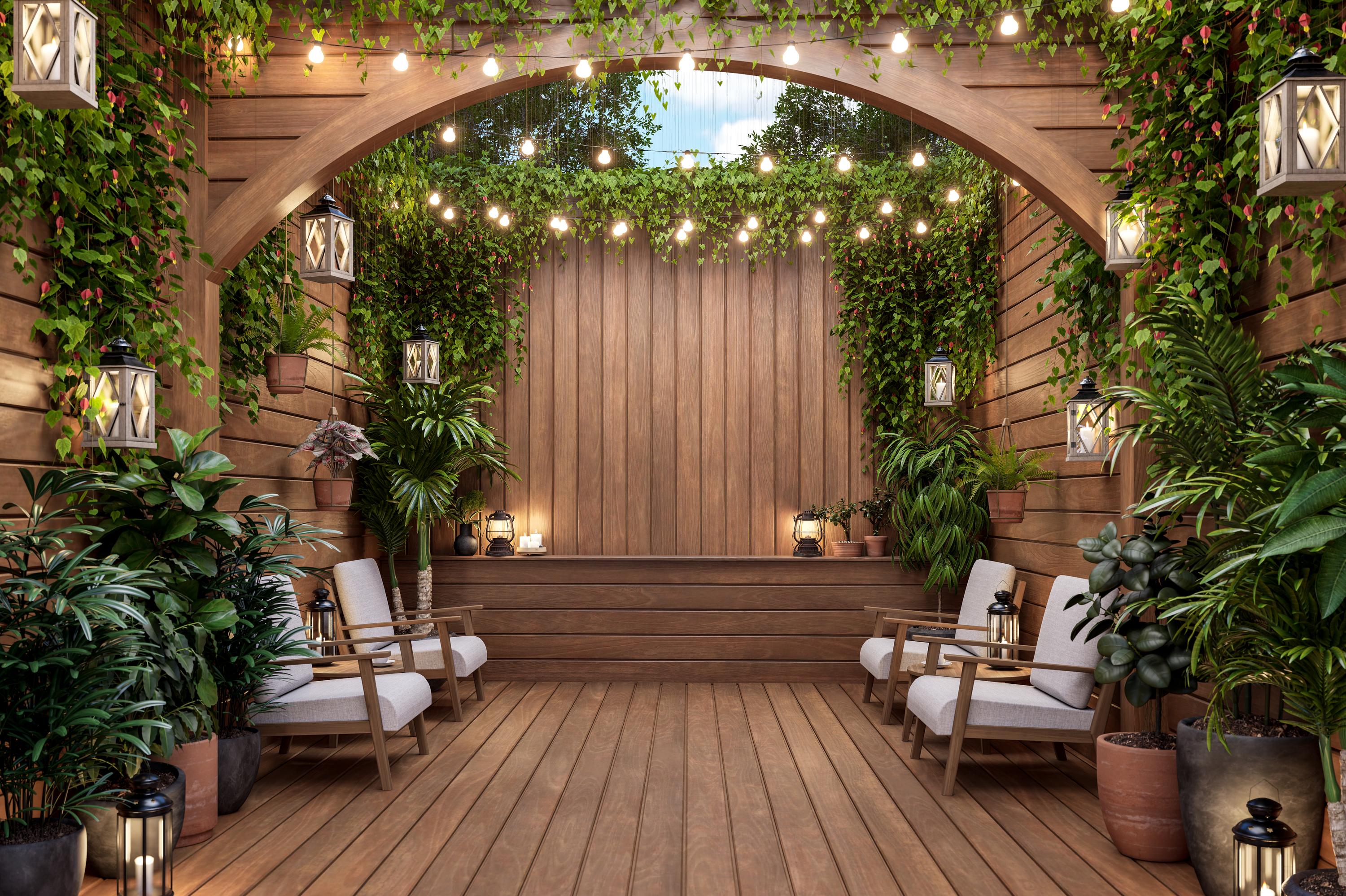
Pergola Permits in Ontario
Before you start building your pergola, it’s essential to check whether you need a permit. In Ontario, pergola permits may be required depending on the size and location of the structure. Generally, pergolas that are attached to a dwelling or exceed a certain height may need approval.
Start by contacting your local building department to understand the specific requirements for your area. They can provide guidance on what documentation you’ll need to submit. Failing to secure the necessary permits can lead to fines or even the removal of your pergola, so it’s crucial to follow the rules from the start.
Meeting Building Code Requirements
Alongside permits, your pergola must comply with building codes. These regulations ensure that your structure is safe and sound. Building codes in Ontario cover various aspects, such as the strength of materials and the stability of the structure under different conditions.
Consult with a professional contractor who is familiar with local codes to ensure your pergola meets all safety standards. A knowledgeable contractor can help you navigate these requirements and avoid potential pitfalls during construction.
Planning for Snow and Wind Loads
Kitchener-Waterloo experiences heavy snowfalls and strong winds, so your pergola needs to be designed accordingly. Snow loads refer to the weight of snow that your pergola must support without collapsing. Make sure the design incorporates sturdy beams and supports that can handle the added weight in winter.
Wind loads are another consideration. Pergolas must be anchored securely to the ground to prevent them from tipping over during high winds. Consider using helical pile footings for added stability. Proper planning will ensure your pergola remains a safe and enjoyable feature of your outdoor space, no matter the weather.
Envisioning Your Perfect Outdoor Space
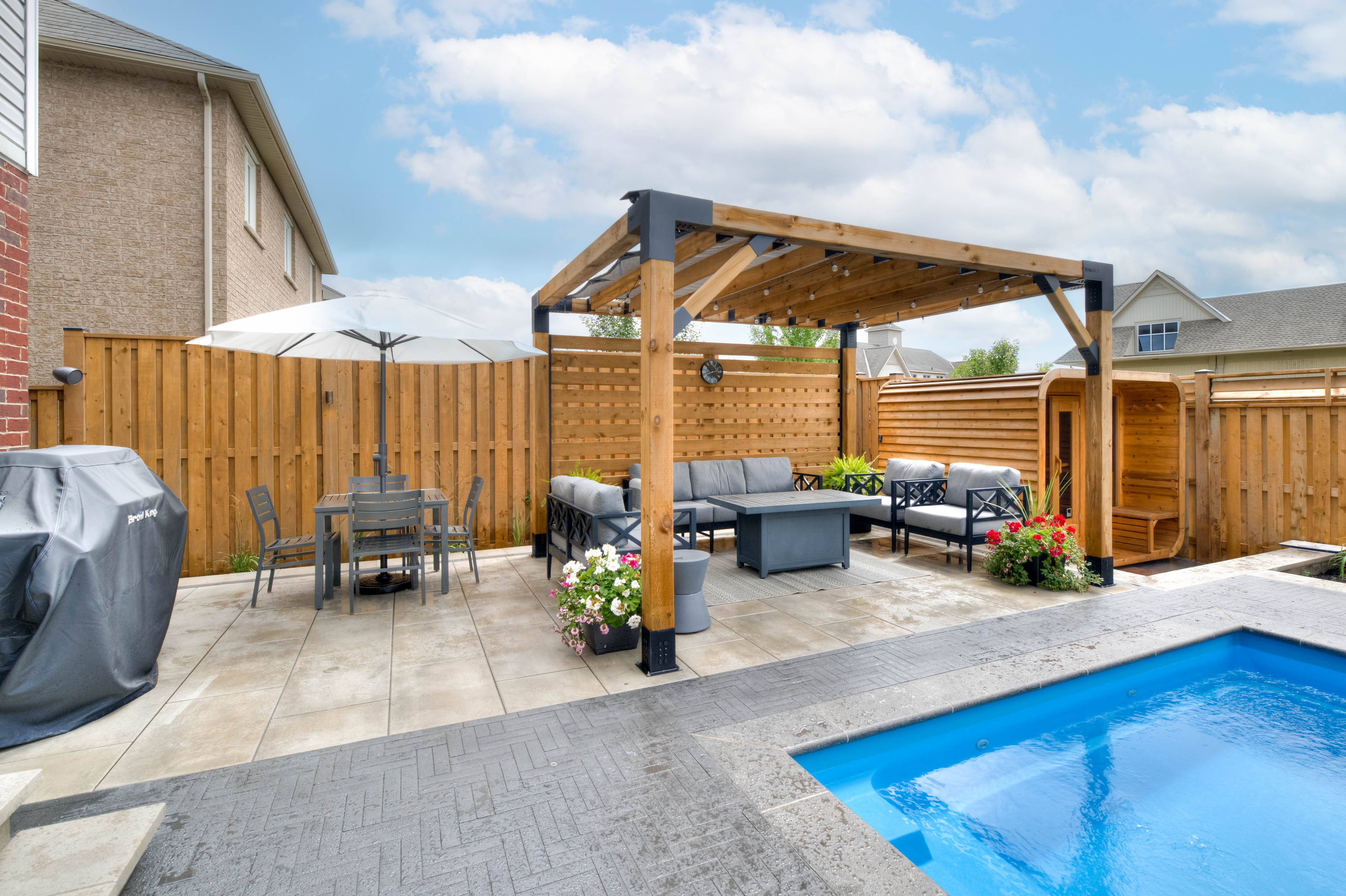
Integrating Privacy Screens and Lighting
Enhancing your pergola with privacy screens and lighting can transform it into a cozy outdoor retreat. Privacy screens are perfect for creating a secluded space for relaxation or entertaining. They can be made from a variety of materials, such as wood, bamboo, or metal, and can be designed to match the overall style of your pergola.
Lighting plays a crucial role in setting the mood and extending the usability of your pergola into the evening. Consider installing LED lights or string lights to create a warm, inviting atmosphere. Solar-powered options are also available if you want an eco-friendly solution. With thoughtful integration of these elements, your pergola will become a favorite spot for gatherings and quiet moments alike.
Choosing Between 2D and 3D Design
When planning your pergola, consider using both 2D and 3D design tools. These tools help you visualize the final structure and make necessary adjustments before construction begins. A 2D design offers a flat, top-down view of your pergola, which is great for planning its position and size in relation to other features in your yard.
A 3D design goes a step further, providing a realistic view of the pergola from different angles. This perspective helps you understand how the pergola will look in real life, ensuring that the final outcome matches your vision. Many contractors offer design services that include both 2D and 3D plans, allowing for a comprehensive approach to planning your custom pergola.
Connecting Pergolas to Decks and Patios
Connecting your pergola to existing structures like decks and patios can enhance the overall flow of your outdoor space. This integration creates a unified area that extends your living space outdoors. When attaching a pergola to a deck or patio, ensure that the materials and design complement each other for a cohesive look.
Consider using matching wood or similar finishes to create a seamless transition. You can also explore different attachment methods to ensure the pergola is securely connected. A well-integrated pergola not only adds to the beauty of your outdoor space but also increases its functionality for dining, relaxing, or entertaining.
Frequently Asked Questions
What materials are best for a pergola in Kitchener-Waterloo?
Wood, especially cedar, is a popular choice due to its durability and natural look. Aluminum is also favored for its low maintenance and contemporary style.
Do I need a permit to build a pergola in Ontario?
Possibly, depending on size and location. Contact your local building department to confirm if your pergola requires a permit.
Can I attach a pergola to my existing deck?
Yes, attaching a pergola to a deck can enhance the space. Use matching materials and secure attachment methods for a seamless integration.
How can I ensure my pergola withstands local weather?
Design with sturdy materials and incorporate stable footings to handle snow and wind loads. Consult with professionals for best practices.
What are the benefits of 3D pergola design?
3D design provides a realistic view of your pergola, helping you visualize and adjust the design before construction begins. This ensures the final structure meets your expectations.
Ready to transform your outdoor space? Understanding these key considerations will help you plan effectively and create a beautiful, functional pergola that enhances your home.
Tags: