
Before You Build: What to Know About Retaining Walls in Kitchener-Waterloo
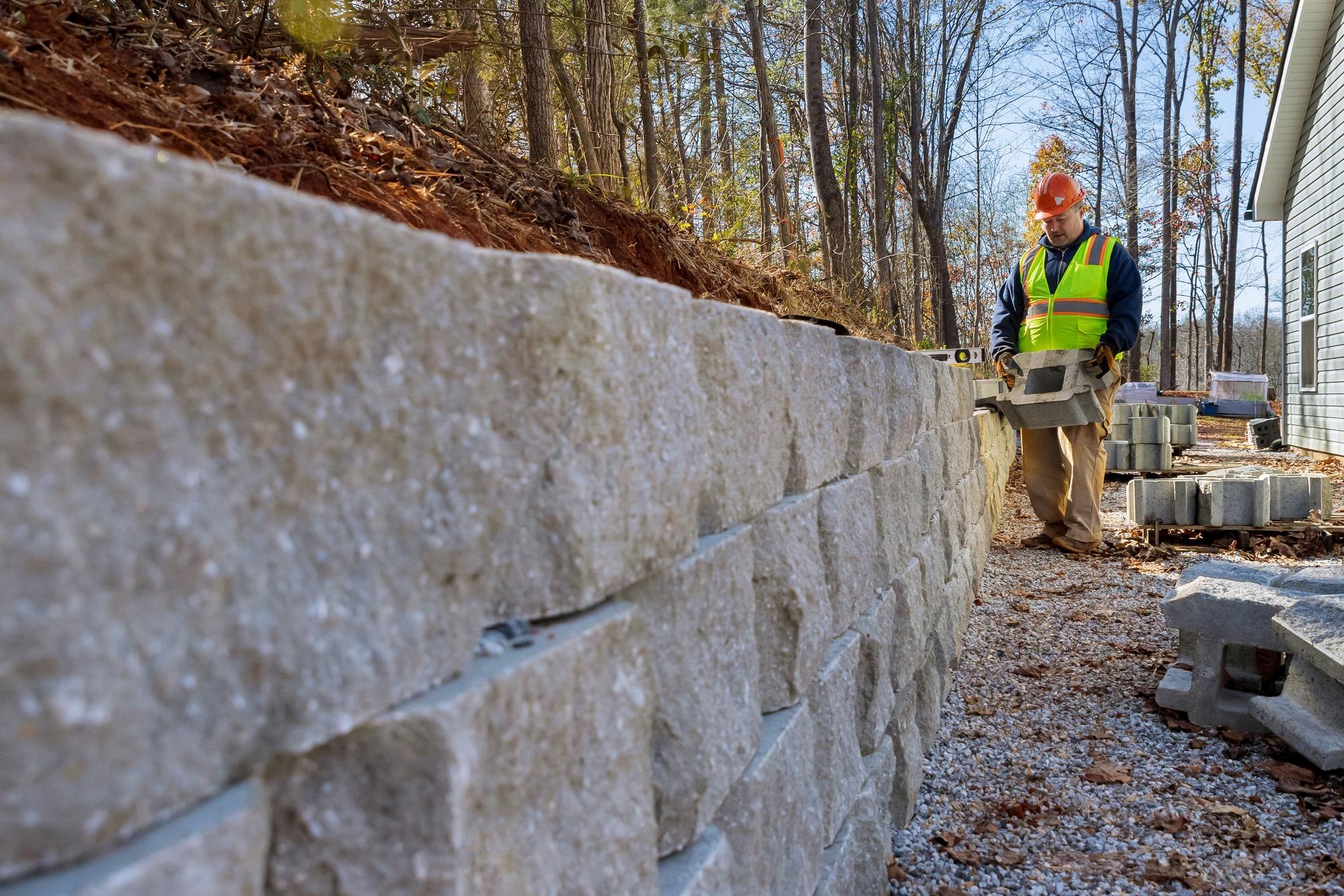
A poorly built retaining wall can lead to costly repairs and headaches down the road. If you’re planning a retaining wall in Kitchener, there are key steps you need to know—from permits and drainage to selecting the right materials and budgeting wisely. We’ll guide you through what matters most, so your project stands strong and looks great for years to come. Learn more about these considerations by visiting our website.
Understanding Retaining Wall Permits
When planning your retaining wall project, understanding the permits involved is crucial. It ensures your wall stands legally and safely on your property.
Navigating Ontario Permit Requirements
In Ontario, permits for retaining walls are often required if the wall exceeds a certain height. Typically, walls over three feet need a permit. This process might involve submitting detailed project plans to your local municipality. You will need to account for aspects like safety, design, and structural integrity. It’s essential to check with your local building department to confirm specific requirements and avoid any surprises later. By staying informed, you protect your investment and ensure your wall is up to code.
Essential Engineering Considerations
Engineering plays a critical role in the success of your retaining wall. It’s not just about stacking stones or blocks; it’s about ensuring the wall can withstand pressure from the soil it holds back. Proper engineering considers factors like soil type, drainage, and load-bearing capacity. Hiring a professional engineer can save you from future problems. They can provide calculations and design specifics to keep your wall standing strong. Remember, a well-engineered wall is a safe wall.
Choosing the Right Materials

Selecting the right materials is key to the longevity and appearance of your retaining wall. Let’s explore some popular options homeowners in Kitchener prefer.
Comparing Stone and Armour Stone
Stone and armour stone are popular choices for retaining walls. Stone walls offer a natural look and can blend beautifully into the landscape. They provide durability and a classic appeal that many homeowners love. Armour stone takes it up a notch with its larger, sturdier blocks. It’s ideal for creating a bold, robust structure that can handle heavy loads. While stone offers elegance, armour stone provides strength. Consider your aesthetic and structural needs before deciding. For more on these materials, visit StonePlace.
Benefits of Concrete Block Systems
Concrete block systems are another excellent choice for retaining walls. These systems are known for their versatility and ease of installation. Concrete blocks come in various sizes and finishes, offering flexibility in design. They provide a modern look and excellent stability. One significant advantage of concrete blocks is their interlocking feature, which enhances the wall’s structural integrity. This choice is perfect for homeowners seeking a clean, contemporary appearance with reliable strength.
Effective Drainage Solutions
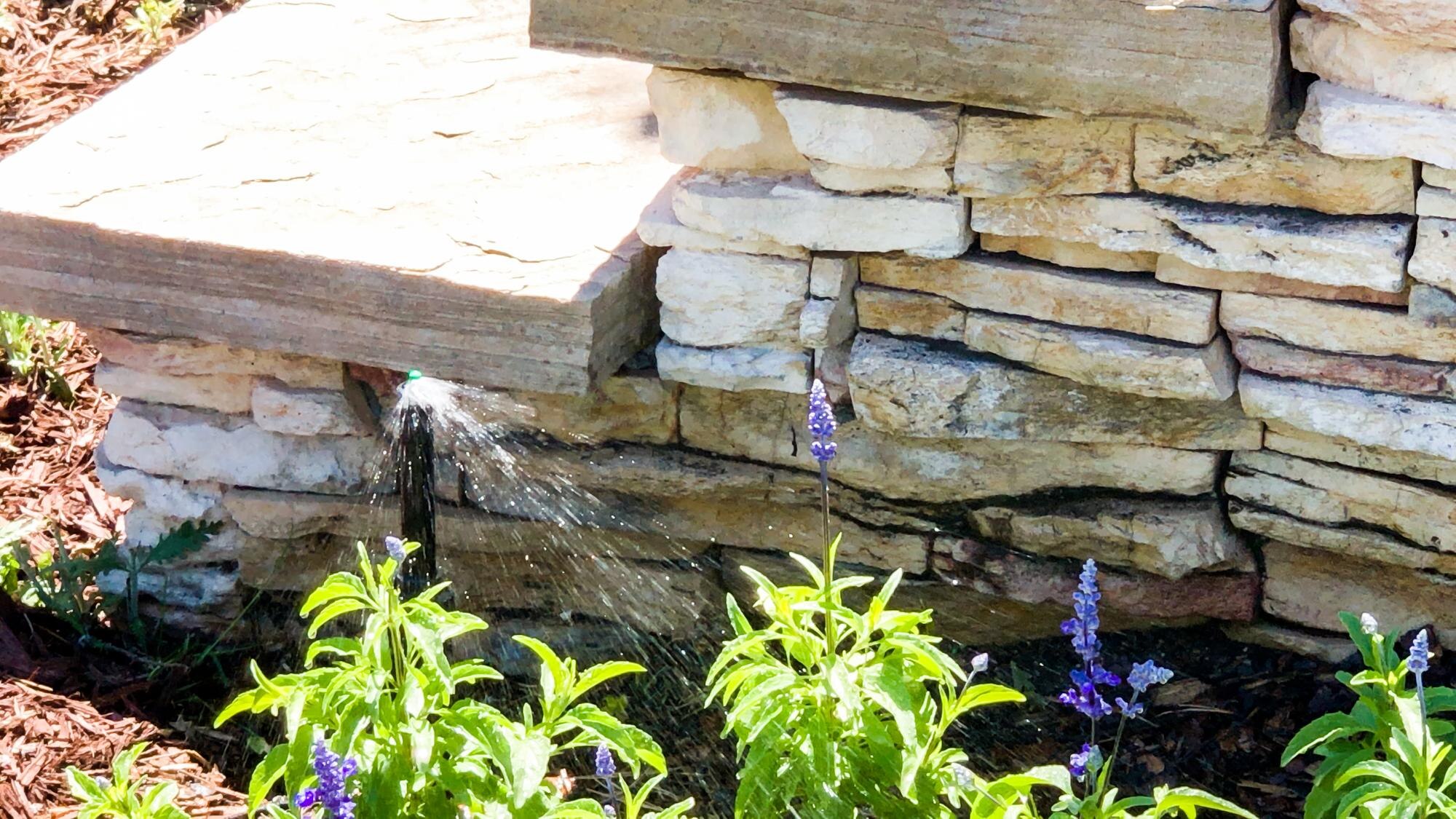
Proper drainage is vital for the stability of your retaining wall. It prevents water buildup that can weaken the structure over time.
Importance of Retaining Wall Drainage
Without effective drainage, water can accumulate behind the wall, increasing pressure and potentially causing failure. Drainage solutions help redirect water away from the wall, reducing erosion and damage. Installing drainage pipes or gravel behind the wall are common methods to ensure water flows away smoothly. Keeping your wall dry is crucial to its longevity and durability.
Integrating Geogrid Reinforcement
Geogrid reinforcement is an innovative technique that adds strength to your retaining wall. It involves embedding a geogrid mesh within the soil behind the wall, which helps distribute loads and increase stability. This reinforcement is particularly useful for taller walls or those on slopes. By integrating geogrid, you enhance the wall’s ability to withstand pressure and prevent shifting. It’s a smart investment in the wall’s long-term performance.
Frequently Asked Questions
Do I need a permit for a retaining wall in Ontario?
Yes, if your retaining wall exceeds a certain height, usually three feet, you will need a permit. Check with your local building department for specific requirements.
What materials are best for a retaining wall?
Stone, armour stone, and concrete block systems are popular choices. Each offers unique benefits, from natural aesthetics to modern durability. Choose based on your design preferences and structural needs.
Why is drainage important for retaining walls?
Drainage prevents water buildup behind the wall, reducing pressure and risk of failure. Effective drainage solutions, like pipes or gravel, help maintain the wall’s stability and longevity.
What is geogrid reinforcement and why use it?
Geogrid reinforcement involves embedding a mesh behind the wall to improve stability and load distribution. It’s especially beneficial for taller walls or those on slopes, enhancing strength and preventing shifting.
How can I ensure my retaining wall is well-engineered?
Hire a professional engineer to assess soil conditions and design specifications. Proper engineering considers factors like soil type, drainage, and load-bearing capacity, ensuring a safe and durable structure.
Tags: