
Beyond Beautiful: How to Make Your Renovation Truly Functional

A renovation should do more than just look good. When your space works smoothly, your daily routine feels easier and less stressful. We’ll show you how a functional renovation can bring real improvements to your home, from smarter kitchen layout optimization to durable finishes that stand up to life’s demands. As a trusted Kitchener-Waterloo contractor, Array Contracting Services focuses on clear communication and quality craftsmanship. Let’s explore what makes a renovation truly practical—and how you can get started with a custom 2D and 3D design plan today. For more insights, check out this link.
Designing Functional Spaces
Your home should be as practical as it is pleasant. Before diving into a makeover, let’s consider some essential planning tips to ensure functionality.
Essential Renovation Planning Tips
Start by assessing your daily needs. Think about what frustrates you most in your current setup. Is it the lack of storage? A cramped kitchen? By prioritizing these areas, you can focus your efforts on changes that will make a real difference.
A well-thought-out plan saves time and money. It minimizes last-minute changes, which can be costly. Involve professionals early in your renovation journey to streamline the process. Their expertise can guide you in creating a layout that flows well and functions efficiently. With clear goals, your renovation will not just look good but will also serve you better every day. For some inspiration on renovation planning, check out 6 Home Remodel Tips for a Successful Renovation.
Smart Storage Solutions for Homes
Every home benefits from clever storage solutions. They help maintain order and reduce clutter, creating a more relaxed and organized atmosphere.
Consider built-in shelves and cabinets as they make use of every inch of space. Custom solutions tailored to your needs can fit into awkward spots, turning them into useful areas. For instance, under-stair storage can be a game-changer. It’s perfect for items that you need but don’t use daily.
Another smart tip is to think vertically. Tall cabinets and shelving units draw the eye up and make rooms feel larger. They also offer extra room for storage without taking up valuable floor space. The key is to find a balance between storing items and maintaining an open, airy feel.
Optimizing Your Kitchen Layout
The kitchen is often the heart of the home. A well-designed layout can make cooking and entertaining a joy rather than a chore.
Begin by considering the work triangle— the ideal placement of the stove, sink, and refrigerator. This setup minimizes unnecessary steps and makes food preparation more efficient. An island can be a great addition if space allows. It offers extra workspace and storage, keeping essentials within easy reach.
Lighting also plays a crucial role in functionality. Bright, focused lights over work areas reduce strain and improve visibility. Meanwhile, softer lighting in dining areas creates a cozy atmosphere. Thoughtful layout and lighting choices turn your kitchen into a hub of activity and enjoyment.
Choosing Practical Materials

Once the planning is set, the next step is selecting materials that offer both beauty and practicality. These choices are key to a renovation that stands up to daily wear.
Durable Finishes for High-Traffic Areas
High-traffic areas, like entryways and kitchens, need materials that can withstand constant use. Durable finishes not only look good but also maintain their appearance over time.
Consider materials like porcelain tile for floors. It’s tough, easy to clean, and available in numerous styles. For countertops, quartz is a popular choice. It’s resistant to scratches and stains, making it ideal for busy kitchens.
Paints should be washable and scrubbable. They keep walls looking fresh, even in the face of fingerprints and scuffs. Choosing robust finishes ensures your renovation investment lasts for years to come.
Low-Maintenance Materials for Busy Families
Busy families need home materials that are easy to maintain. This means less time cleaning and more time enjoying your home.
Laminate flooring, for example, is a practical choice. It mimics the look of wood but is easier to clean and more resistant to wear. Similarly, composite decking requires less upkeep than traditional wood, making it perfect for outdoor spaces.
For countertops, consider solid surface materials. They are seamless, reducing places where dirt can gather, and they are easy to disinfect. Opting for low-maintenance materials keeps your space looking great with minimal effort.
Universal Design for Every Stage of Life
Universal design makes homes accessible for everyone, regardless of age or ability. It’s a forward-thinking approach that adds lasting value.
Start with wide doorways and hallways. They not only accommodate wheelchairs but also make moving furniture easier. Lever-style door handles and touchless faucets are convenient for all, from young children to the elderly.
Consider installing a curbless shower for safety and ease of use. It’s a simple change that can make a big difference. By incorporating universal design, your home adapts to changing needs over time.
Visualizing Your Renovation
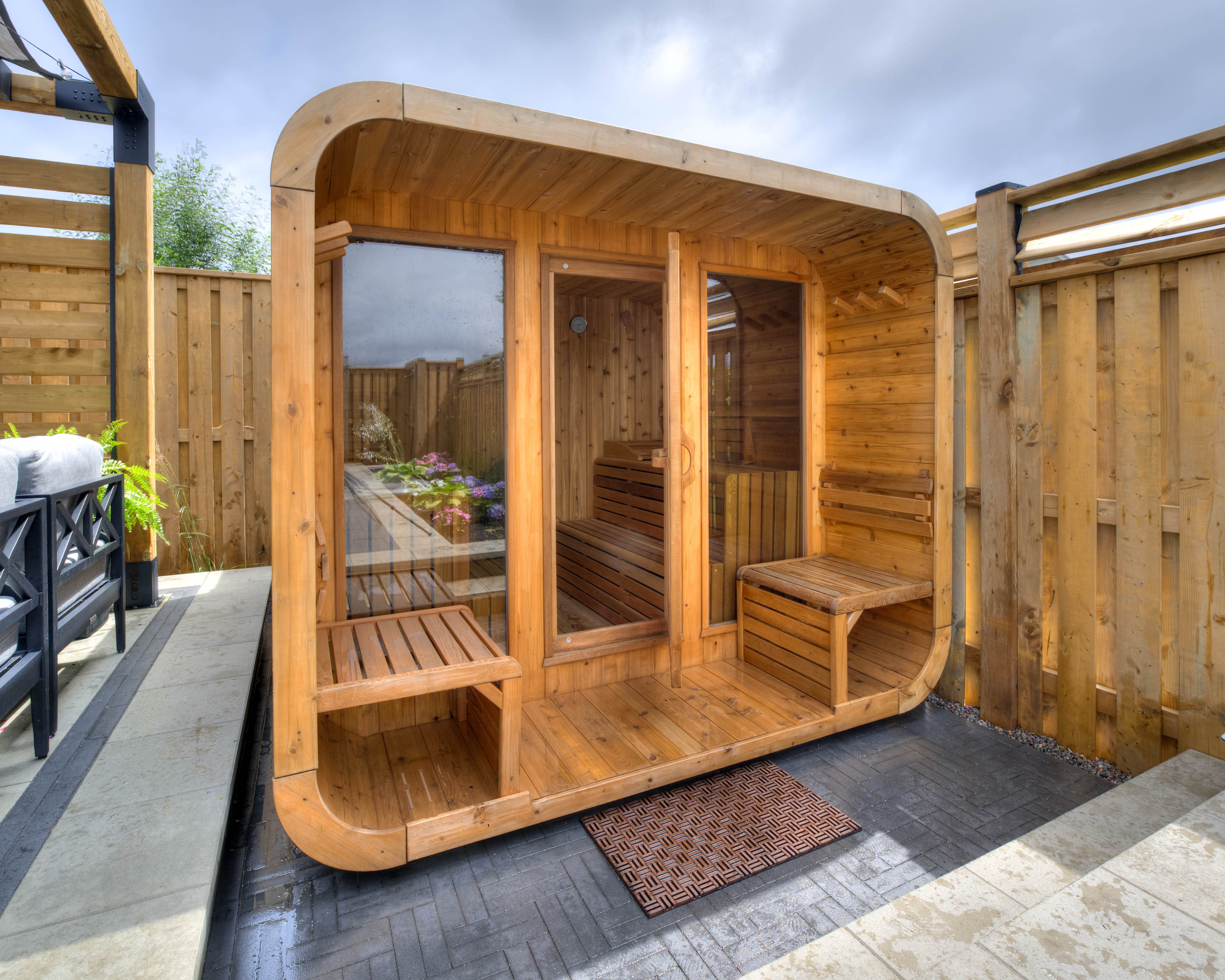
Before you begin, visualize your renovation. It’s crucial to see how ideas translate into reality, and modern tools make this easier than ever.
Benefits of 2D and 3D Design
2D and 3D design tools are amazing for planning. They let you see layouts and materials before any work begins. This visualization helps in making decisions and avoiding costly changes later on.
With 3D design, you can walk through your new space virtually, getting a feel for the flow and illumination. This technology provides peace of mind, ensuring that what you envision aligns with the final outcome. For more on how design can transform your space, read Renovation and Custom Home Projects.
Importance of a Comprehensive Lighting Plan
Lighting is often overlooked, yet it’s a critical component of design. It affects the mood, functionality, and appearance of your home.
Layering different types of lighting—ambient, task, and accent—creates a balanced and inviting atmosphere. Ambient lighting provides overall illumination, while task lighting is focused on specific areas like kitchen counters or reading nooks. Accent lighting highlights architectural features and artwork, adding depth to a room.
A well-thought-out lighting plan enhances every aspect of your renovation, making spaces more enjoyable and functional.
Transparent Communication and Project Management
The success of any renovation project hinges on clear communication. It ensures everyone is on the same page, reducing misunderstandings and delays.
Choose a contractor who values transparency and keeps you informed at every stage. Regular updates and open lines of communication build trust and confidence. Effective project management also means setting realistic timelines and budgets, ensuring that the project stays on track.
With the right team, your renovation journey will be smooth and rewarding, culminating in a space that truly feels like home.
Frequently Asked Questions
What is the most important step in a functional renovation?
Prioritizing your daily needs is crucial. By focusing on what frustrates you most, you can direct efforts to changes that will significantly improve your day-to-day life.
How can I make my kitchen more efficient?
Consider the work triangle layout for your stove, sink, and refrigerator. This setup minimizes unnecessary steps and enhances kitchen functionality.
Why should I use low-maintenance materials?
Low-maintenance materials save time on cleaning and upkeep, allowing you to enjoy your home more with less effort.
What are the benefits of 2D and 3D designs for renovations?
These tools allow you to visualize your space before construction begins, ensuring your ideas translate well into the final design.
How does universal design add value to a home?
Universal design makes homes accessible for all ages and abilities, adding long-term value by adapting to changing needs over time.
Tags: