
Build It Right: Why Drainage and Structure Belong in Every Landscape Plan
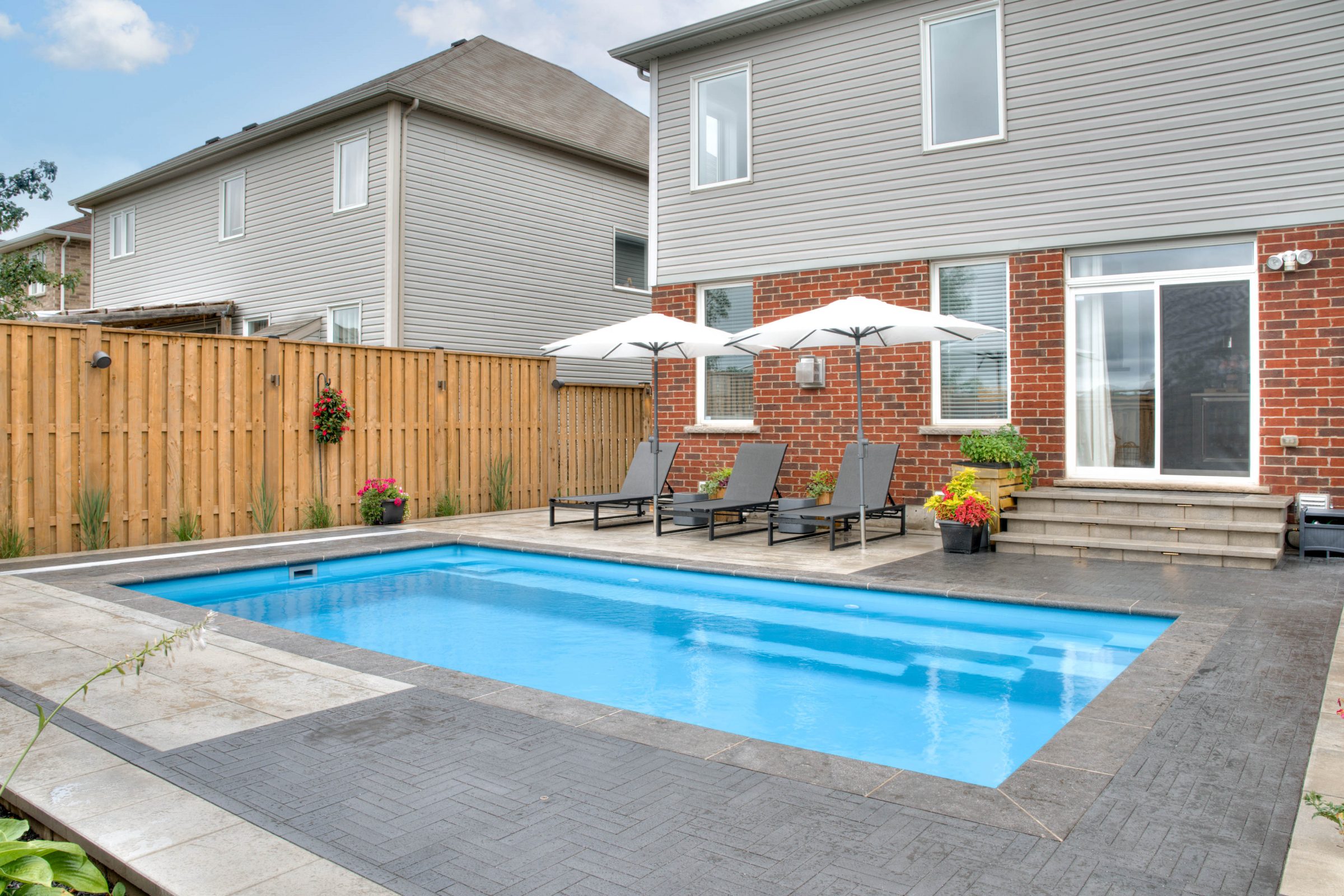
Water pooling and sinking patios aren’t just annoyances—they can ruin your outdoor space and cost a fortune to fix. Without proper landscape drainage and a solid structural base, even the best designs fall apart over time. We’ll show you how smart grading and base preparation protect your investment and keep your yard looking great for years.
Importance of Drainage in Landscaping
Proper drainage is crucial to maintaining your landscape’s integrity. Without it, you’re at risk of erosion and structural damage. Let’s look at how to manage water effectively in your yard.
Effective Water Management Techniques
Water control starts with smart design. Consider using a French drain or weeping tile to guide water away from your house. Grading and sloping your yard ensures water flows naturally downhill, reducing pooling. Swale design helps by creating shallow channels that redirect excess water. Another method involves extending downspouts to move water away from foundations. These strategies protect your home and landscape from water damage, enhancing your yard’s beauty and functionality.
Long-term Benefits of Proper Drainage
Good drainage isn’t just about avoiding problems. It improves your landscape’s health and longevity. By managing water runoff, you’ll prevent erosion and protect plant roots. This means lush gardens and stable hardscapes. Effective drainage also aids in frost heave prevention, ensuring patios and paths remain level and safe. Investing in these solutions now saves you from costly repairs later. Your yard becomes a worry-free zone, ready for any weather.
Common Drainage Issues and Solutions
Many homeowners face drainage challenges. Pooling water, soggy lawns, and leaky basements are common headaches. Installing permeable pavers can help. They allow water to pass through, reducing surface runoff. For yards with slopes, retaining wall drainage systems capture and redirect water efficiently. If you notice water pooling, act fast. Implementing a sump pump discharge management plan can prevent further damage. Learn more about landscape drainage to protect your space.
Structural Integrity in Landscape Design
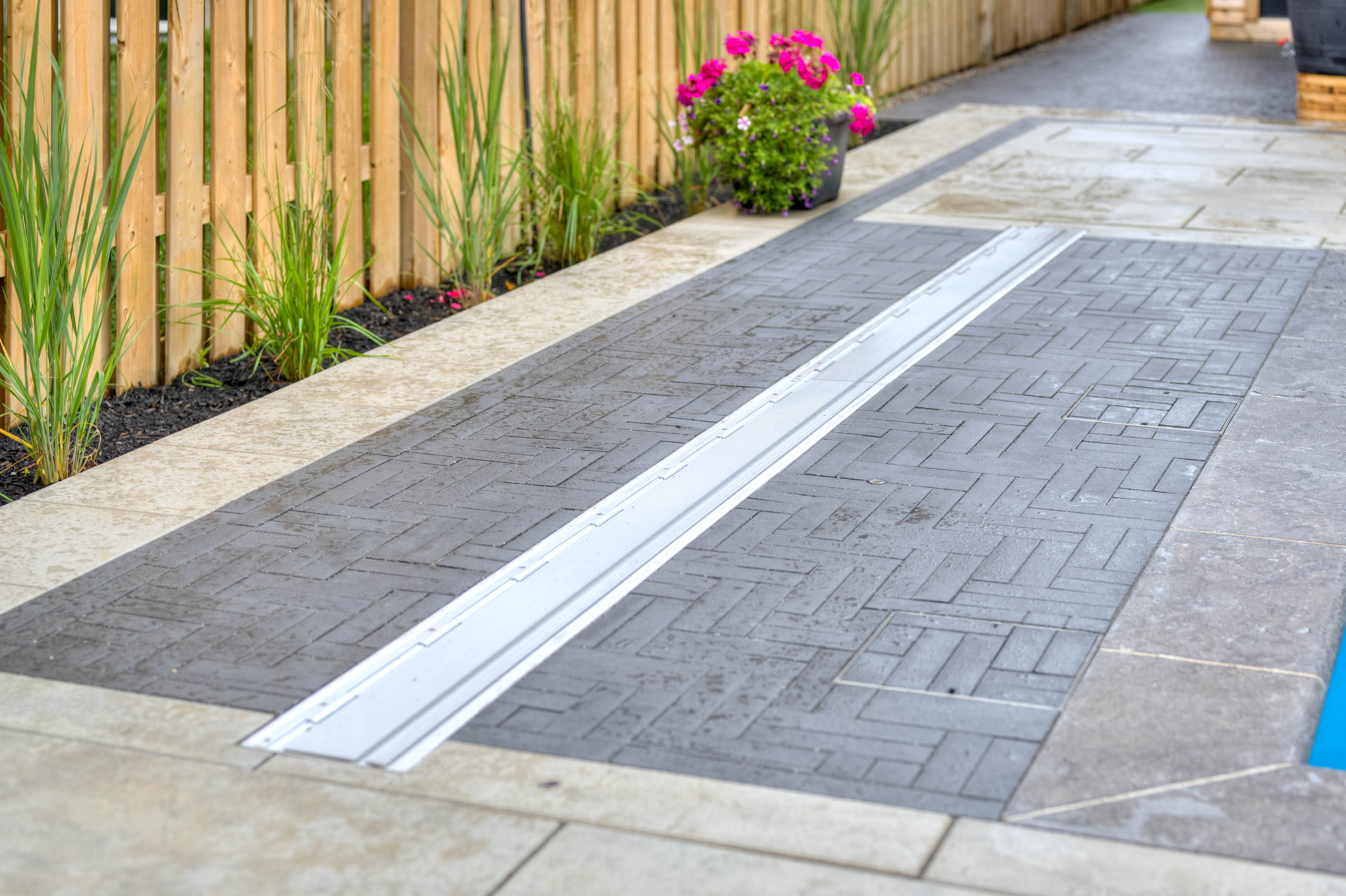
A strong structure underpins every successful landscape. Without it, beautiful design elements can quickly crumble. Let’s explore how to create a solid base for your outdoor projects.
Key Elements of a Solid Base
A well-prepared foundation begins with the right materials. Choose a structural base that supports your design, whether it’s for a patio, driveway, or wall. A crucial step is base preparation, which involves laying a compacted layer of gravel or stone. This layer distributes weight evenly and provides a stable surface for further construction. Always use geotextile fabric to separate soil layers and prevent shifting. This attention to detail ensures durability and longevity.
Importance of Soil Compaction and Grading
Compacting soil is vital for a stable foundation. It minimizes air pockets, preventing future settling or shifting. Soil compaction also supports proper grading, which is essential for drainage. By sloping soil away from structures, you direct water flow and reduce erosion. This technique is key for frost heave prevention, maintaining even surfaces year-round. Prioritizing these steps helps you avoid common pitfalls and ensures a lasting landscape.
Protecting Structures with Waterproofing
Adding a waterproof barrier is a smart way to safeguard your structures. Waterproofing protects against moisture, reducing the risk of leaks and damage. It’s particularly important in areas prone to heavy rainfall or flooding. Foundation protection is crucial, as water seeping into the ground can cause significant harm. Investing in quality waterproofing materials and techniques can save you from costly repairs down the line. For more insights, check out this guide on landscape construction benefits.
Comprehensive Landscape Planning
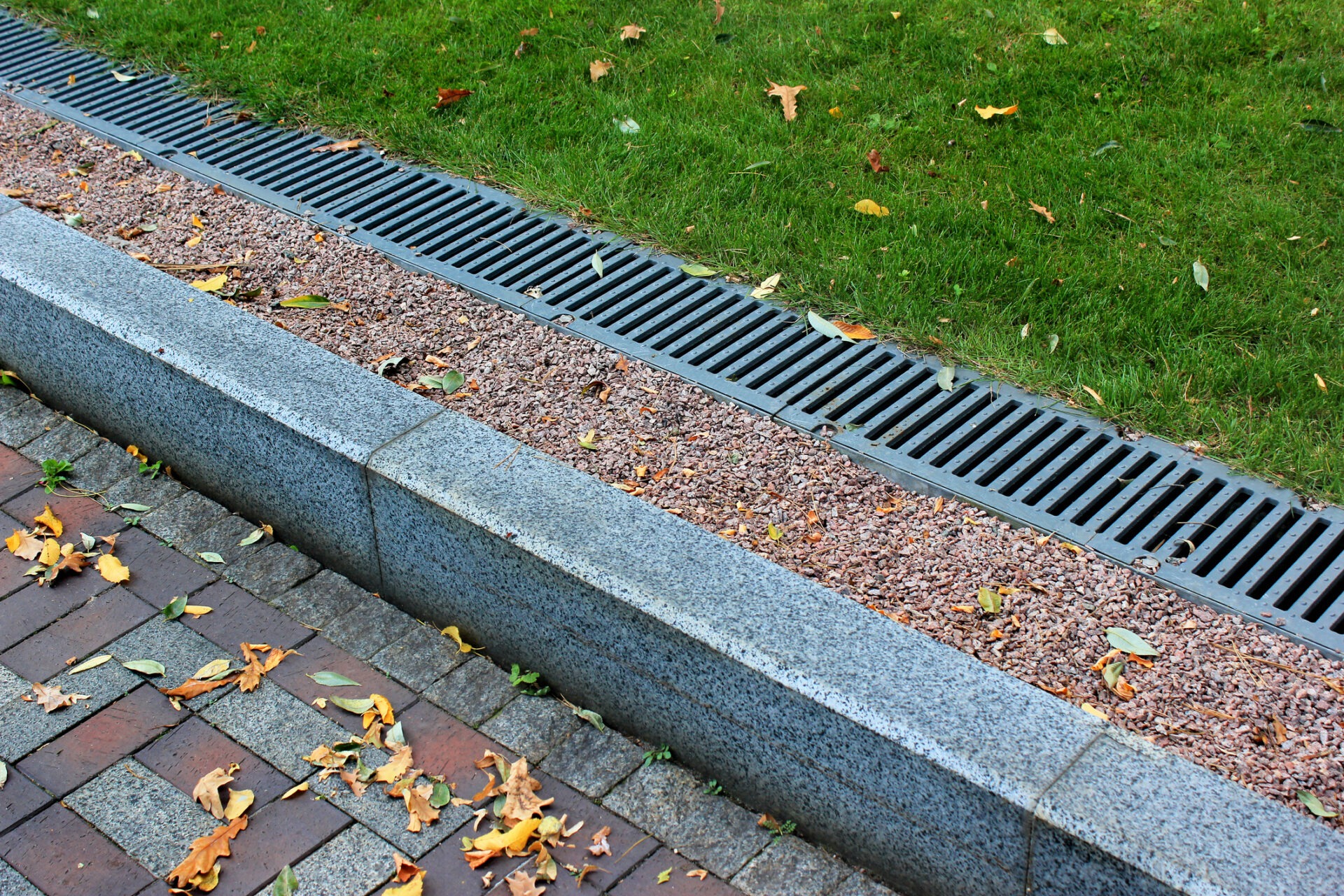
Planning your landscape comprehensively ensures that all elements work together harmoniously. From blueprints to building, let’s dive into creating a cohesive outdoor space.
The Role of 2D and 3D Design Plans
Visualizing your project is the first step to success. 2D and 3D design plans offer a clear picture of the final result. These plans help you understand how different elements interact. They also allow for adjustments before construction begins, saving time and resources. With detailed plans, you can see where each element fits, from plants to patios. This clarity streamlines the building process, ensuring a smooth project from start to finish.
Custom Stonework and Carpentry Integration
Integrating custom stonework and carpentry adds elegance and functionality to your landscape. Choose materials that complement your home’s style and meet your needs. Whether it’s a custom stone patio or a wooden pergola, these features enhance your outdoor living space. They also add value to your property. By working with skilled craftsmen, you’ll achieve a seamless blend of beauty and durability. For inspiration, explore custom stonework.
Trustworthy Execution and Oversight
Choosing the right contractor is crucial for a successful project. Look for a team that values communication, reliability, and quality. A contractor with a hands-on approach ensures every detail is executed to perfection. Trust in their expertise and oversight to bring your vision to life. You’ll enjoy peace of mind knowing your project is in capable hands. Read more about the role of grading and drainage in successful landscapes.
Frequently Asked Questions
How does proper drainage prevent erosion?
Proper drainage directs water away from vulnerable areas, reducing the risk of soil erosion. By managing runoff with systems like French drains or swales, you protect plant roots and maintain landscape integrity.
What is the role of soil compaction in landscape design?
Soil compaction minimizes air pockets and supports weight distribution. This process is crucial for creating a stable base, preventing future settling, and ensuring proper grading for water flow.
Why are 2D and 3D design plans important for landscaping projects?
These design plans offer a visual blueprint of the project, helping you understand how each element fits together. They allow for pre-construction adjustments, saving time and resources during the building phase.
Tags: