
Choosing Durable Materials for Your Outdoor Projects: Tips from the Experts

Choosing Durable Materials for Your Outdoor Projects: Tips from the Experts
Choosing durable materials for your outdoor projects can feel overwhelming. You want your landscaping to last through all seasons without constant repairs or replacements. That’s why knowing which materials stand up to Kitchener-Waterloo’s weather makes all the difference. In this post, you’ll get expert tips on selecting quality craftsmanship that keeps your outdoor space beautiful and strong for years to come. Learn more about selecting the right materials here.
Selecting Durable Materials
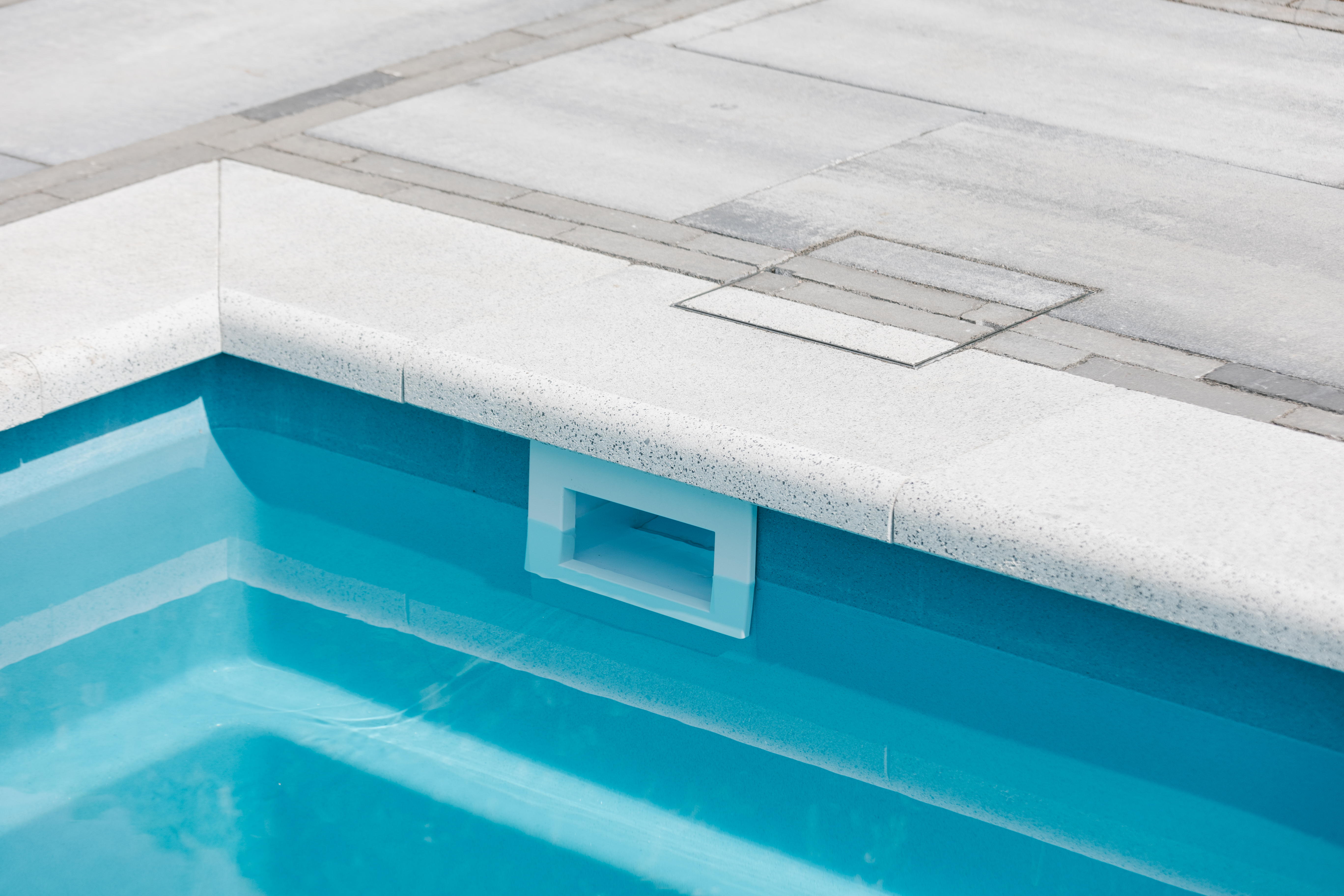
Selecting materials that withstand the test of time can transform your outdoor projects from mere ideas into lasting impressions. Let’s dive into the factors that determine material durability.
Understanding Material Durability
Durability is key in outdoor projects. It’s not just about looks—it’s about how long those looks can last. Weather, usage, and even local wildlife play roles in a material’s lifespan.
Think about how much sun, rain, or snow your area gets. Materials like cedar and composite decking are known for their resilience against these elements. Cedar naturally resists rot, while composites are made to endure without warping. Choose wisely, and you’ll save time and money on future repairs.
When considering durability, think long-term savings. Materials that last longer may have higher upfront costs, but they typically require less maintenance and replacement. Discover more about durable materials here.
Assessing Your Outdoor Environment
Your environment is unique. Understanding it can guide your material choices. Is your backyard shady or sunny? Is it wet or dry? The answers can affect how materials perform.
For shady areas, materials that resist mold are crucial. In sunny spots, UV-resistant options prevent fading. If your area is prone to moisture, look for materials that don’t swell or degrade. By matching materials to your environment, you ensure longevity and beauty.
Homeowners often overlook this step. But assessing your environment first means fewer surprises down the road. Learn about the best methods for creating durable spaces in this article.
Key Material Choices
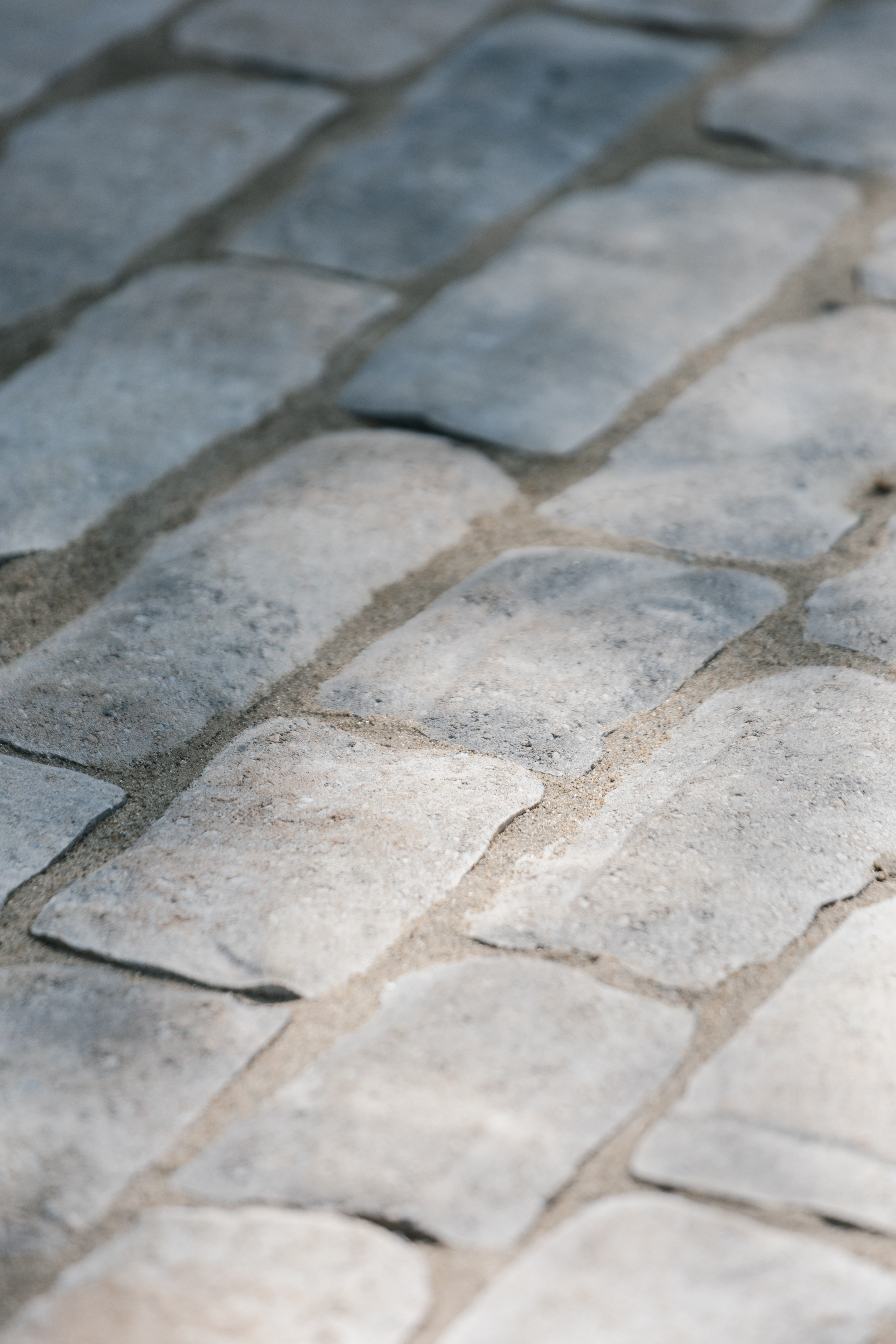
Now that you understand the basics of durability and your environment, let’s explore the main contenders for your projects. Choosing the right materials can set your outdoor space apart.
Wood vs. Composite Decking
When it comes to decking, the age-old debate persists: wood or composite? Each has its benefits and trade-offs.
Wood Decking: It offers natural beauty and warmth. Woods like cedar and redwood are popular because they resist rot. However, they require regular maintenance. Staining and sealing every couple of years are necessary to prevent decay and splintering.
Composite Decking: Made from a mix of wood fibers and plastic, composite is built to last. It’s resistant to rot, insects, and the harsh sun. Maintenance is minimal—just a simple wash now and then. Though it might lack the natural charm of wood, its durability often wins.
Consider both options. Think about how much maintenance you’re willing to do. If low maintenance appeals to you, composite might be your best bet.
Stone and Concrete Options
Stone and concrete can elevate any outdoor space. Their strength and versatility are unmatched, but there are differences to note.
Natural Stone: This option is timeless. It’s strong and can withstand weather changes. Each piece is unique, adding character to your space. Common choices include granite and limestone. However, installation can be labor-intensive.
Concrete: With advances in coloring and stamping, concrete can mimic stone at a fraction of the cost. It’s durable and easy to clean. Plus, its smooth surface is perfect for those who prefer a modern look.
Choosing between stone and concrete depends on your style and budget. For a natural look, stone might be ideal. If cost and ease are priorities, consider concrete. Find more insights on durable materials for outdoor spaces.
Expert Tips for Kitchener-Waterloo
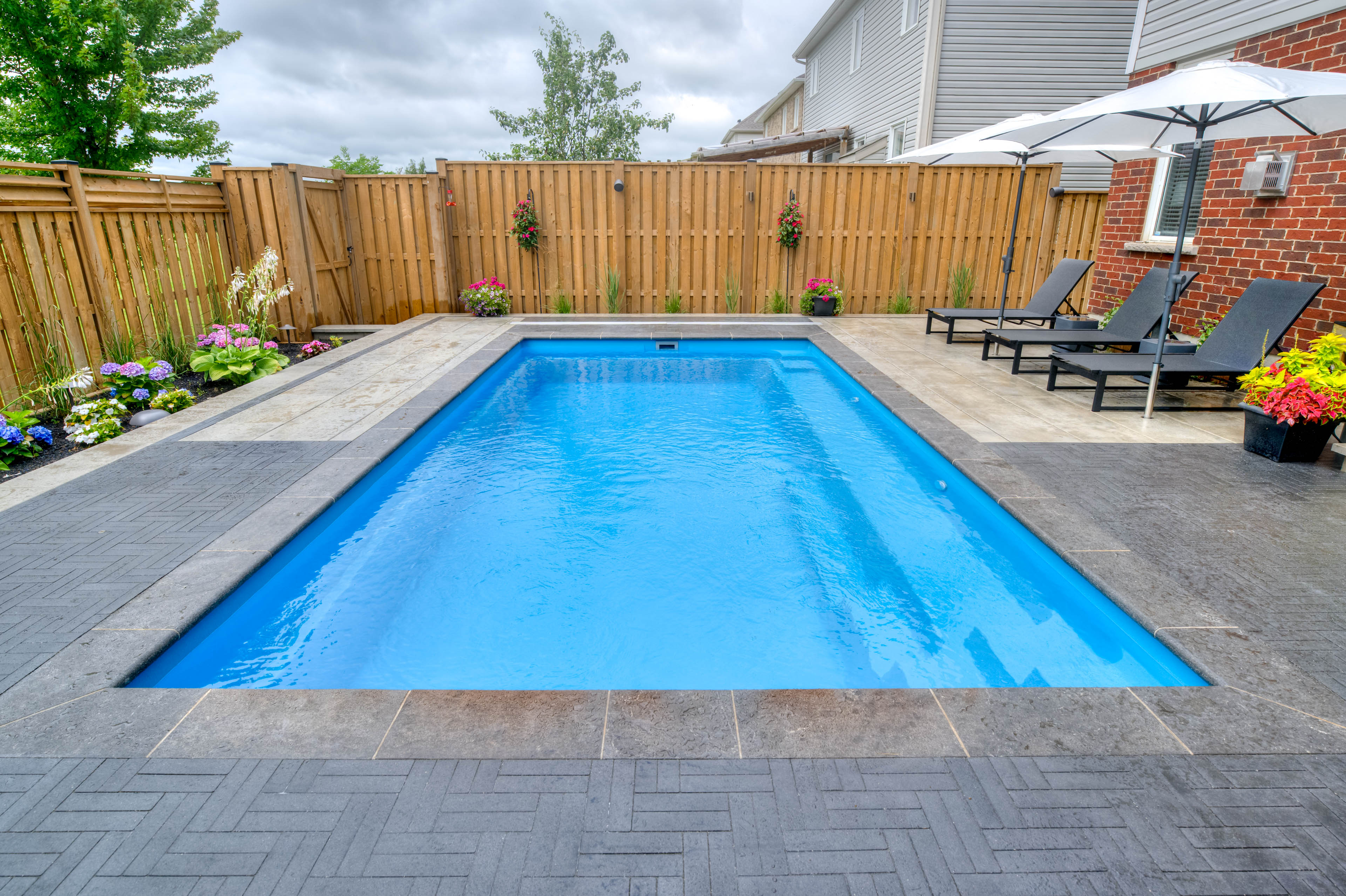
Living in Kitchener-Waterloo means dealing with specific weather patterns. Tailor your material choices to thrive in this environment.
Weather Considerations
Kitchener-Waterloo’s climate can be unpredictable. Summers can be hot and humid, while winters are cold and snowy. Choose materials that handle these extremes well.
Materials like composite decking and granite stone are excellent choices. They resist warping in heat and cracking in cold. Additionally, consider drainage. Proper drainage systems prevent water from pooling, which can damage materials over time.
Remember, the longer you wait to address weather impacts, the more costly repairs can become. Learn how to choose the right materials for your projects.
Maintenance and Longevity 🌟
Even the best materials need care to last. Regular maintenance can extend their life, keeping your space looking its best.
For wood, regular staining and sealing are essential. For concrete, a simple power wash can maintain its look. Composite decking requires minimal upkeep, making it a favorite for busy homeowners.
Here’s the key insight: Maintenance is not just about preserving looks; it’s about saving money long-term. Regular care prevents big repairs and replacements.
In the end, choosing durable materials and maintaining them well ensures your outdoor projects remain stunning for years. Enjoy the peace of mind that comes with quality craftsmanship and thoughtful choices.