
Choosing Outdoor Construction Materials That Last in Kitchener-Waterloo
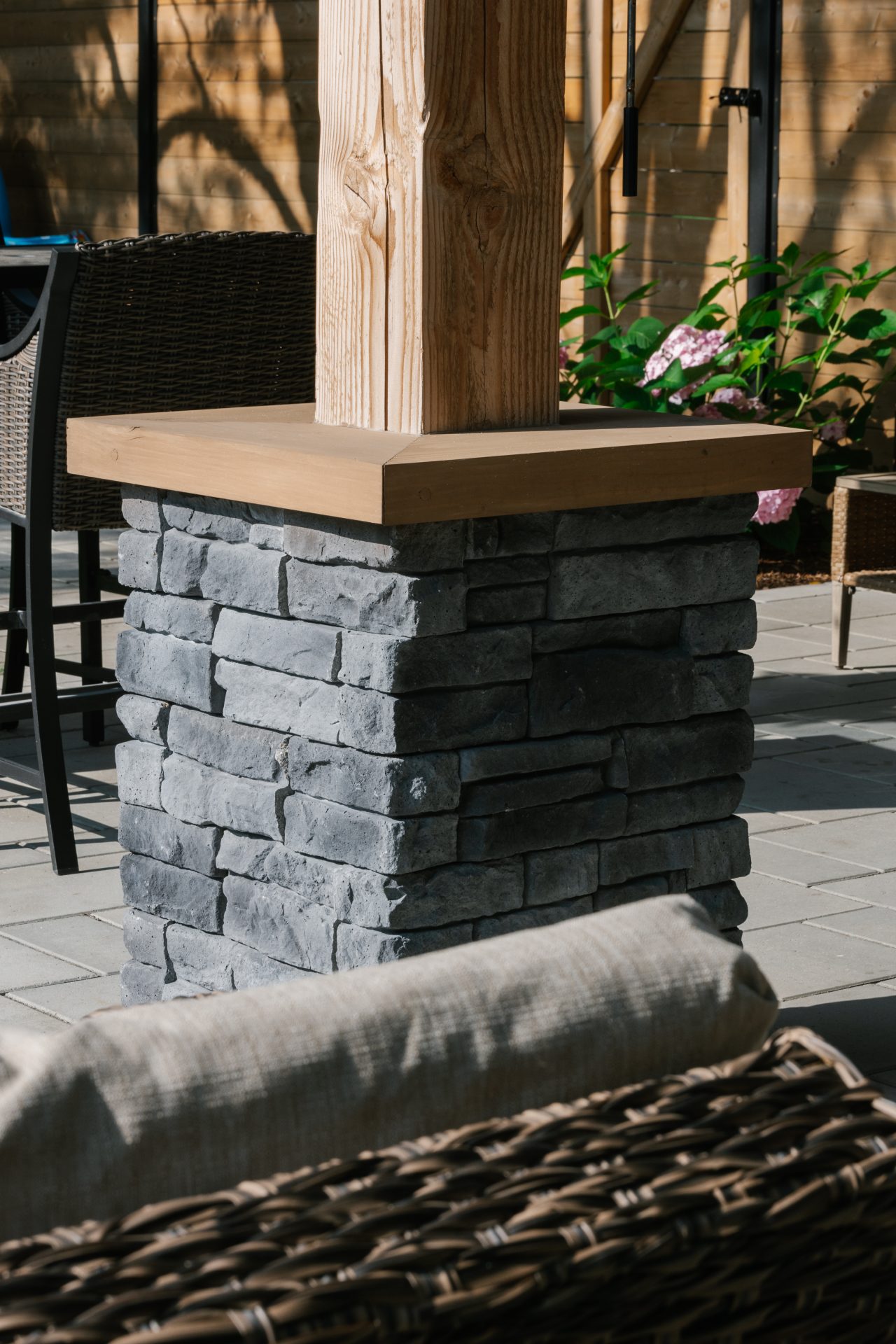
You’ve probably seen outdoor projects start strong but fail after the first harsh winter. Choosing the right outdoor construction materials makes all the difference in Kitchener-Waterloo’s freeze-thaw climate. We’ll walk you through durable patio materials that stand up to heavy use and weather, so your outdoor space stays beautiful for years. Keep reading to learn what sets lasting materials apart and how to get the most from your investment. Learn more about weather-resistant materials for outdoor spaces here.
Selecting Durable Patio Materials
When planning outdoor spaces, picking materials that withstand our local climate is crucial. Let’s dive into what makes certain patio materials more durable than others.
Freeze-Thaw Resistant Pavers
Freeze-thaw resistant pavers are essential for our area. They handle Kitchener-Waterloo’s cold winters without cracking. Look for pavers specifically rated for freeze-thaw cycles. These pavers expand and contract with the temperature changes, reducing the risk of damage.
Dense materials, like clay or concrete, are often more resistant to cold weather. Combining these with polymeric sand can prevent water from seeping between the seams, providing extra protection. By investing in the right pavers now, you’ll avoid costly repairs later.
Natural Stone vs Concrete Pavers
Both natural stone and concrete pavers have their advantages. Natural stone offers a timeless look and can last for decades. Stones like granite and slate are particularly tough, making them ideal for outdoor use.
Concrete pavers, on the other hand, are more affordable and come in various styles. They can mimic the appearance of natural stone at a fraction of the cost. While they might require more maintenance, they offer flexibility in design and installation. Whether you choose stone or concrete, the key is selecting high-quality materials that suit your budget and aesthetic preferences.
Building Long-Lasting Decks
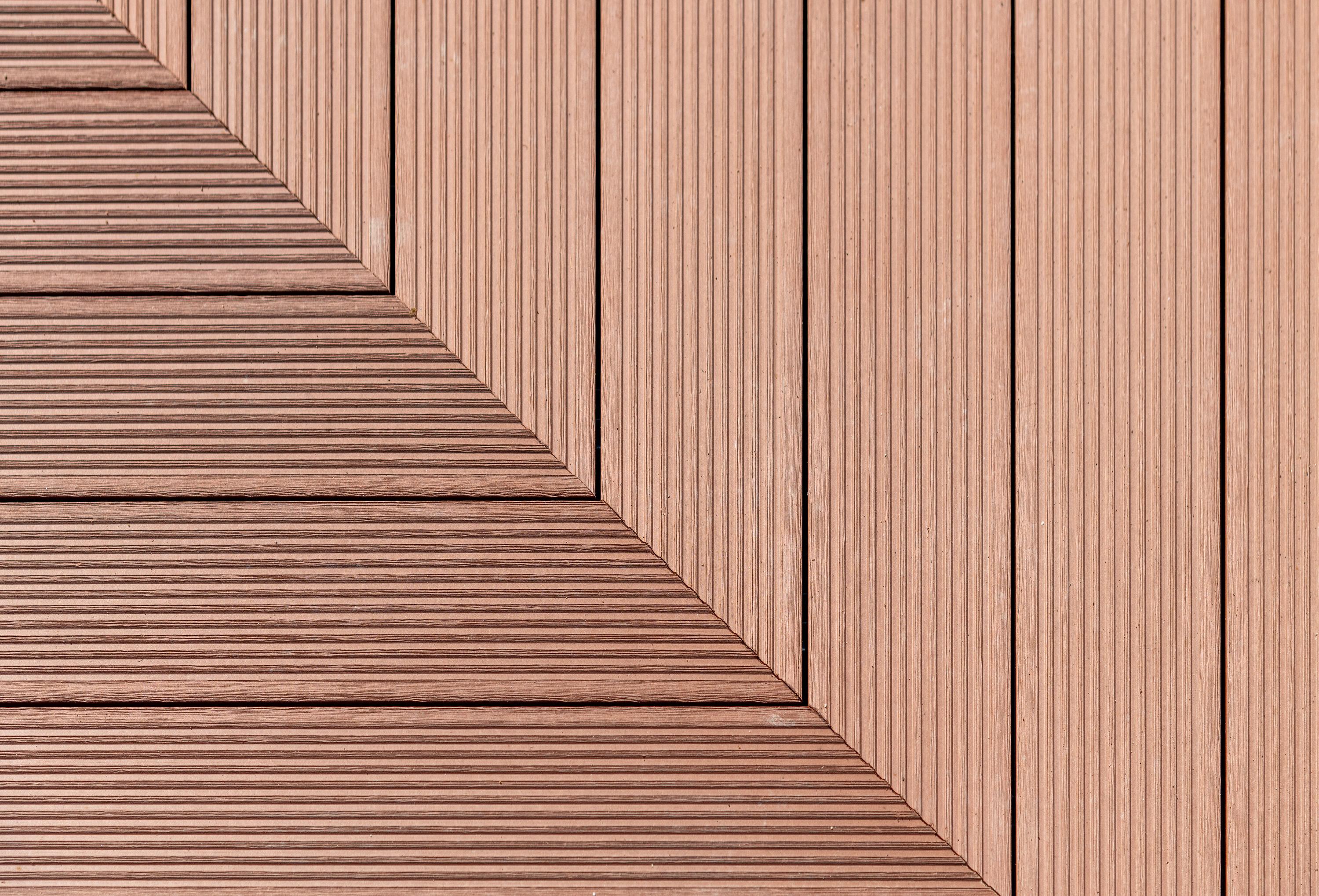
The right decking materials create outdoor spaces that stand the test of time. Let’s compare popular decking options to find what works best for you.
Composite Decking vs Wood
When choosing between composite decking and wood, consider maintenance and longevity. Composite decking is a blend of wood fibers and plastic, offering durability and minimal upkeep. It won’t rot or warp and resists fading and staining.
Wood, such as cedar or redwood, brings a natural charm but requires regular sealing and staining to keep it looking good. Over time, wood can crack or splinter. Composite may cost more initially, but it saves time and money in the long run by reducing maintenance needs.
Importance of Stainless Steel Fasteners
Using stainless steel fasteners is key to building a deck that lasts. These fasteners resist rust and corrosion, even in wet conditions. They’re crucial for maintaining the structural integrity of your deck over time.
Galvanized hardware is an alternative, but stainless steel offers superior durability. Choosing the right fasteners ensures your deck remains safe and secure, protecting your investment and enhancing your outdoor living space.
Retaining Walls and Base Preparation
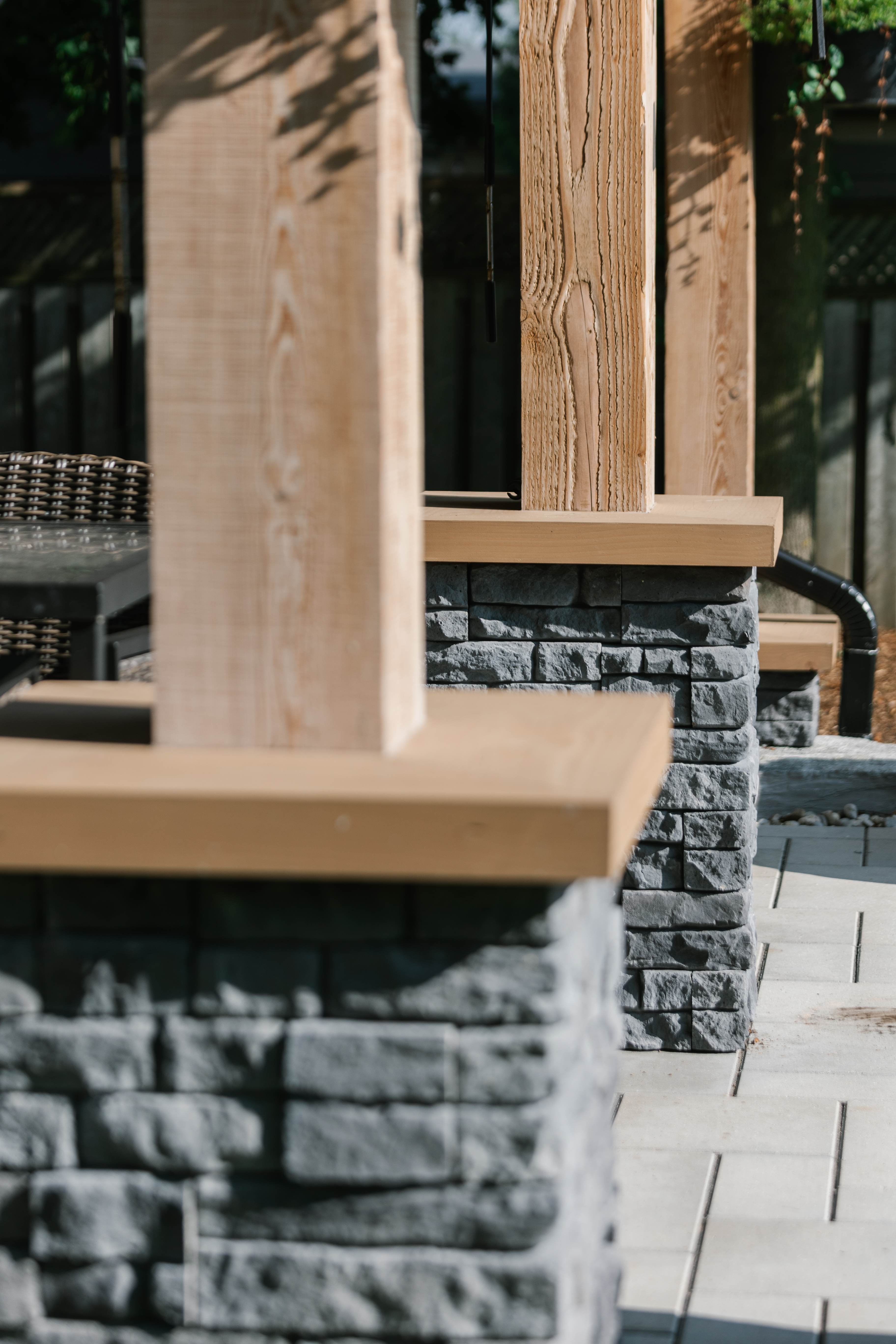
Retaining walls require careful planning and execution. Here’s how to build walls that stand strong and serve their purpose.
Proper Base Preparation Techniques
A well-prepared base is the foundation of a sturdy retaining wall. Start with a deep trench, filled with compacted gravel. This ensures stability and prevents shifting. Proper base preparation is vital for preventing future problems, like leaning or collapsing walls.
Use a level to ensure each layer is flat and even. This attention to detail ensures the wall remains structurally sound and visually appealing for years to come.
Drainage for Patios and Driveways
Drainage is another crucial factor in outdoor construction. Without proper drainage, water can pool and cause damage. Install a drainage system to redirect water away from patios and driveways. This prevents erosion and maintains the integrity of your project.
Consider incorporating features like French drains or perforated pipes. These solutions help manage excess water, keeping your outdoor spaces dry and safe. Prioritizing drainage not only protects your investment but also enhances the functionality of your outdoor areas.
Frequently Asked Questions
What materials are best for withstanding freeze-thaw cycles?
Freeze-thaw resistant pavers made from dense materials, such as clay or concrete, are ideal. They expand and contract with temperature changes, reducing the risk of cracking and damage.
How do I choose between natural stone and concrete pavers?
Natural stone offers a timeless look and durability, while concrete pavers are more affordable with various design options. Consider your budget, aesthetic preferences, and maintenance willingness when deciding.
Why are stainless steel fasteners important for decking?
Stainless steel fasteners resist rust and corrosion, ensuring your deck remains structurally sound over time. They provide superior durability compared to other types of hardware.
What is the key to building a strong retaining wall?
Proper base preparation is essential. A deep trench filled with compacted gravel provides stability and prevents shifting, ensuring the wall remains safe and durable.
How can I improve drainage for my patio or driveway?
Installing a drainage system, like French drains or perforated pipes, helps redirect water away from these areas, preventing erosion and maintaining the integrity of your construction.
Tags: