
Drainage and Structure: The Backbone of Lasting Landscape Construction
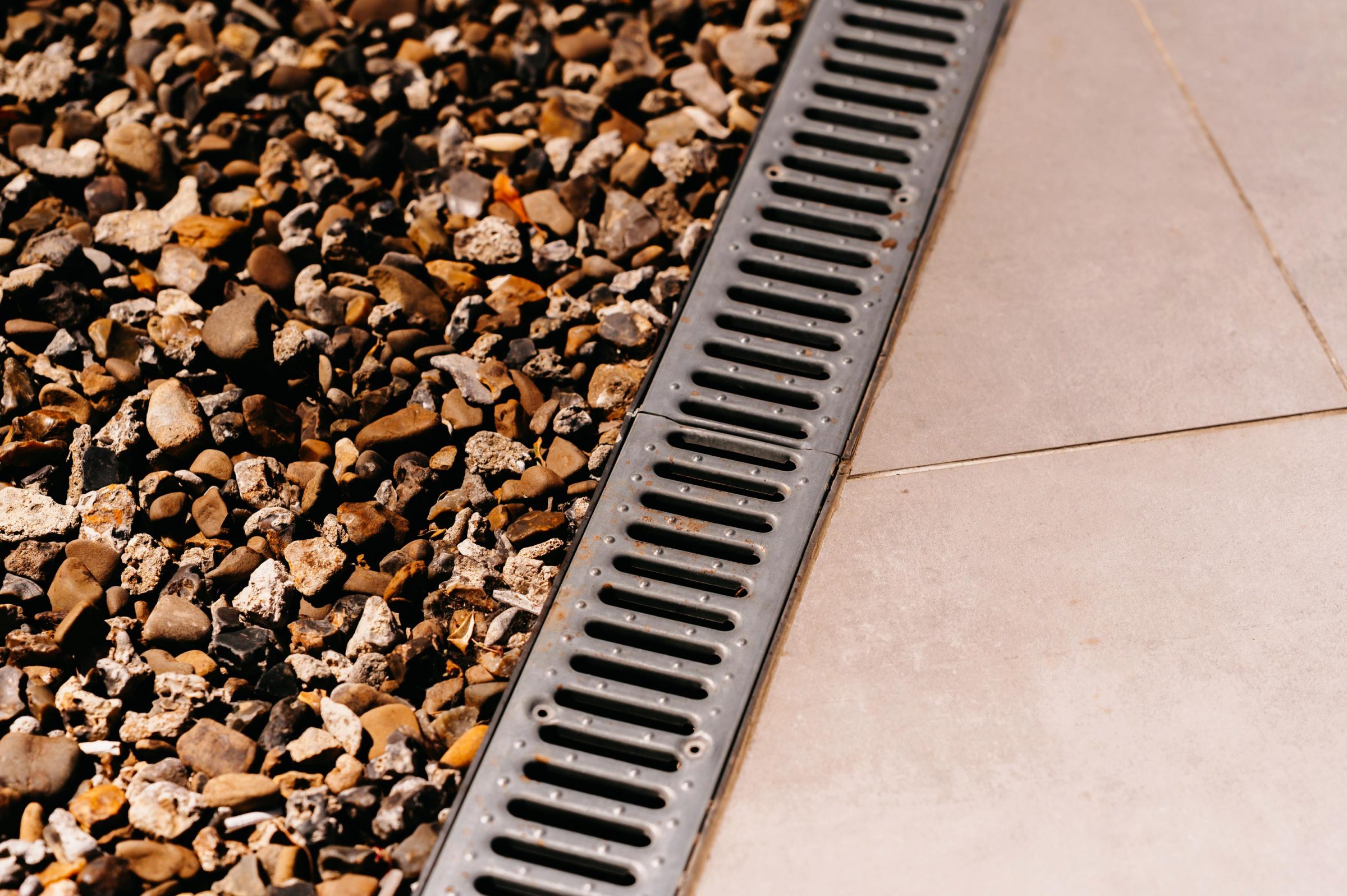
Drainage problems and unstable structures often show up years after your landscape is finished. Ignoring proper landscape drainage Kitchener means risking costly repairs and unsafe outdoor spaces. At Array Contracting Services, we focus on solid grading, base prep, and smart water management to keep your yard strong and beautiful for the long haul. Let’s explore why getting these details right saves you headaches down the road.
Importance of Drainage and Structure
Building a landscape that lasts starts with understanding the critical role of drainage and structure. These elements ensure not only the beauty but also the functionality of your outdoor space.
Preventing Backyard Water Problems
Water issues can turn your beautiful yard into a swampy mess. Proper drainage systems help manage excess water, protecting your home and garden. When rainwater isn’t directed away, it can cause soil erosion and damage plant roots. You might even face water logging, which can lead to foundation issues. By installing solutions like French drains or weeping tiles, you safeguard your property. These systems carry excess water away, keeping your yard dry and plants healthy.
Grading and Drainage Essentials
Grading is more than just leveling soil; it’s a strategic approach to prevent pooling water. The slope of your yard should direct water away from structures. Without proper grading, even a light rain can create puddles that damage your landscape over time. Grading and drainage in Waterloo mean crafting a landscape that naturally protects itself. A well-graded yard paired with effective drainage systems gives you peace of mind and a gorgeous, functional space year-round.
Erosion Control Techniques
Combatting erosion is key to maintaining your landscape’s integrity. Erosion wears away soil, leaving your garden uneven and plants exposed. To prevent this, techniques like using mulch or planting ground cover plants can be effective. These methods shield the soil from rain impact. For more severe cases, installing retaining walls or terraces might be necessary. These structures## Importance of Drainage and Structure
Solid drainage and structure form the backbone of any landscape. Without these, your yard may face water issues and instability that are costly to fix.
Preventing Backyard Water Problems
Water issues can turn your yard into a mushy mess. By directing water away from key areas, you avoid these headaches. A well-designed drainage system keeps water from pooling. This not only protects your plants but also prevents damage to walkways and patios. A proper drainage system is crucial for maintaining a safe and beautiful outdoor space.
Grading and Drainage Essentials
Grading is about shaping the land to guide water flow. Proper grading ensures rainwater moves away from your home, not into it. This simple step can save you from water damage. Drainage systems like French drains and weeping tiles are options that help handle excess water efficiently. They work well in preventing flooding and soil erosion.
Erosion Control Techniques
Erosion can chip away at your landscape’s beauty and integrity. Techniques like installing retaining walls and using specific plants can hold soil in place. Retaining walls not only prevent soil from slipping but also add character to your space. Using mulch and ground cover plants can also reduce erosion by shielding the soil from heavy rain.
Building a Reliable Landscape
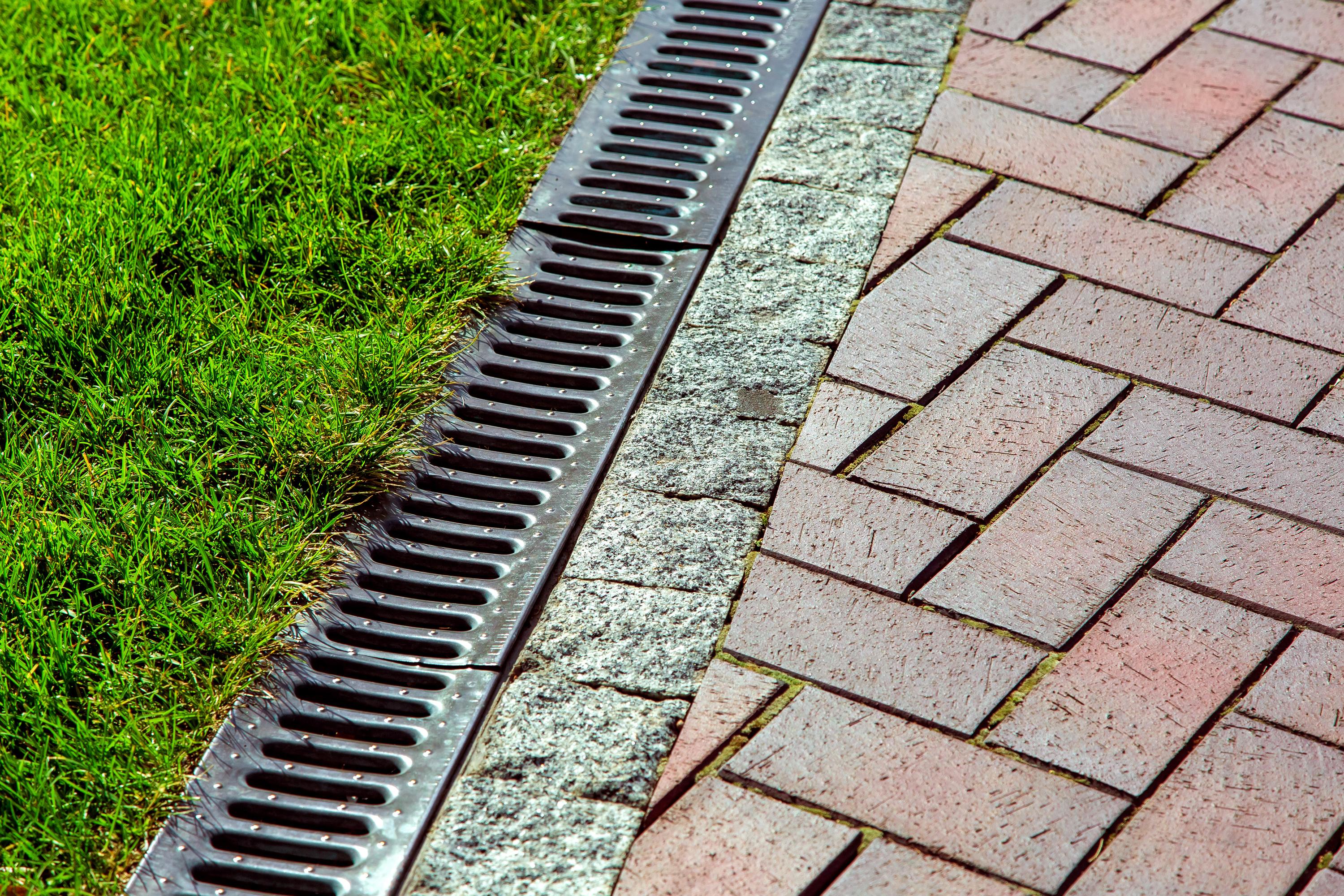
Creating a solid landscape means focusing on details that matter. From the base under your patio to the structure of your retaining walls, each element plays a role.
Patio Base Preparation Tips
The foundation of your patio matters more than you think. A well-prepared base keeps your patio level and durable. Start by excavating the area to the proper depth. Use a geotextile fabric to prevent weeds and ensure stability. Add layers of aggregate, compacting each one. This step-by-step approach guarantees a patio that won’t shift or sink over time.
Retaining Wall Construction Insights
Retaining walls do more than hold back soil; they also enhance your yard’s look. Proper construction starts with selecting the right materials, like natural stone or manufactured blocks. Each type offers distinct benefits, from the natural appeal of stone to the precision of concrete blocks. Reinforced stability is key to a wall that stands the test of time. The right wall can prevent erosion while adding structural beauty to your landscape.
Understanding Aggregate Compaction
Compact aggregates create a solid foundation for any outdoor feature. Compaction ensures that the base will support weight without shifting. The process involves compacting layers of stones and sand, which helps prevent frost heave and other issues. A well-compacted base is essential for everything from driveways to retaining walls.
Enhance Your Outdoor Space
Beyond functionality, your landscape should reflect your style and needs. Design and customization options let you create a space you love.
2D and 3D Landscape Design
Visualizing your project before it begins is important. 2D and 3D designs offer clear views of your future landscape. These plans help you see how different elements come together. Using these tools ensures the final result matches your vision, removing guesswork and surprises.
Custom Stonework Options
Stonework adds elegance and durability to any outdoor space. Whether it’s a patio, walkway, or retaining wall, custom stonework can make your landscape truly unique. Options like flagstone, cobblestone, and granite provide both beauty and function. Stone features work well in both modern and traditional designs.
Scheduling Your Consultation
Ready to transform your outdoor space? Scheduling a consultation with our team is the first step. We’ll assess your yard, discuss your vision, and plan a project that meets your needs. From addressing drainage issues to building a stunning patio, our approach ensures a landscape you’ll enjoy for years.
Frequently Asked Questions
What is the best way to prevent water problems in my backyard?
The best approach is to install a proper drainage system, like French drains or weeping tiles, to direct water away from key areas.
How can I ensure my patio stays level over time?
Preparing a solid base with layers of compacted aggregate and using a geotextile fabric will help keep your patio level and durable.
What materials are best for retaining walls?
Both natural stone and manufactured concrete blocks work well. Natural stone offers a classic look, while concrete blocks provide precision and stability.
Why is grading important in landscape design?
Grading shapes the land to guide water flow, preventing water damage to your home and landscape.
How can I visualize my landscape project before starting?
Using 2D and 3D design plans helps you see the layout and details of your future landscape, ensuring the outcome matches your vision.
Tags: