
Drainage First: Plan Water Flow Before You Landscape
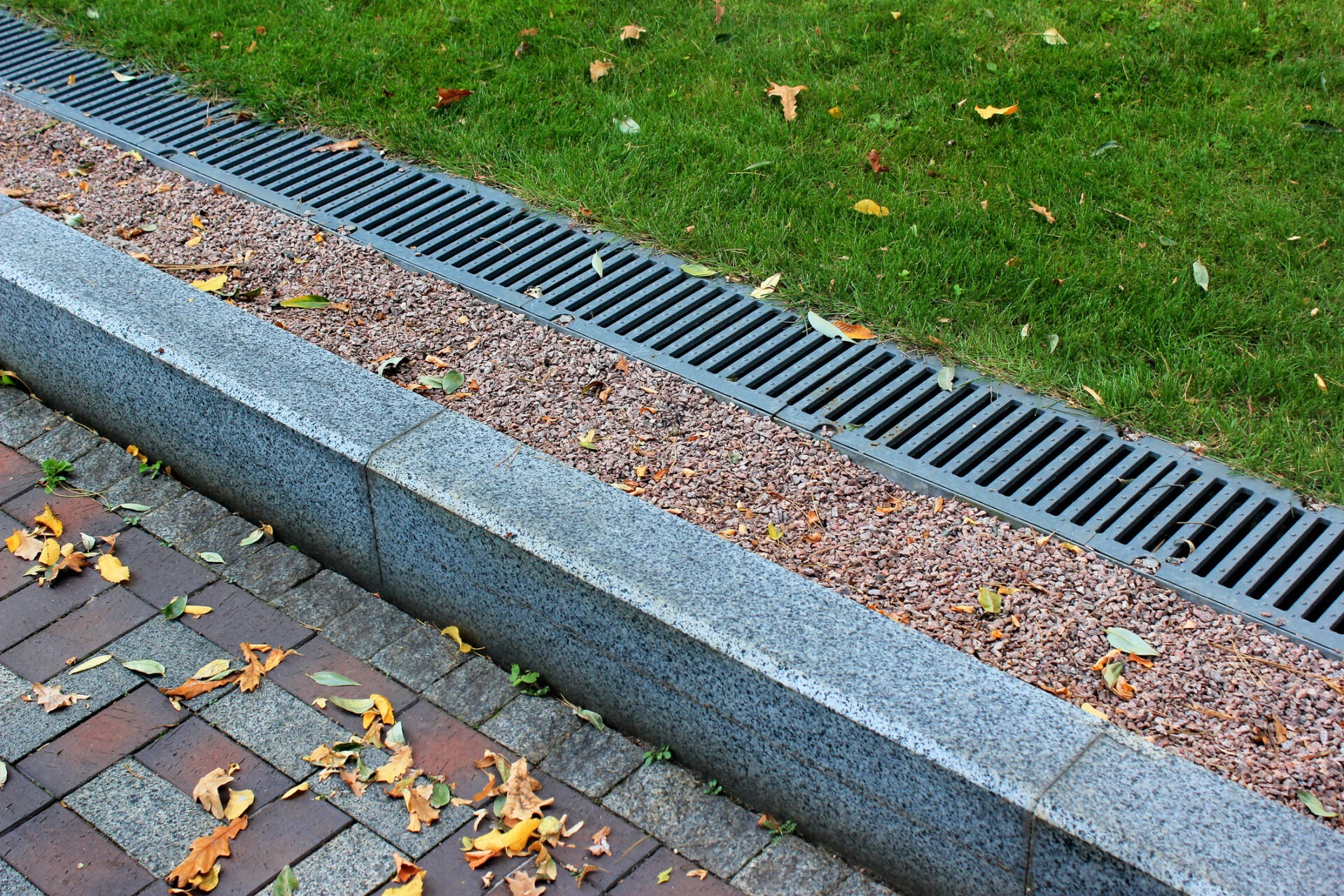
Drainage problems can turn your dream yard into a headache fast. Water pooling near your foundation or soggy patches in your lawn won’t fix themselves. That’s why proper drainage planning must come first—it protects your home and sets the stage for lasting landscaping success. Keep reading to see how a smart grading plan and expert drainage solutions can save you time, money, and worry. For more information, you can check out this guide on landscape drainage.
Importance of Drainage Planning
Water can be both friend and foe to your yard. Understanding how to guide it effectively can save costly repairs and frustrations later on.
Preventing Water Pooling Issues
Water pooling in your yard isn’t just annoying; it can damage your lawn and invite pests. Imagine stepping into your yard and feeling a squish underfoot. Not ideal, right? To prevent this, it’s crucial to manage water flow from the start. A proper drainage system ensures water is directed away from areas where it can cause harm.
Consider a French drain, which is a simple yet effective solution to channel water away from trouble spots. As excess water is redirected, your lawn stays dry and healthy. Using techniques like grading and swales, you can maintain a beautiful and functional outdoor space. The key is understanding how water behaves and planning accordingly.
Protecting Foundations from Damage
Your home’s foundation is its backbone. Water pooling near it can lead to cracks and structural problems. Protecting your foundation begins with keeping water at bay. This involves directing rainwater away from the house through gutters and downspouts. Also, ensure the ground slopes away from your home, providing a natural path for runoff.
A well-designed drainage plan considers all these factors, helping to preserve the integrity of your foundation. With proper drainage, you not only safeguard your home but also increase its longevity and value.
Key Components of a Grading Plan

To achieve effective drainage, a well-thought-out grading plan is essential. This plan dictates how water flows across your property.
Understanding Soil Grading Techniques
Soil grading is the art of shaping the ground to guide water flow. It’s not just about creating slopes; it’s about creating the right slopes. A slight incline away from your home can make all the difference. But it’s not just about slopes. You need to understand soil types and their absorption rates.
Some soils drain well, while others hold onto water, creating potential problems. Knowing the difference helps you plan more effectively. By adjusting the grade and using the right mix of soil, you can ensure efficient water runoff. This knowledge empowers you to make informed decisions that benefit your landscape.
Effective Use of French Drains and Swales
French drains and swales are two powerful tools in water management. A French drain is a gravel-filled trench with a perforated pipe that redirects water. It’s perfect for areas where water tends to gather. Swales, on the other hand, are shallow ditches that guide water to a desired location.
Both options help manage water without disrupting the beauty of your yard. They work by collecting and moving water efficiently, preventing erosion and waterlogging. By incorporating these features into your drainage plan, you create a landscape that balances aesthetics and function.
Benefits of Professional Drainage Design
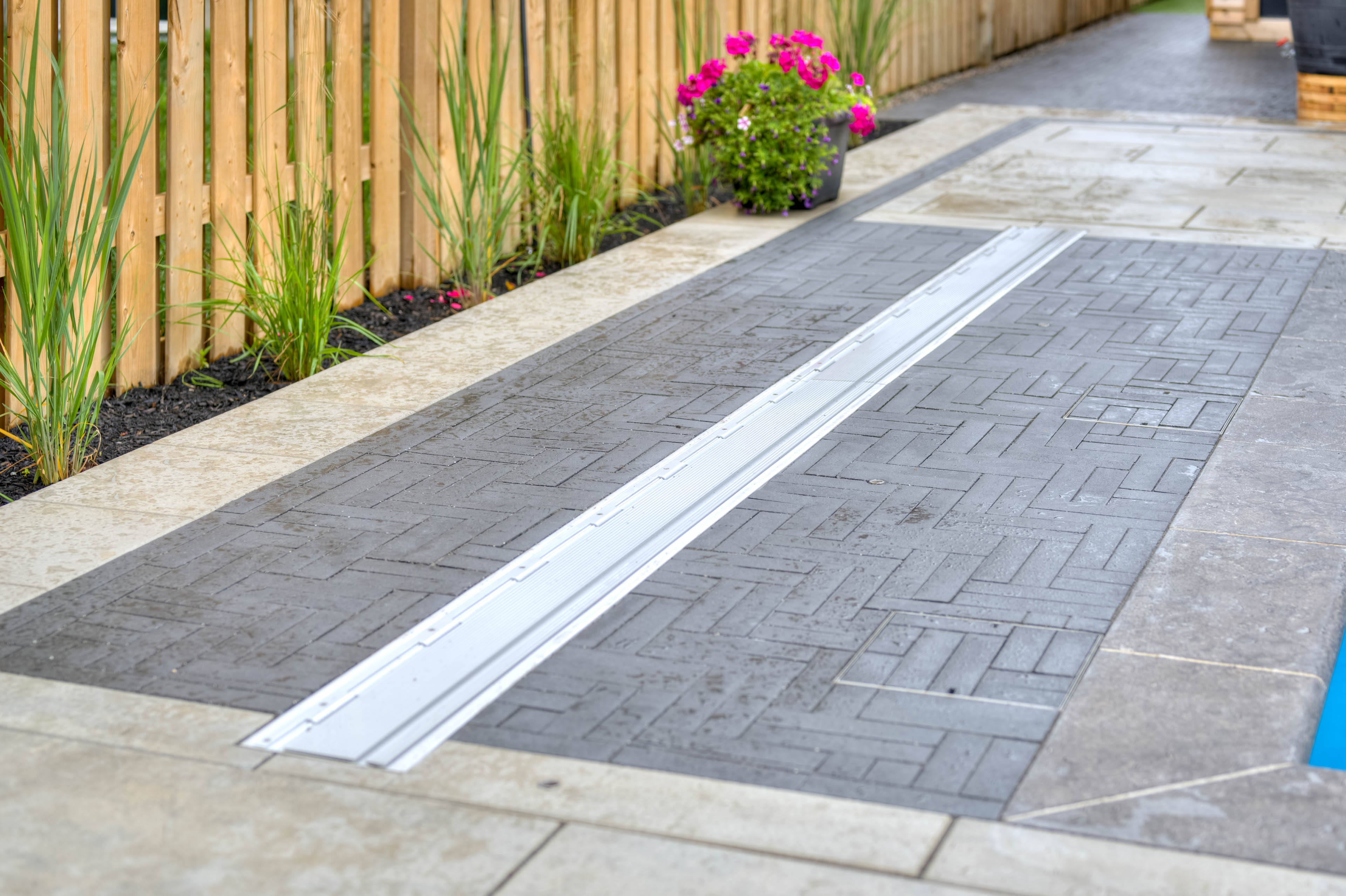
Hiring a professional to design your drainage system ensures all aspects are covered, from planning to execution.
Customized 2D and 3D Design Options
Visualizing your drainage plan is easier with 2D and 3D designs. These plans provide a clear picture of how your yard will look and function. You can see where drains will be placed and how water will flow. This clarity helps prevent surprises during installation.
Professionals use these tools to tailor solutions specific to your property’s needs. By seeing the plan before work begins, you can make adjustments as needed, ensuring satisfaction with the final result. This approach not only saves time but also reduces the likelihood of costly mistakes.
Trusting a Local Landscape Contractor in Kitchener-Waterloo
Choosing a local expert for your drainage needs ensures personalized service. A contractor familiar with Kitchener-Waterloo understands local weather and soil conditions. This knowledge translates into better, more effective solutions.
Local professionals bring experience and accountability to your project. With a solid reputation in the community, they offer peace of mind. By trusting a local contractor, you guarantee a smooth process from start to finish. Remember, the longer you wait, the more damage water can cause. Taking action now protects your investment for the future.
Frequently Asked Questions
What is the main purpose of a grading plan?
A grading plan is designed to direct water flow efficiently across your property. It prevents water pooling and protects your home by ensuring proper drainage away from foundations.
How do French drains work?
French drains collect and redirect water away from problem areas. They consist of a gravel-filled trench with a perforated pipe that channels water to a safe location.
Why hire a local contractor for drainage design?
Local contractors understand regional soil and weather conditions. They can provide tailored solutions and ensure high-quality, reliable service, backed by a strong community reputation.
Can poor drainage affect my home’s foundation?
Yes, poor drainage can lead to water pooling around your home’s foundation. This increases the risk of cracks and structural damage over time.
What are the benefits of using 2D and 3D design plans?
These design plans provide a clear vision of your project’s outcome. They help in making informed decisions, ensuring the final result meets your expectations and functions effectively.
Tags: