
Drainage First: The Hidden Foundation of Every Great Hardscape in Kitchener-Waterloo
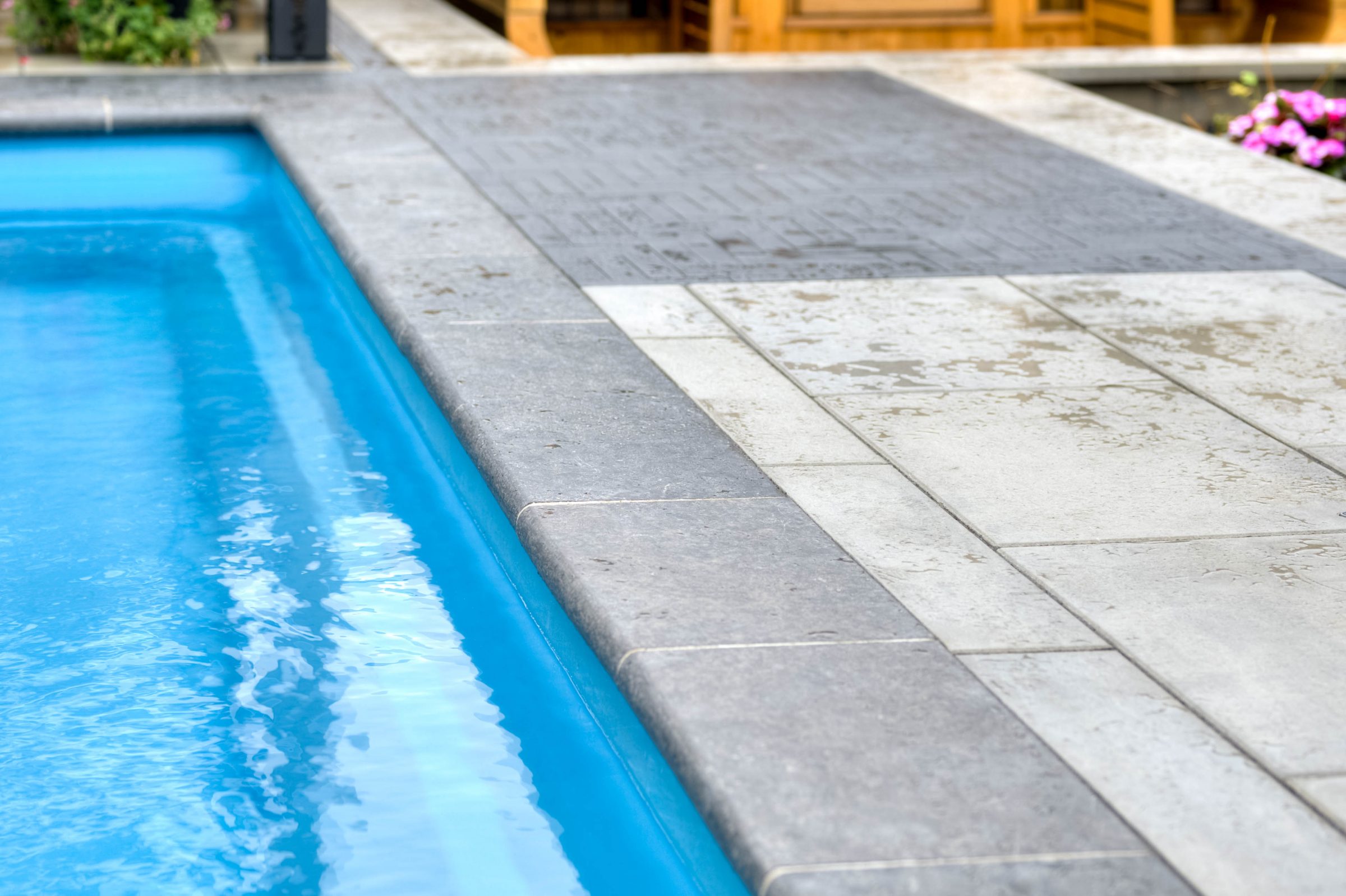
Drainage often hides behind the scenes, yet it’s the backbone of every lasting hardscape in Kitchener-Waterloo. Without a solid drainage plan, your patio or retaining wall can face costly damage and frustration down the road. We’ll show you why smart hardscape drainage is not just an option—it’s a must for your next project. Book your on-site consultation and drainage assessment today to get a clear plan that protects your investment. For more insight, check out this article on the importance of proper yard drainage.
Importance of Hardscape Drainage
Hardscape drainage ensures the longevity of your outdoor spaces. Let’s explore how it protects your investment and keeps your landscape looking beautiful.
Essential Patio Drainage Solutions
Patios require proper drainage to prevent water pooling. When water collects, it can lead to structural issues. To avoid this, consider installing permeable pavers. These pavers allow water to seep through, reducing surface runoff and helping maintain a dry, safe patio. Additionally, strategic placement of French drains can efficiently channel excess water away from your patio area. This not only preserves the integrity of the patio but also prevents unsightly water stains.
It’s also crucial to plan for efficient water flow. Directing rainwater away from your patio using downspout extensions can prevent erosion and protect your space. This simple step can save you from expensive repairs down the road. By integrating these solutions, you’ll enjoy a functional and visually appealing patio.
Walkways and Driveway Drainage
Walkways and driveways are more prone to water damage than you might think. Without proper drainage, these areas can crack and deteriorate. One effective solution is using a catch basin. These are installed in low spots to collect water and direct it to a drainage system, keeping the surface dry and safe.
Channel drains are another excellent option. They are designed to handle large volumes of water, especially useful for driveways. By capturing runoff effectively, they help maintain a clean, dry surface, enhancing the lifespan of your hardscape. Proper drainage is key to a well-maintained walkway or driveway.
Pool and Outdoor## Importance of Hardscape Drainage
Understanding the importance of drainage is essential in protecting your investment. Without it, hardscapes deteriorate, causing headaches and financial strain. With the right solutions, you ensure lasting stability.
Essential Patio Drainage Solutions
Effective patio drainage starts with understanding your specific needs. You want to prevent water from pooling, which can damage surfaces. Consider using drainage channels or installing permeable pavers to allow water to filter through.
-
Drainage Channels: These help direct excess water away from patios. They are often placed at the edge to catch runoff.
-
Permeable Pavers: A smart solution for patio surfaces. They allow water to seep through, reducing puddles.
Choosing the right materials and methods ensures a safer, longer-lasting space. Consider consulting a professional to determine which option suits your yard best.
Walkways and Driveway Drainage
Walkways and driveways are prone to water damage without proper drainage. It’s crucial to channel water away from these surfaces to prevent erosion and cracking. A well-planned drainage system can lead the water to a suitable exit point.
-
Grading and Slope: Proper grading ensures water flows away from your home and other structures.
-
Channel Drains: Useful for collecting and redirecting water from large surfaces like driveways.
Investing in good drainage keeps your walkways and driveways in excellent condition. It also enhances safety by reducing the risk of icy patches in colder months.
Pool and Outdoor Kitchen Considerations
Pools and outdoor kitchens add luxury to any home but require careful drainage planning. Water from these areas must be managed to prevent flooding and damage to surrounding structures.
-
French Drains: These are perfect for capturing water and directing it away from pool areas.
-
Downspout Extensions: Connect to your existing gutter system to guide water far from outdoor kitchens.
Integrating drainage solutions with your design ensures functional and enjoyable outdoor spaces. Proper planning can protect your investment and enhance your outdoor lifestyle.
Crafting a Comprehensive Drainage Plan
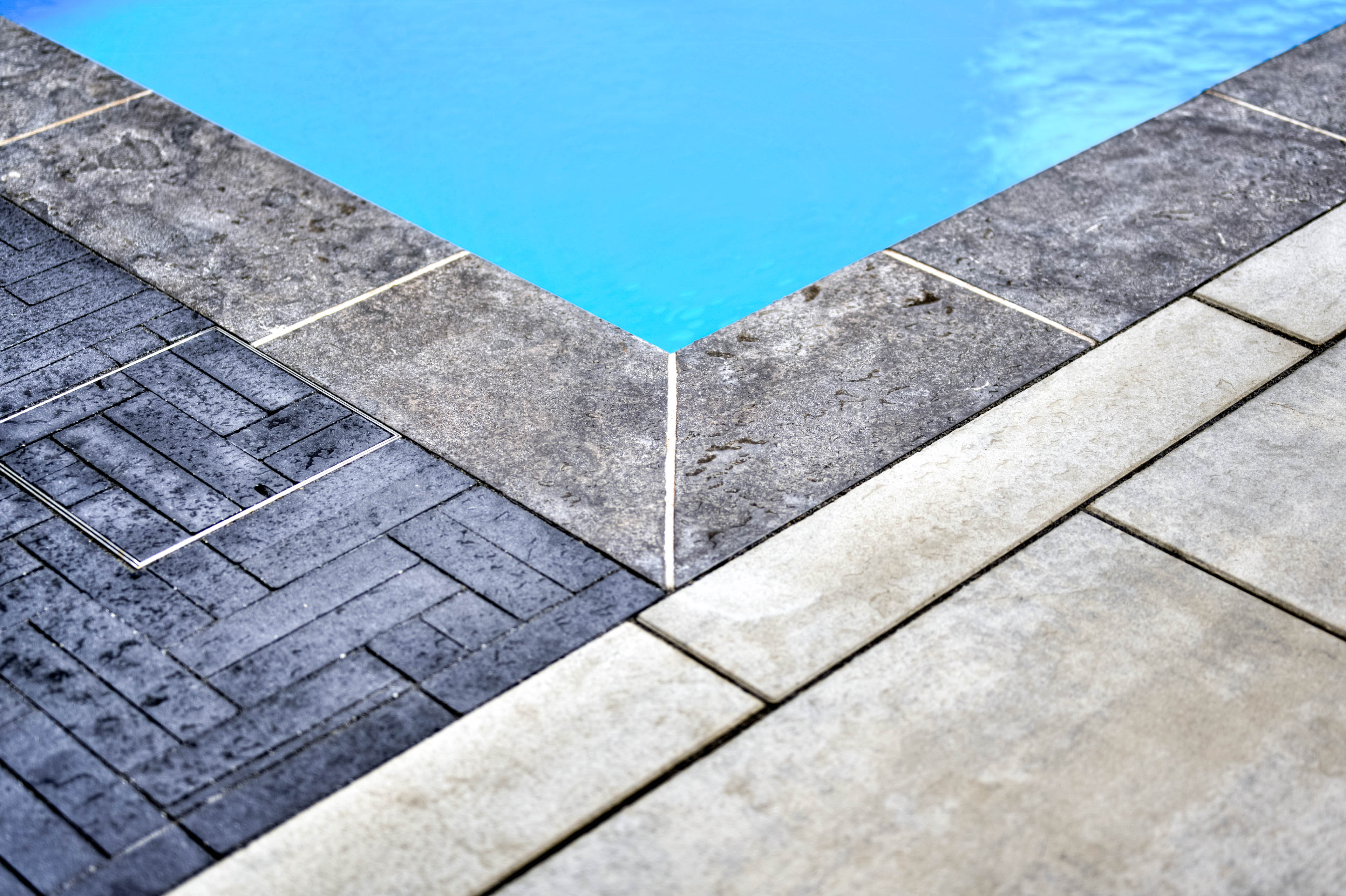
Creating a drainage plan involves more than just addressing immediate needs. It requires a holistic approach considering all elements of the landscape. Here’s how you can ensure yours is comprehensive.
Grading and Slope Corrections
Proper grading is your first line of defense against water damage. It shapes the land to allow water to flow naturally away from structures.
-
Assess Current Grades: Determine if the existing slope is sufficient to direct water away.
-
Implement Corrections: Adjust slopes to improve drainage; sometimes, re-grading entire sections is necessary.
A well-graded landscape not only prevents water issues but also enhances the aesthetic by creating smooth, inviting contours.
Integrating Catch Basins and Channel Drains
Catch basins and channel drains are pivotal in capturing excess water. They ensure it doesn’t linger on surfaces, which can lead to damage.
-
Catch Basins: Collect water from low points and redirect it safely.
-
Channel Drains: Ideal for areas with heavy water flow, like driveways.
These tools are essential for a drainage plan that keeps your property dry and safe. They require strategic placement to be effective.
Benefits of Permeable Pavers and French Drains
Permeable pavers and French drains offer excellent solutions for managing water naturally. They provide both functional and aesthetic benefits.
-
Permeable Pavers: Allow water to seep into the ground, reducing surface runoff.
-
French Drains: Redirect water with a subsurface solution, preventing flooding.
Using these, you can maintain a beautiful landscape that also handles water efficiently. It’s a sustainable choice that benefits the environment too.
Site Assessment and Design Process
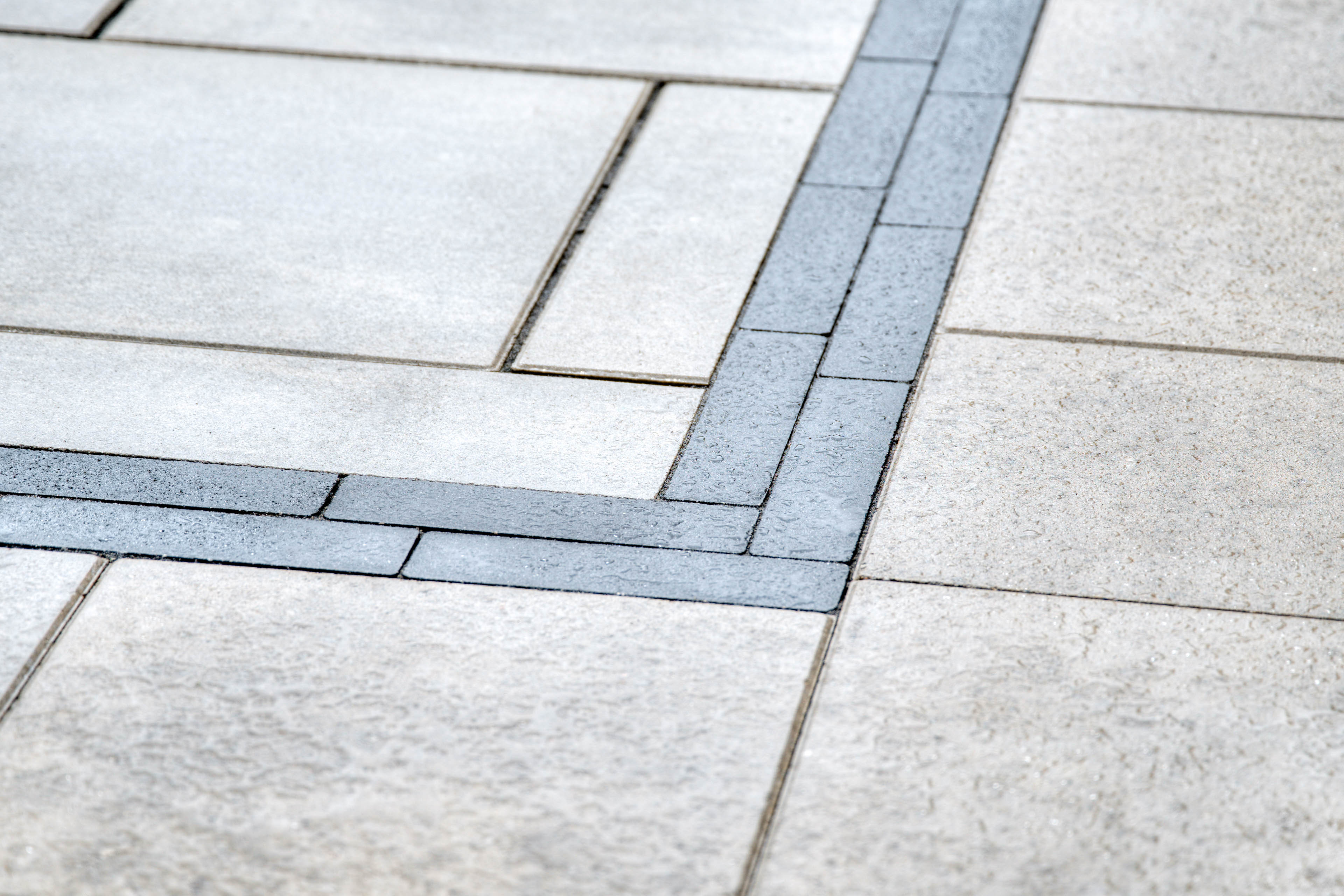
A thorough site assessment and well-thought-out design are the keys to successful hardscape projects. Here’s how you can ensure your project starts on the right foot.
Base Preparation and Geotextile Fabric
The foundation of every great hardscape project is proper base preparation. Using geotextile fabric prevents soil erosion and increases structural integrity.
-
Prepare the Base: A solid base prevents shifting and settling over time.
-
Geotextile Fabric: This material separates soil and aggregate, providing stability.
These practices ensure your hardscapes remain strong and resilient, even in harsh conditions. It’s a crucial step that sets the stage for success.
Retaining Wall Drainage Techniques
Retaining walls are not just about aesthetics; they require precise drainage solutions to remain effective. Improper drainage can lead to failure over time.
-
Drainage Pipes: Installed behind walls to carry away excess water.
-
Gravel Backfill: Helps water flow freely to drainage pipes, reducing pressure on the wall.
These techniques protect your retaining walls from water damage, ensuring they last for years to come. It’s a vital part of any wall-building process.
Utilizing 3D Landscape Design for Visualization
Visualizing your project in 3D can make a world of difference. It helps you see potential issues and make informed decisions.
-
3D Design Tools: Allow you to explore different options and outcomes before breaking ground.
-
Realistic Visualization: Helps ensure the final product matches your vision.
Using 3D design not only saves time and resources but also increases satisfaction by providing a clear picture of your investment.
Frequently Asked Questions
What is the purpose of a drainage plan in hardscaping?
A drainage plan ensures that water is effectively managed to prevent damage to hardscape structures. It directs water away from areas like patios and retaining walls, maintaining their integrity and longevity.
How do permeable pavers work in hardscape drainage?
Permeable pavers allow water to seep through their surface into the ground below. This reduces surface runoff and helps manage water naturally, making them an eco-friendly choice for driveways and patios.
Why is grading important in landscaping?
Grading shapes the land to control water flow. Proper grading prevents water from pooling around structures, which can lead to damage and erosion over time.
What is the role of geotextile fabric in hardscape projects?
Geotextile fabric separates soil from aggregate, preventing erosion and maintaining the structural integrity of hardscapes. It’s essential for ensuring long-term stability.
How can 3D landscape design benefit my project?
3D landscape design provides a realistic view of your project, allowing you to explore options and make adjustments before work begins. This visualization reduces errors and ensures the final result aligns with your vision.
Tags: