
How to Choose Exterior Materials That Hold Up in Canadian Weather (Kitchener-Waterloo Guide)
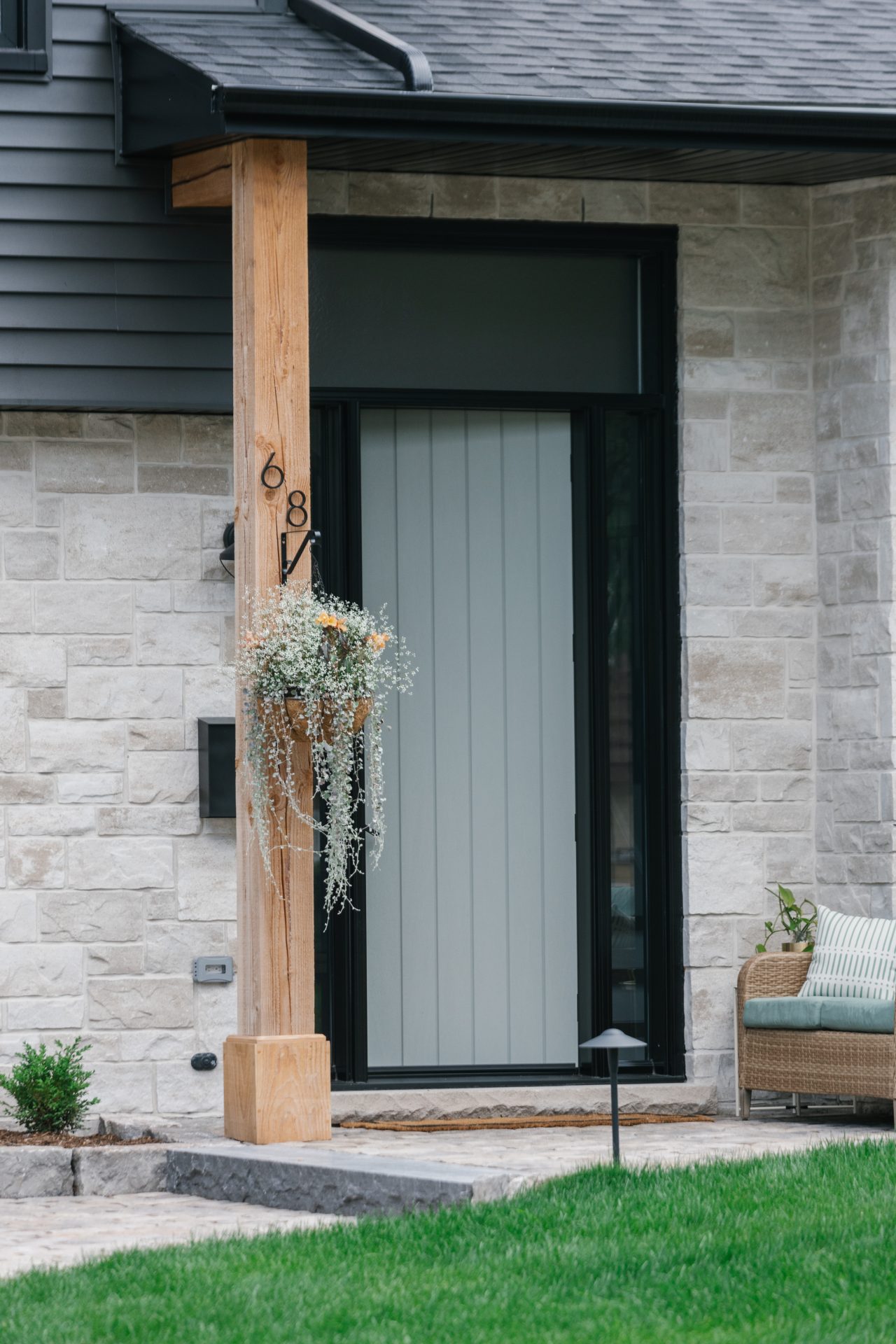
Choosing exterior materials in Kitchener-Waterloo means facing tough weather challenges—from freeze-thaw cycles to heavy snow and salt exposure. Many homeowners pick materials that don’t last, leading to costly repairs and constant upkeep. We’ll guide you through the best options for Canadian weather durable siding and stone, so your home stands strong year after year. Let’s make sure your next project combines beauty with real staying power. Learn more about modern wood cladding.
Visit Array Contracting Services for more information on our services.
Best Exterior Materials for Canadian Weather
Living in Kitchener-Waterloo, you know how unpredictable and harsh Canadian weather can be. Selecting the right materials for your home’s exterior is crucial to ensure durability and longevity.
Durable Siding Options
When it comes to siding, not all materials are created equal. Fiber cement siding is a popular choice because it stands up to harsh weather conditions. Made from a mix of cement, sand, and cellulose fibers, it resists rot, insects, and extreme weather. Explore the benefits of fiber cement siding here.
Another option is engineered wood siding, which combines the aesthetics of wood with enhanced durability. Unlike traditional wood, it’s treated to resist moisture and insects, making it a practical choice for our climate. If you prefer a classic look with reliable performance, consider these options for your home.
Choosing the Right Stone
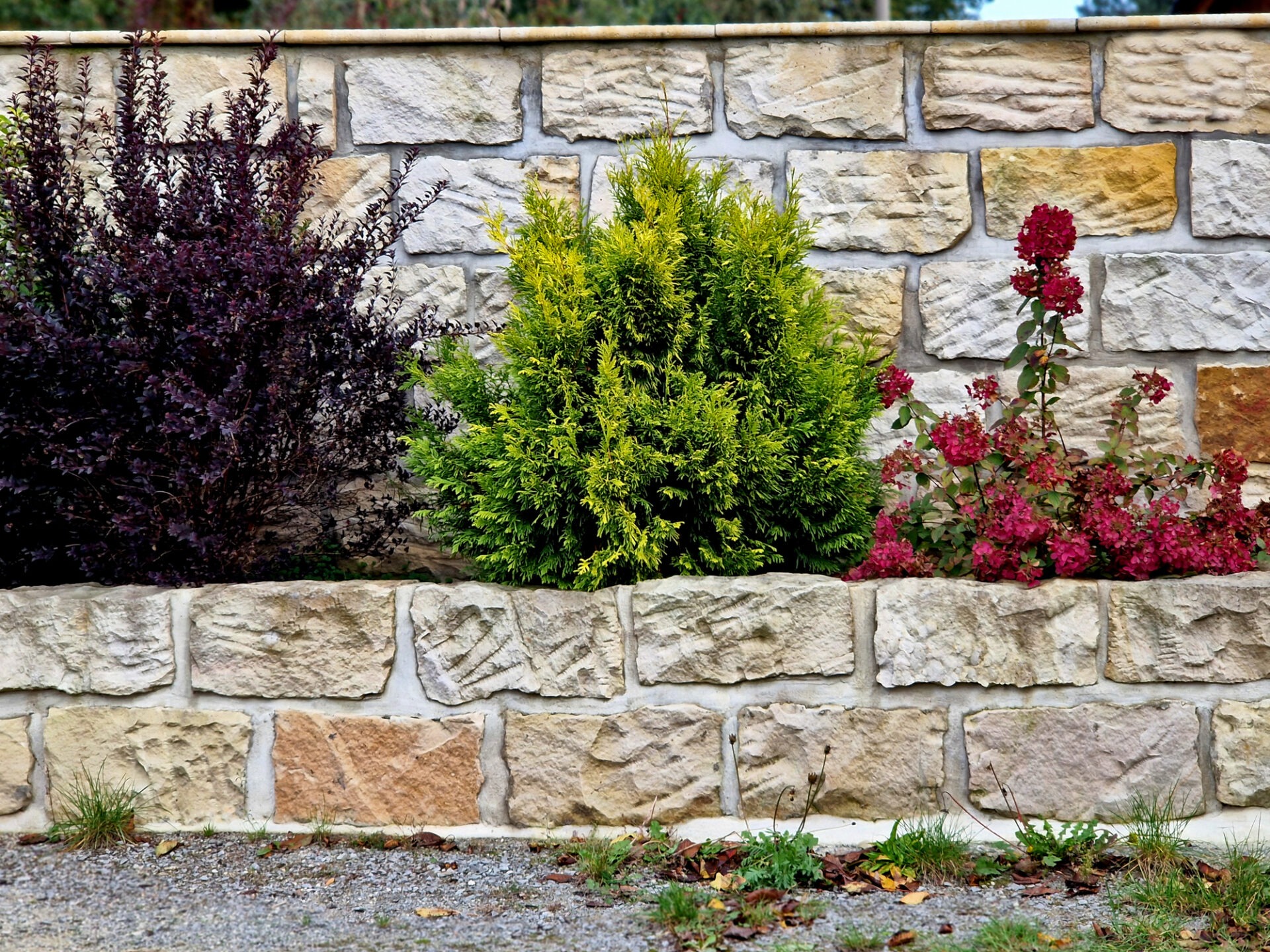
Stone provides a timeless appeal and robustness that stands the test of time. Granite and limestone are excellent picks for exterior use due to their strength and low maintenance. These stones can handle freeze-thaw cycles that are common in Canadian weather.
For those seeking a modern look, manufactured stone veneer offers the beauty of natural stone but is lighter and easier to install. It mimics the appearance of traditional stone without the high cost. This option not only enhances your home’s appearance but also adds value.
Decking Material Comparisons
Decking is another area where material choice is critical. Composite decking is a smart alternative to wood, especially in climates that experience a lot of moisture. Made from a blend of wood fibers and plastic, it resists warping and fading, and it doesn’t require staining or sealing.
On the other hand, cedar decking offers natural beauty and a pleasant scent. While it requires regular upkeep to maintain its appearance, it naturally repels insects and rot. Weigh the benefits and maintenance needs of each option to find what best suits your lifestyle.
Importance of Drainage and Waterproofing

Exterior materials alone aren’t enough to protect your home; drainage and waterproofing play a critical role in preserving your investment. Proper systems prevent water-related damage, which is especially important in our region.
Freeze-Thaw Resistant Solutions
Freeze-thaw cycles can wreak havoc on materials if not managed properly. Permeable pavers are a great solution, allowing water to pass through and reducing the risk of cracking. They help manage water runoff and reduce standing water, which can cause damage over time.
Consider integrating drainage systems around your home to direct water away from foundations. This simple addition can save you from costly repairs and ensure your exterior materials hold up against the elements.
UV and Salt Protection Tips
The sun and salt can also damage your home’s exterior, especially with regular exposure. UV-resistant cladding protects your home’s surfaces from fading and deterioration. For driveways and walkways, salt-resistant pavers withstand the corrosive effects of salt used during winter.
Routine maintenance, such as sealing surfaces and choosing materials with built-in protection, can extend the life of your home’s exterior. These steps are vital to keeping your property looking its best throughout the year.
Planning Your Exterior Renovation
Renovating your home’s exterior is a significant undertaking, but with the right planning, it can be streamlined and stress-free. Here’s how to ensure smooth execution from start to finish.
Booking Your Free Consultation
The first step in any successful renovation is consultation. By booking your consultation with us, you’ll receive personalized advice tailored to your specific needs. Our experts will assess your property and recommend the best materials to tackle the unique challenges of Canadian weather.
Benefits of 2D and 3D Design
Visualizing your project is key to achieving your desired outcome. With 2D and 3D design options, you can see how different materials and layouts will look on your property before any work begins. This technology helps in making informed decisions and ensures the final result aligns with your vision.
With these insights, you can make informed choices that not only enhance the appearance of your home but also provide long-lasting protection. Remember, the right materials combined with professional installation can transform your home into a fortress against the elements.
Frequently Asked Questions
What is the most durable siding for Canadian weather?
Fiber cement siding is one of the most durable options, as it can withstand extreme weather conditions without rotting or deteriorating.
Which stone is best for exterior use in harsh climates?
Granite and limestone are excellent choices due to their strength and low maintenance needs, making them ideal for exterior use in harsh climates.
How do I protect my deck from weather damage?
Choose materials like composite decking, which resists moisture and doesn’t require frequent sealing, or cedar, which naturally repels insects and rot.
Why is drainage important for my home?
Proper drainage prevents water-related damage, especially in regions with freeze-thaw cycles, and helps maintain the integrity of your exterior materials.
How can I visualize my renovation project?
Using 2D and 3D design options allows you to see potential outcomes before construction begins, ensuring that the final result matches your expectations.
Tags: