
How to Choose Exterior Materials That Stand Up to Canadian Weather in Kitchener-Waterloo
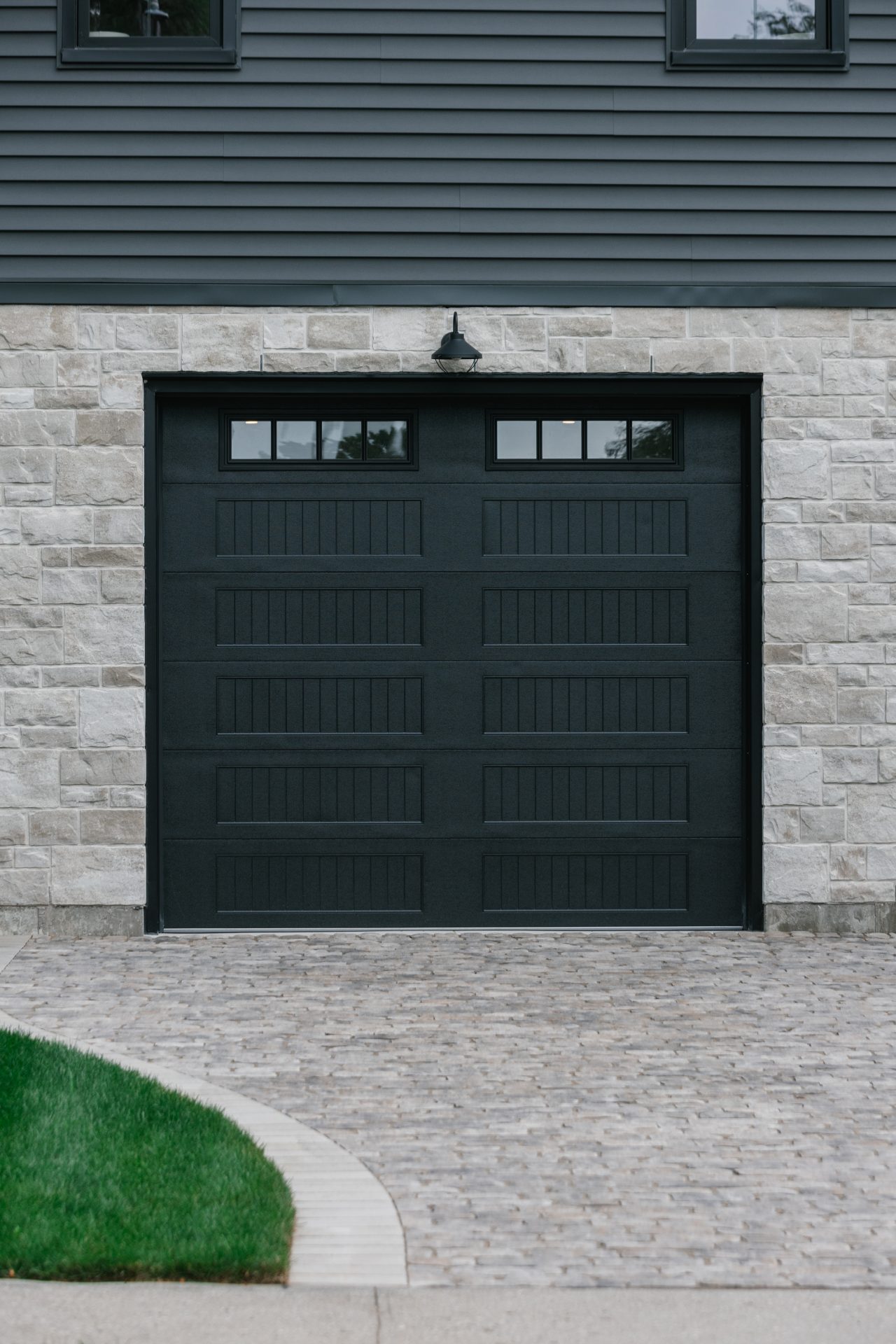
Choosing exterior materials that last through Kitchener-Waterloo’s harsh winters and hot summers isn’t simple. You’ve likely faced costly repairs or delays from materials that couldn’t handle the freeze thaw cycle. This guide breaks down durable patio materials and smart choices for Canadian weather durability, so your outdoor space stays beautiful year after year. Read on to build with confidence and avoid common pitfalls. For more information on the best options to withstand Canadian weather, visit this resource.
Choosing the Right Exterior Materials
Selecting the right materials for your home can make a big difference in how well they hold up to the weather. Let’s explore what you need to know to make a smart choice.
Understanding Canadian Weather Durability
Canadian weather can be unpredictable, with harsh winters and hot summers. These conditions demand materials that can withstand both extremes. When picking materials, think about how they will handle temperature changes, snow, ice, and sun. Materials that don’t crack or warp will save you from headaches down the road. Check out this guide for more options built to last in tough climates.
Importance of Freeze Thaw Cycle
The freeze-thaw cycle is a major factor in material durability in Canada. When water gets into cracks and freezes, it expands, causing damage. This can lead to costly repairs if materials are not up to par. Be sure to choose materials that are built to resist this cycle. Always look for products designed to withstand these conditions for peace of mind.
Durable Options for Patios and Decks

Your patio and deck are extensions of your home, so choosing materials that last is crucial. Let’s compare some popular choices to help you decide.
Natural Stone vs Concrete Pavers
Natural stone offers a classic, elegant look with long-lasting durability. It’s naturally resistant to weather changes, making it a great choice for Canadian homes. However, it can be more expensive than other options, like concrete pavers. Concrete pavers are versatile and come in various styles and colors, providing an affordable yet durable option. They can mimic the look of natural stone while offering easier installation. Both materials can provide a solid foundation for your patio.
Benefits of Composite and Cedar Decking
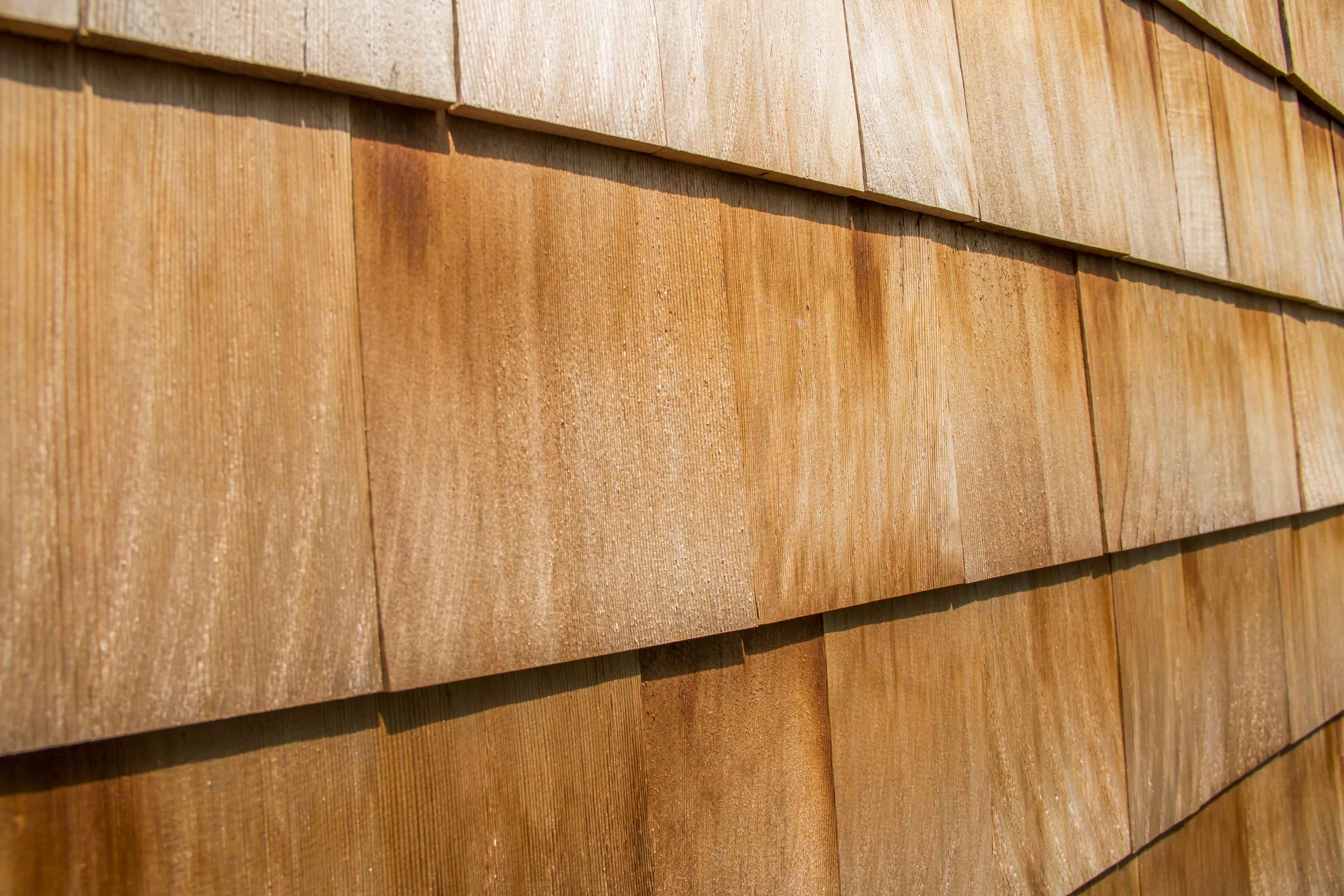
Composite decking is a popular choice for those looking for low-maintenance options. Made from a mix of wood fibers and plastic, it resists splintering and requires less upkeep than traditional wood. Cedar, on the other hand, offers a natural, warm aesthetic and is naturally resistant to decay and insects. Both options offer unique benefits, so consider what best suits your style and maintenance preferences.
Ensuring Longevity with Proper Installation
Installation is as crucial as the materials themselves. Proper techniques ensure your structures last for years and perform well in all seasons.
Effective Use of Polymeric Sand and HPB Bedding Stone
Polymeric sand is an essential part of paver installation. It hardens to lock pavers in place, preventing weed growth and insect infestation. HPB bedding stone provides a solid base, ensuring your patio remains level and stable. Together, they create a durable and attractive surface that withstands Canadian weather.
Landscape Drainage and Frost Heave Prevention
Good drainage is vital to prevent frost heave, which occurs when water in the ground freezes and expands. This can disrupt your patio and deck structures. Installing proper drainage systems helps manage water flow and keeps your outdoor spaces intact. Consider the slope and layout of your yard, and consult with professionals for effective solutions. For more insights, explore this article on how to manage water around your home.
Frequently Asked Questions
What materials are best for Canadian weather?
Materials that resist temperature changes and moisture, such as natural stone, composite decking, and certain types of siding, are ideal for Canadian climates.
How does the freeze-thaw cycle affect materials?
The freeze-thaw cycle can cause materials to crack and deteriorate, leading to expensive repairs. Choosing materials that resist these changes is crucial for longevity.
What is the role of drainage in outdoor installations?
Proper drainage prevents water buildup, reducing the risk of frost heave and structural damage. It is essential for maintaining the integrity of your outdoor spaces.
For more detailed insights on durable exterior materials, visit this resource.
Tags: