
How to Choose Stonework That Stands Up to Ontario Weather (Kitchener–Waterloo Guide)
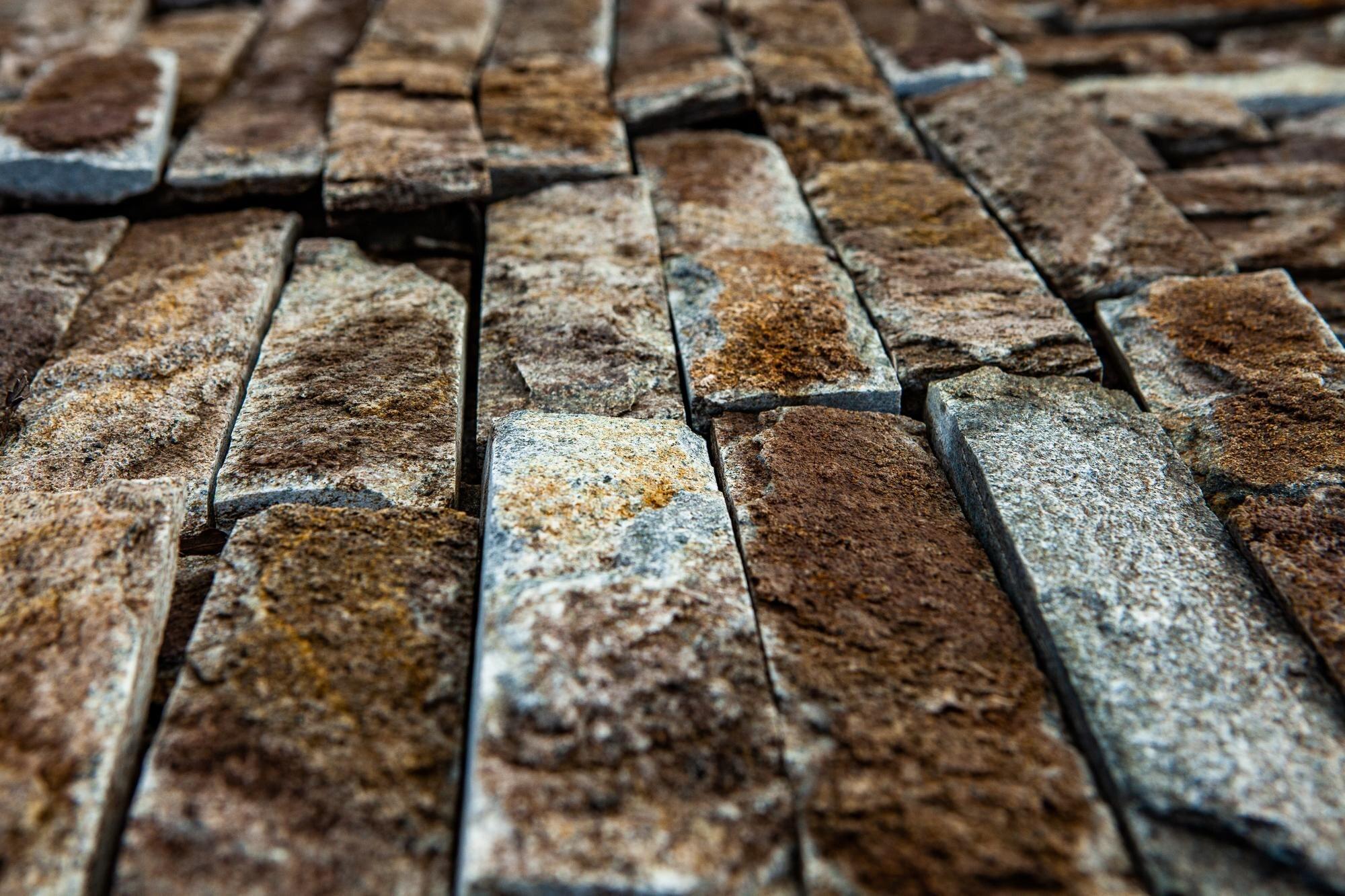
Ontario’s freeze thaw cycle can turn even the toughest stonework into a cracked mess. If you’ve seen patios or retaining walls heave or settle, you know how frustrating it is to fix the same problem twice. Choosing durable stone for Ontario climate isn’t just about looks—it’s about smart installation and materials that last. In this guide, we’ll walk you through what makes stonework in Kitchener Waterloo landscaping stand up to the weather year after year. For more information, visit this page.
Understanding Ontario Weather Challenges
The harsh weather in Ontario presents unique challenges for outdoor stonework, especially during the freeze-thaw cycle. Let’s delve into how these conditions impact your stone installations.
Navigating the Freeze-Thaw Cycle
The freeze-thaw cycle is a process where water enters stone or the ground beneath it, freezes, and then expands. This expansion causes the stone to crack. Then, when the ice melts, the stone contracts. This constant movement weakens the structure over time. Consider how your driveway or patio might develop cracks as a result. The freeze-thaw cycle is a major factor to consider when choosing materials that will last in Ontario’s climate.
The Impact on Outdoor Stonework
Outdoor stonework in Ontario faces a tough test. The cycle of freezing and thawing affects every part of your stonework, from patios to retaining walls. Without proper materials and installation, stones can crack or shift, leading to costly repairs. When choosing materials, think about their durability and how well they can withstand these conditions. This is why selecting the right stone and installation method is crucial for longevity.
Selecting Durable Stonework Solutions
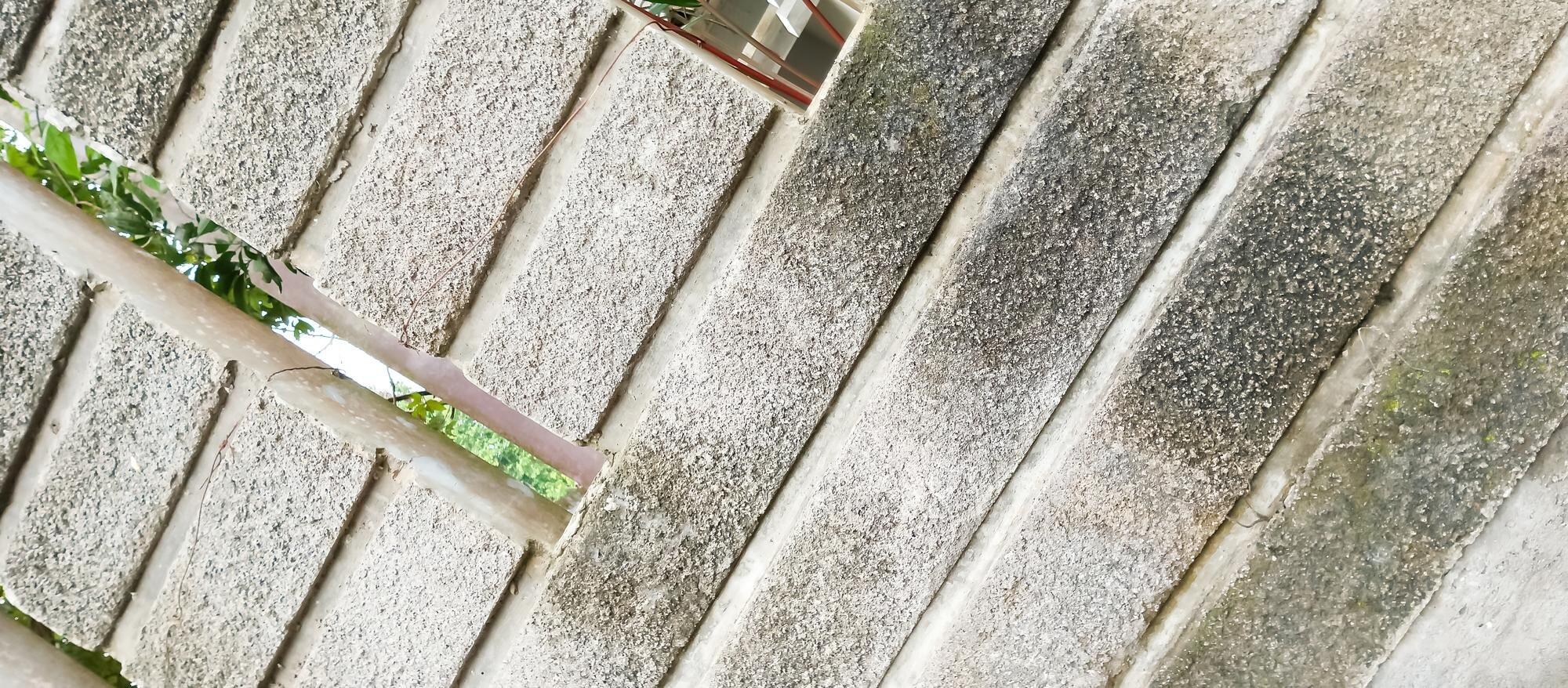
Choosing the right stone is essential for withstanding Ontario’s harsh climate. Let’s look at some options that offer durability and style.
Comparing Concrete Pavers vs Natural Stone
Concrete pavers and natural stone each have their pros and cons. Concrete pavers are often less expensive and come in a variety of colors and shapes. They’re also easier to install. On the other hand, natural stone provides a classic, timeless look that many homeowners prefer. It is also incredibly durable. When deciding between the two, consider both aesthetics and budget. Remember, while concrete pavers are more affordable, natural stone offers unmatched durability.
Choosing Salt Resistant and Permeable Options
Salt can be damaging to stone surfaces, especially during icy winters. Choosing salt-resistant stone can prevent damage and extend the life of your stonework. Permeable options, which allow water to pass through, reduce the risk of water accumulation and ice formation. This is particularly important for areas like driveways or walkways where salt is frequently used. Opt for materials like permeable pavers or salt-resistant stones to combat these issues effectively.
Best Practices for Stone Installation
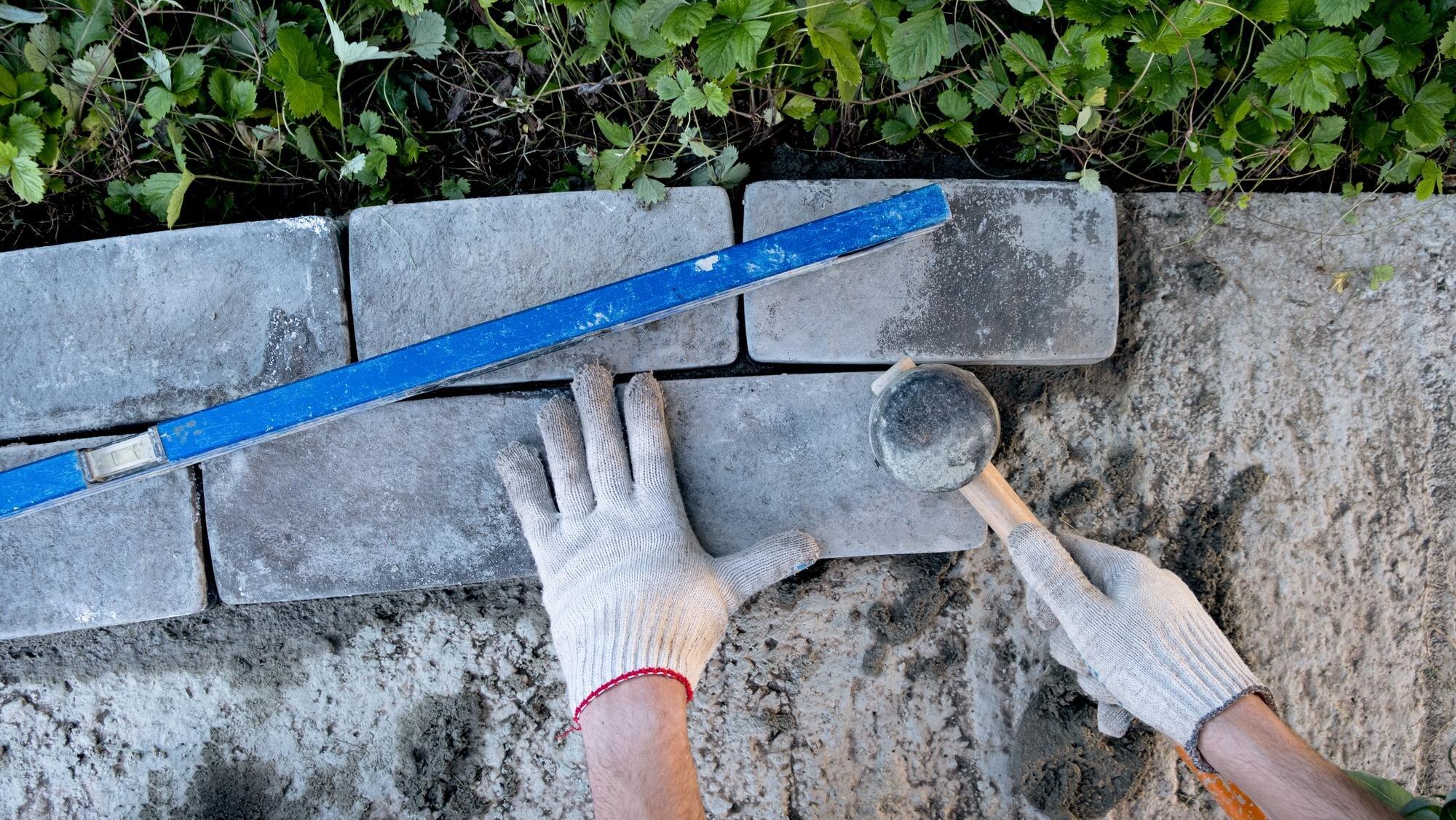
Proper installation is just as important as selecting the right stone. Here’s how you can ensure your stonework remains stable and beautiful for years.
Proper Base Preparation and Drainage Solutions
A well-prepared base is the foundation of any successful stone installation. Without it, you risk uneven surfaces and water damage. Start with a compacted gravel base. This provides stability and helps with drainage. Good drainage solutions, like using polymeric sand, ensure water doesn’t accumulate beneath the stone. This prevents heaving and settling, maintaining the integrity of your installation over time.
Heaving and Settling Prevention Techniques
Heaving and settling can ruin the look and functionality of your stonework. To prevent this, ensure proper edge restraints are in place. These restraints keep the stones from moving. Additionally, consider installing a geotextile fabric beneath the base to prevent mixing with the soil. This added layer helps maintain the structure’s stability. By following these steps, you can prevent your stonework from becoming uneven or damaged.
Frequently Asked Questions
What is the freeze-thaw cycle?
The freeze-thaw cycle occurs when water freezes and expands within a material, then thaws and contracts. This cycle can cause materials like stone to crack or shift over time.
How does salt affect stonework?
Salt can cause erosion and damage to stone surfaces, especially during winter when it’s used to melt ice. Choosing salt-resistant materials can help extend the life of your stonework.
Why is base preparation important in stone installations?
Proper base preparation ensures stability and good drainage, preventing issues like heaving and settling. A well-prepared base is crucial for long-lasting stonework.
By understanding these factors and choosing the right materials and methods, you can ensure your stonework stands strong against Ontario’s challenging weather.
Tags: