
How to Plan a Comfortable, Practical Backyard Layout in Kitchener-Waterloo
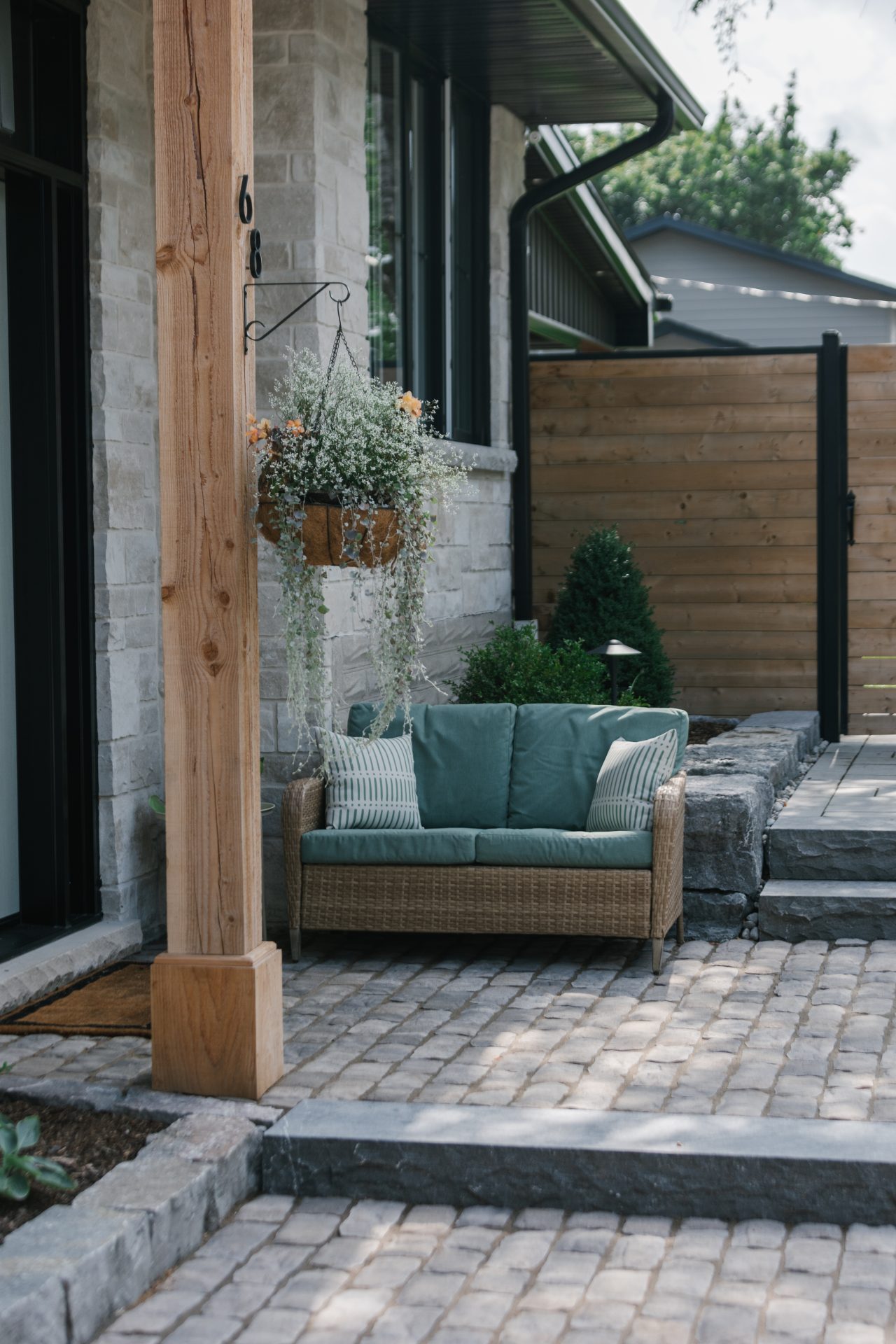
Most backyard layouts end up cluttered or underused. You’re left with spaces that don’t fit your family’s needs or lifestyle. Getting your backyard layout planning right in Kitchener-Waterloo means creating zones that feel natural and practical—from patios to play areas. Let’s walk through the steps that will turn your outdoor living space into a place you actually want to spend time in.
Planning Your Backyard Layout
Creating a backyard that is both functional and inviting starts with a well-thought-out plan. Your goal is to design a space where each area serves a purpose and adds to your enjoyment.
Assessing Your Outdoor Space
First, take a good look at what you have. Spend time outside, noting how you currently use your space and what is lacking. Consider the sun’s path, existing trees, and any slope in the yard. These elements will guide your layout choices.
Next, measure your yard. Knowing the exact dimensions helps you visualize potential changes. Are there any problem areas, like poor drainage or uneven ground? Addressing these early can prevent future headaches. Think about what your family needs most. Is it a safe play area for kids, a quiet spot for reading, or a place for entertaining guests? By identifying these needs, you can prioritize the elements that will best serve your lifestyle.
Defining Functional Zones
Now that you have assessed your space, it’s time to define your zones. Breaking your yard into sections can make it more usable and enjoyable.
Start by sketching out where you want different activities to happen. A dining area, a garden, and a play space might be on your list. Each area should have a clear purpose. Think about proximity. Do you want the grill near the kitchen door? Should the play area be visible from the house? These questions will influence your layout. Remember, you don’t need to fill every inch of space. Sometimes, less is more. Leaving some areas open can make your yard feel larger and more inviting.
Design Elements for Comfort
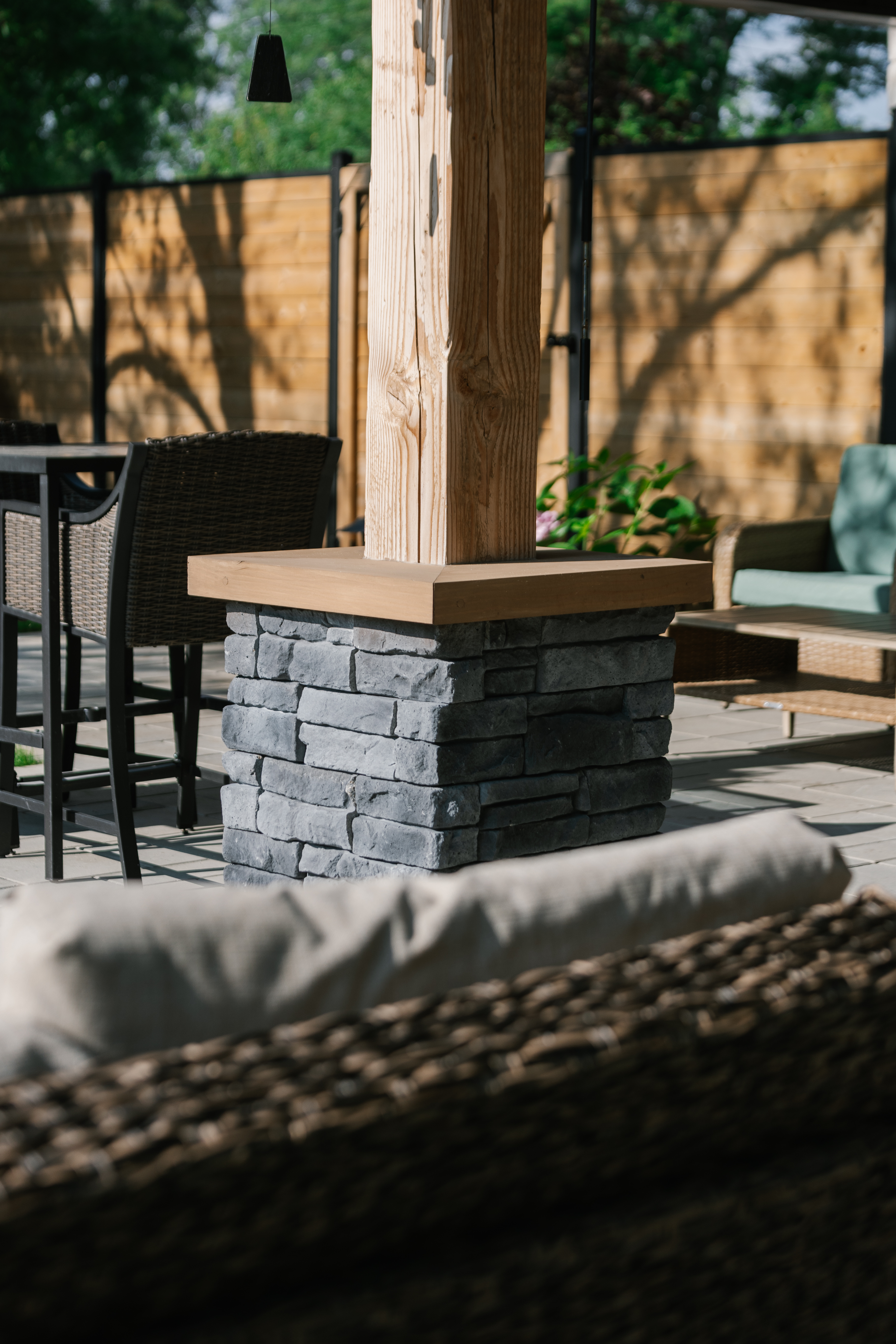
Once your zones are set, it’s time to add elements that make your space comfortable and welcoming. The right choices here can transform your yard into a true extension of your home.
Choosing the Right Materials
Materials matter. The right selection can enhance both the look and durability of your yard.
Consider natural stone for a classic and sturdy patio. It’s not only beautiful but also long-lasting. Wood can add warmth and charm, especially for decking or pergolas. Balance aesthetics with maintenance. Some materials require more upkeep than others. Choose what fits your lifestyle and ability to maintain. Also, think about texture. Smooth surfaces are great for dining areas, while rougher finishes can add grip around pools or walkways.
Integrating Custom Stonework
Custom stonework can be a highlight of your backyard design, adding elegance and functionality.
Imagine a beautiful stone path guiding guests through your garden. Or picture a stunning retaining wall that holds back soil and adds visual interest. These features not only improve your yard’s appearance but also its practicality. Customization is key. Tailor the size and shape to fit your space perfectly. Professional installation ensures that the work is durable and complements your overall design. Seek out local experts to ensure quality craftsmanship and a cohesive look.
Expert Tips for a Practical Design
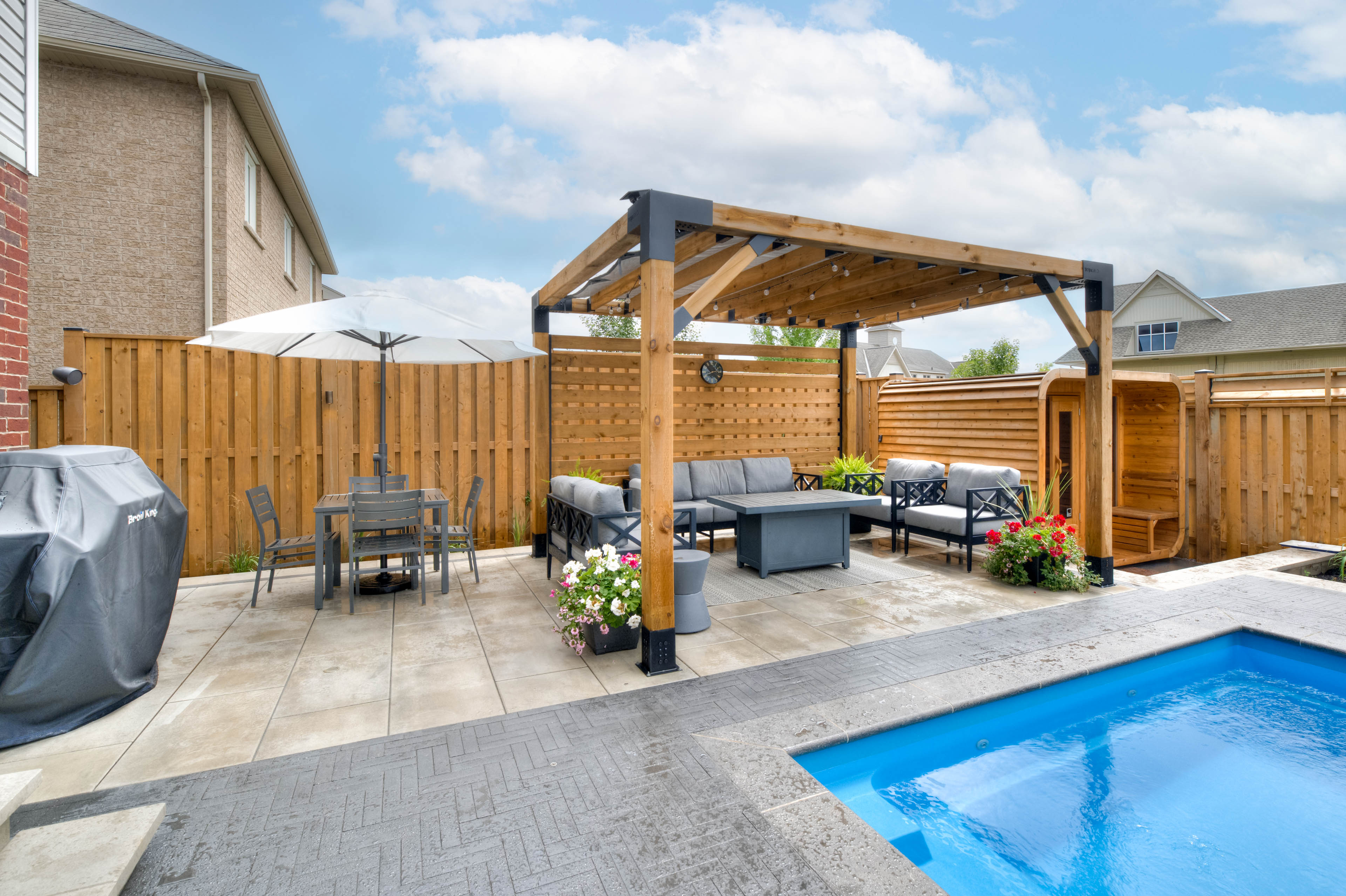
Enhancing comfort is crucial, but practical considerations ensure your backyard stands the test of time. Here’s how to tackle them.
Effective Grading and Drainage
Proper grading and drainage are vital for a functional yard. They prevent water pooling, which can damage plants and structures.
Start with a grading plan that directs water away from your home. This protects your foundation and keeps your yard dry. Installing drains can also help manage water flow. Think about where water naturally collects. Installing a French drain or dry well can redirect excess water effectively. These solutions not only protect your yard but also enhance its usability.
Incorporating Lighting and Safety Features
Lighting can transform your backyard, extending its use into the evening and enhancing safety.
Consider solar lights along pathways and motion-sensor lights near entrances. These options provide light without raising your energy bill. Safety features are important, too. Railings on steps and proper lighting can prevent accidents. Think about how you use the space at night and install lights where they’re needed most. Not only will these features improve safety, but they will also add to the ambiance of your yard, making it a more enjoyable space.
Frequently Asked Questions
What should I consider first when planning my backyard layout?
Start by assessing your space. Understand the size, shape, and existing conditions like sun exposure and drainage. This helps you plan practical and effective zones for your needs.
How can I make my backyard more comfortable and inviting?
Choose materials that add beauty and require minimal maintenance. Incorporate elements like stone pathways and wood decks to enhance comfort and usability in your outdoor areas.
Why is grading and drainage important in backyard design?
Proper grading and drainage prevent water damage and soil erosion, ensuring your yard remains safe and functional year-round.
What are some practical lighting options for my backyard?
Solar and motion-sensor lights provide effective and energy-efficient solutions. They enhance safety and allow you to enjoy your space even after the sun sets.
How do I choose the right stonework for my yard?
Consider both aesthetics and function. Custom stonework like paths and retaining walls should blend with your overall design and meet practical needs like soil retention.
Tags: