
How to Prepare Your Home to Minimize Renovation Stress: A Local Contractor’s Checklist
How to Prepare Your Home to Minimize Renovation Stress: A Local Contractor’s Checklist
Renovations often come with surprises you don’t want—missed deadlines, dust everywhere, or unclear plans that leave you stressed. Getting your home ready the right way can cut those headaches down. This Kitchener-Waterloo renovation checklist lays out simple steps to help you minimize renovation stress and keep your project on track from start to finish. Let’s get your home set up for a smoother, more confident renovation. Read more about handling renovation stress here.
Preparing Your Home for Stress-Free Renovations
Planning a renovation can feel overwhelming, but with the right steps, you can turn chaos into calm. Start by understanding what you want from your renovation and setting realistic timelines.
Understanding Your Renovation Goals
Begin with a clear vision. Knowing exactly what you want helps everyone stay on the same page. Ask yourself what changes will improve your daily life. Maybe you need a larger kitchen or a more open living space. Write down your goals and discuss them with your contractor. This clarity will guide decisions and reduce last-minute changes.
Visualizing your dream space can keep you motivated. Use inspiration boards or sketch out ideas. It’s not just about aesthetics; consider function. For example, if you’re redoing a bathroom, think about storage needs or energy-efficient fixtures. Prioritize your goals—this helps when budget or time constraints arise.
Setting Clear Expectations and Timeline
A well-structured timeline is your roadmap to success. Sit down with your contractor to outline each phase of the project. Include start and end dates, and when you should make decisions, like paint colors or fixtures. This keeps everyone accountable and helps prevent delays.
Unexpected issues might pop up, but a detailed timeline can minimize their impact. If you’re renovating a kitchen, plan for how long you’ll need alternative meal solutions. Having backup plans reduces the stress of living without certain spaces. Communicate regularly with your contractor to adjust the timeline as needed. Consistent updates keep surprises at bay.
Creating a Renovation-Friendly Environment
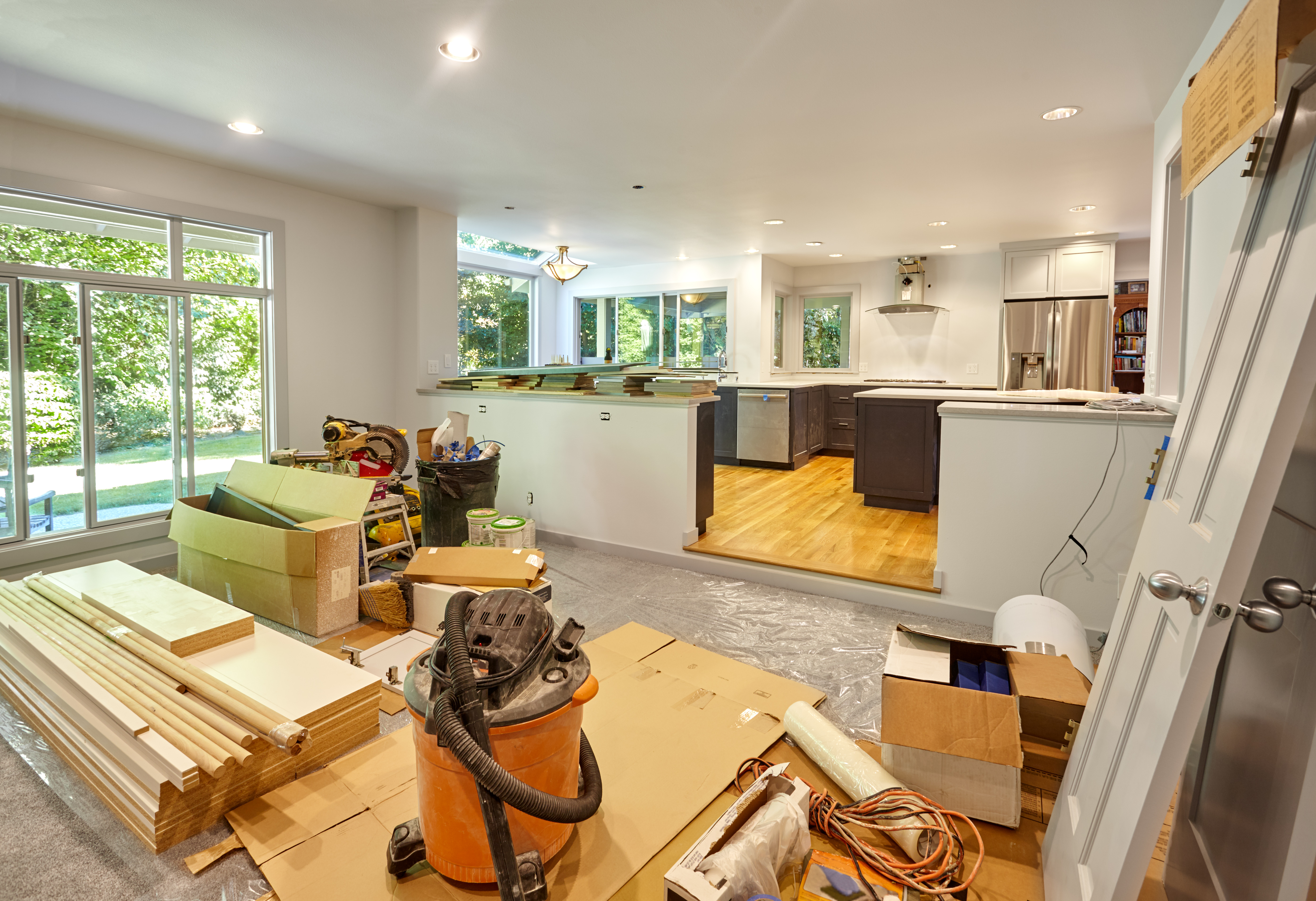
Once your goals and timeline are set, it’s time to prepare your space. A well-organized home can significantly ease the renovation process and help manage stress.
Pre-Renovation Cleaning and Organization
Before renovations begin, clear the area. Pack away valuables and declutter. Store items safely to protect them from dust and damage. Label boxes clearly for easy retrieval. An organized space allows workers to move efficiently, speeding up the process.
Consider what will still be accessible during renovations. For instance, if your kitchen is off-limits, create a temporary cooking area elsewhere. This preparation helps maintain a sense of normalcy. Keep essential items like toiletries or snacks handy to avoid daily disruptions.
Managing Dust and Noise During Renovations
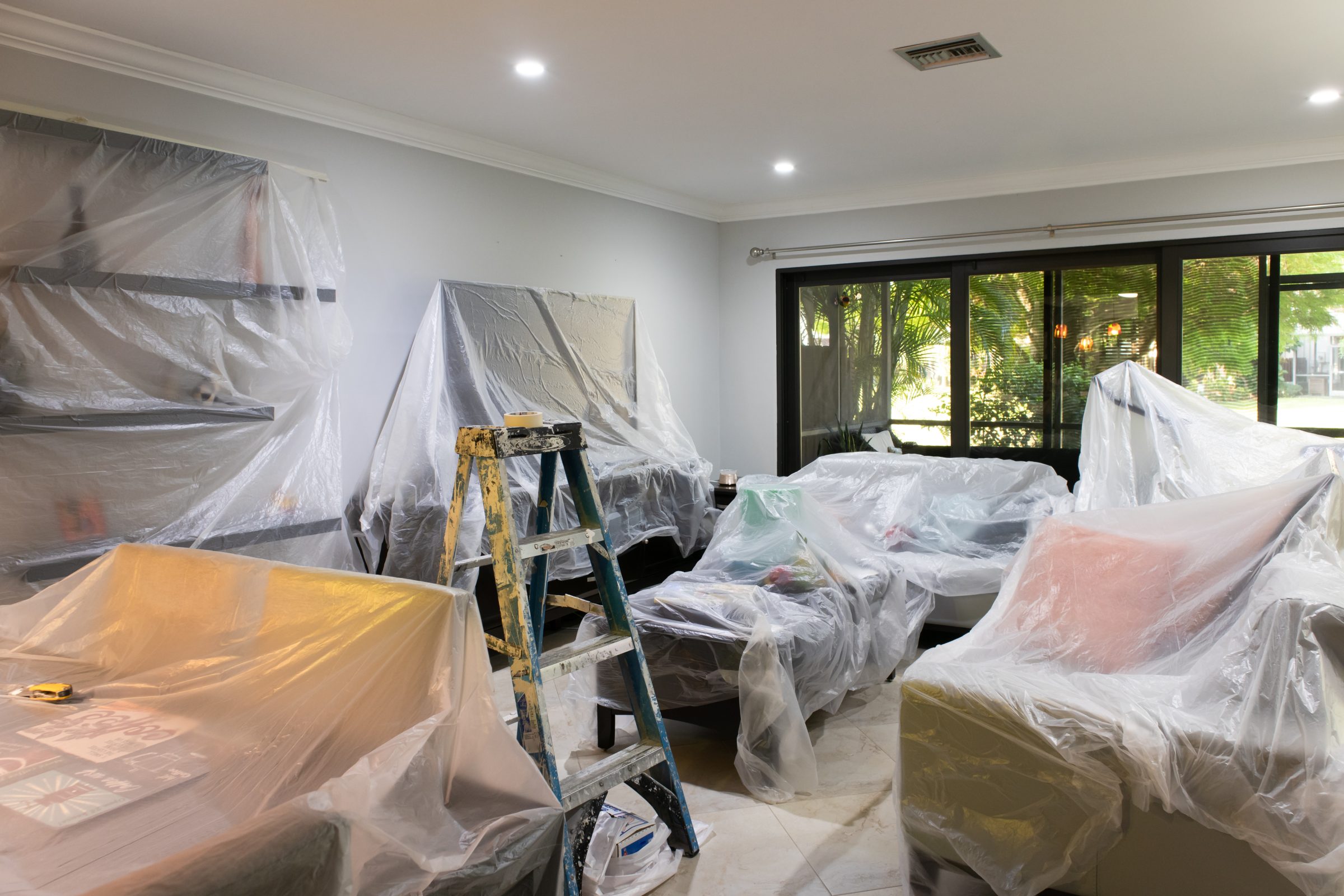
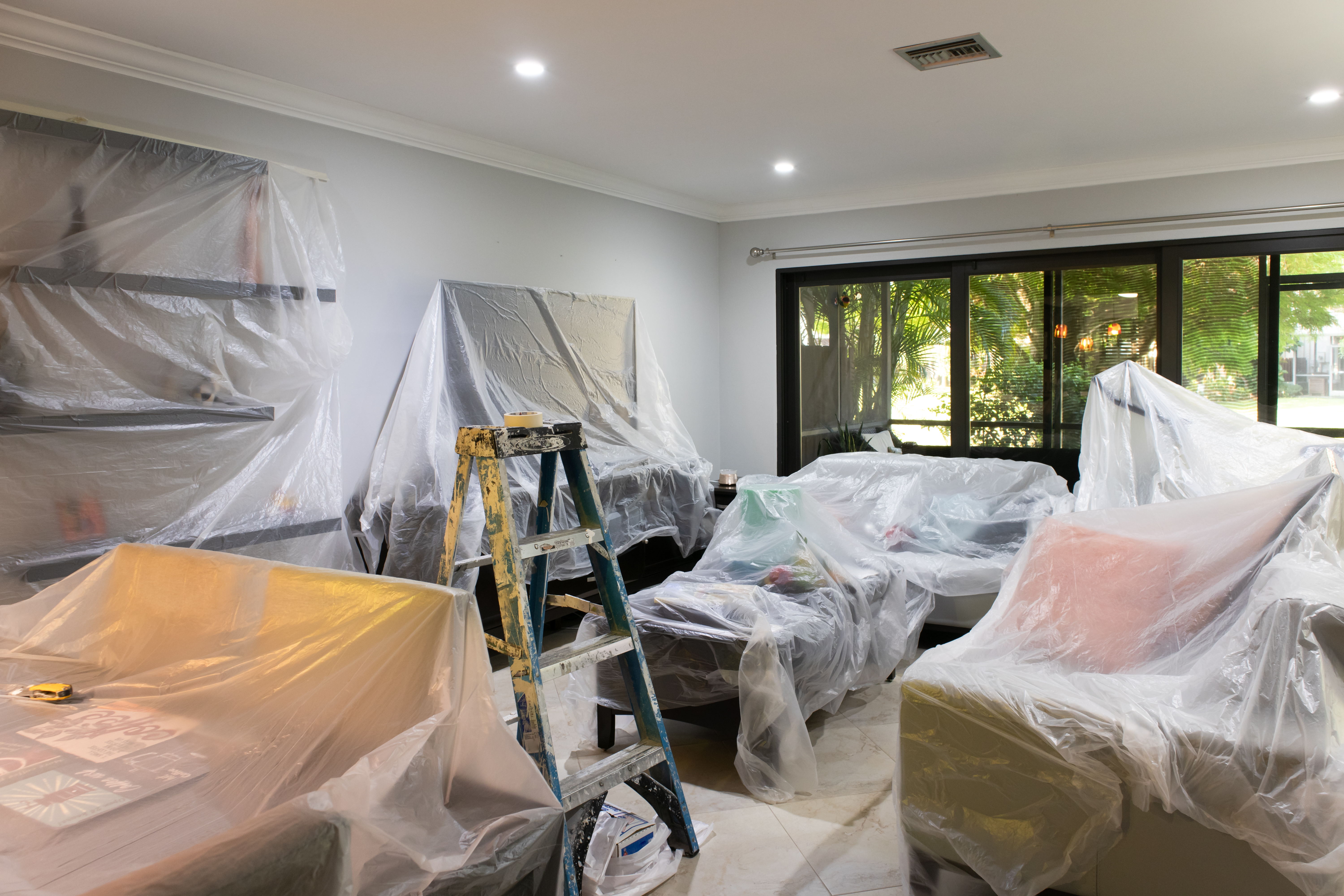
Renovations are noisy and dusty, but you can minimize their effects. Use plastic sheeting to seal off work areas and reduce dust spread. Install temporary barriers to keep pets and children safe. Noise can be a major stressor, so plan out quiet hours when possible.
Invest in air purifiers to keep the air clean. If noise is a concern, consider scheduling loud work when the house is empty. Take breaks from the chaos by spending time in unaffected areas of your home or outdoors. Managing the environment keeps your sanity intact.
Building Confidence with Your Contractor

A solid relationship with your contractor makes all the difference. Trust and open communication are key to a smooth renovation.
Importance of Clear Communication
Open dialogue with your contractor is essential. Start with a detailed meeting to discuss expectations and preferred communication styles. Whether through weekly meetings or daily updates, consistent communication keeps everyone informed.
Misunderstandings can lead to stress and delays. If something isn’t clear, ask questions immediately. Share any concerns or changes to avoid surprises later. Effective communication builds trust, ensuring a smooth process and a successful outcome.
Benefits of 2D and 3D Design Plans
Visual tools are powerful aids in planning. Using 2D and 3D design plans allows you to see potential issues before they arise. These plans help you and your contractor stay aligned on the project vision. They are especially useful for complex renovations like kitchen overhauls or spatial redesigns.
Seeing a digital mock-up provides peace of mind, offering a preview of the final product. It helps in making decisions about materials, colors, and layouts. With these plans, you can confidently move forward, knowing every detail has been considered.
By following this checklist, you can transform your renovation journey into a positive experience. A well-prepared home and strong contractor relationship are foundational steps towards achieving your dream space. Remember, preparation is key to minimizing stress and ensuring a successful renovation.
Tags: