
Innovative Drainage Solutions for Long-Lasting Retaining Walls in Kitchener-Waterloo
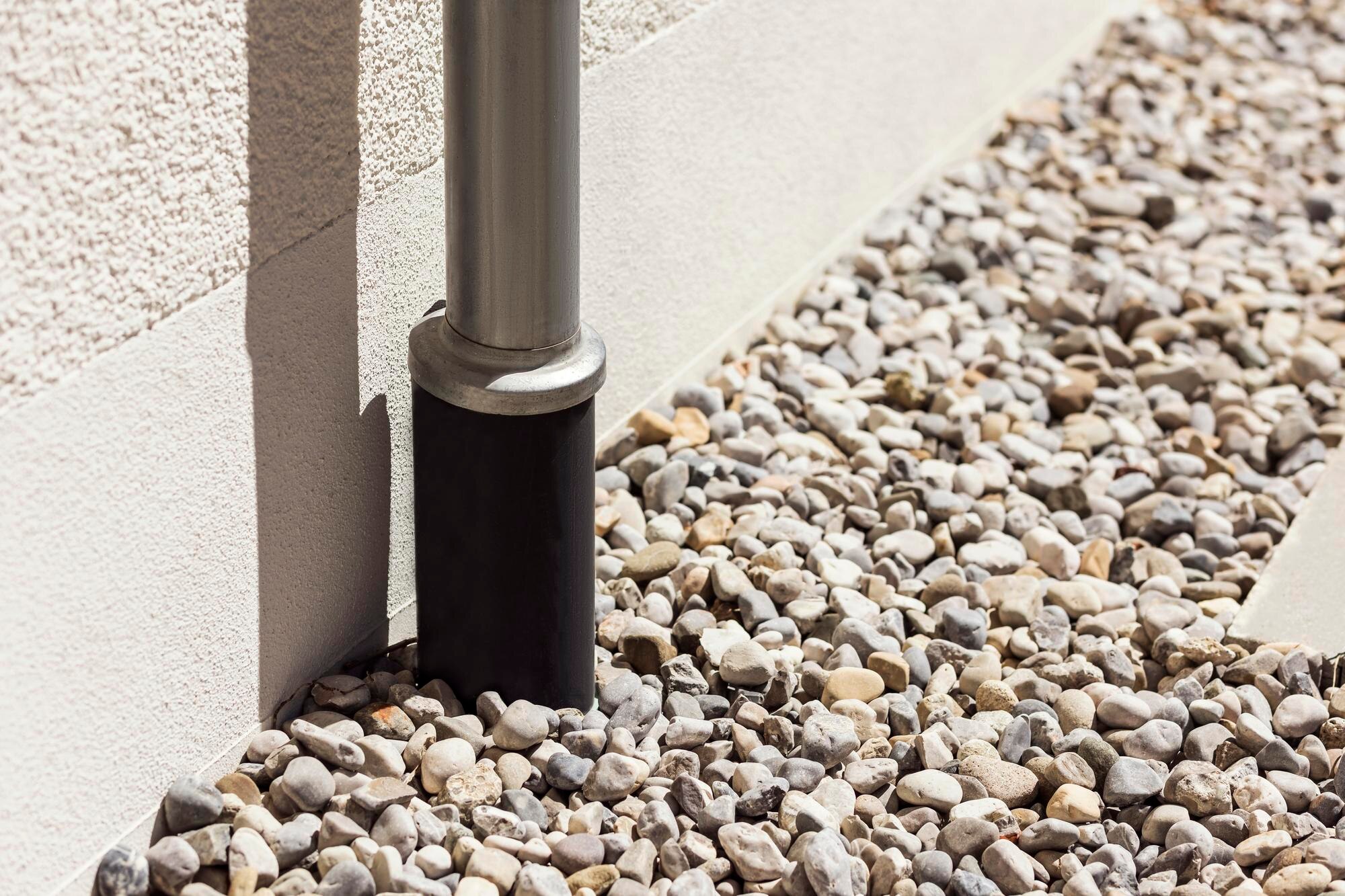
Innovative Drainage Solutions for Long-Lasting Retaining Walls in Kitchener-Waterloo
Retaining wall drainage often gets overlooked until cracks and bulges appear. You might think a solid wall is enough, but water pressure quietly causes damage over time. In this post, you’ll learn practical drainage solutions that keep your retaining walls standing strong in Kitchener-Waterloo’s changing seasons.
Smart Drainage Solutions
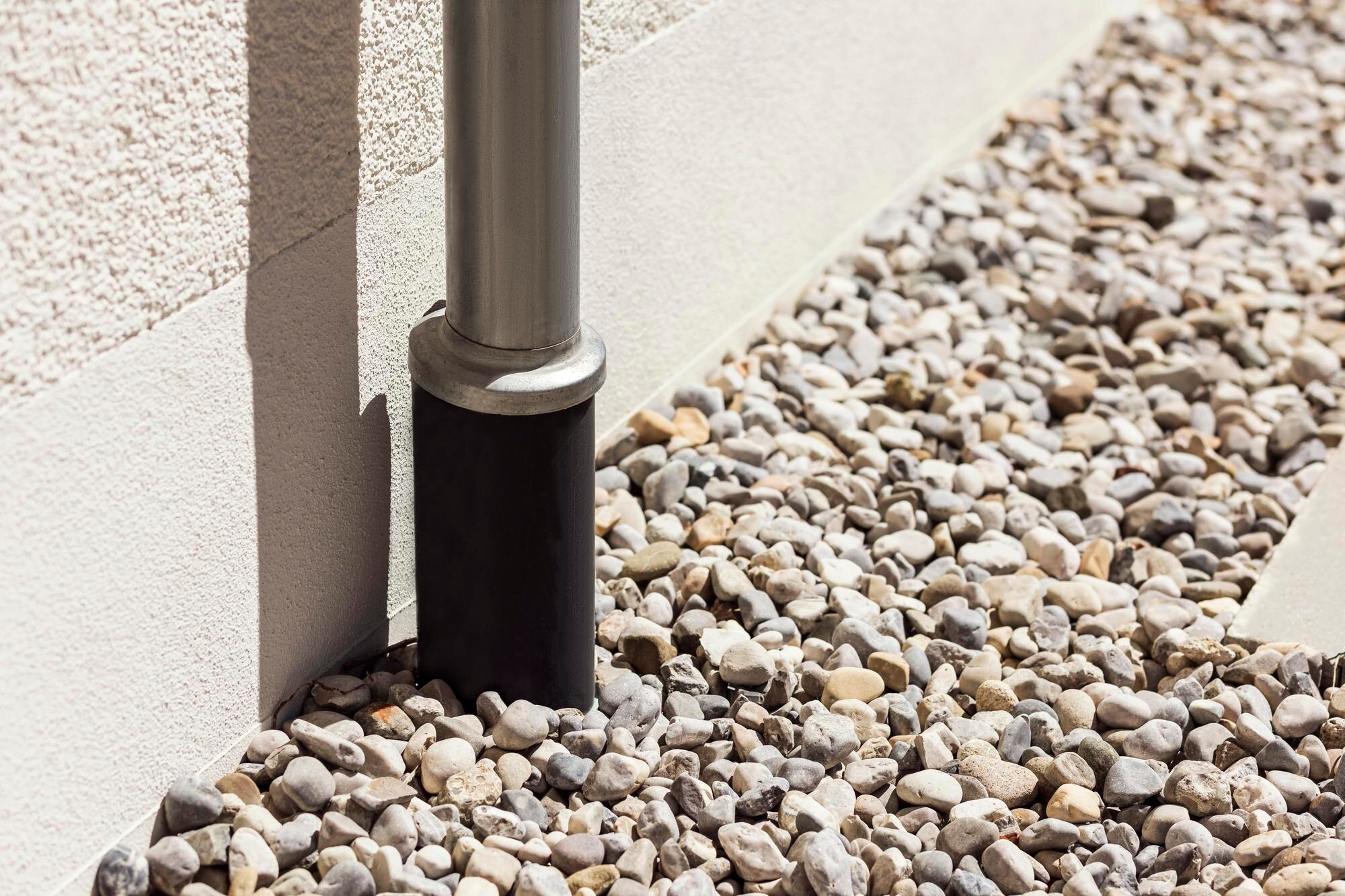
Understanding the importance of drainage can save you from costly repairs. It’s not just about keeping water out; it’s about preserving the strength of your walls.
Hydrostatic Pressure Relief
Hydrostatic pressure is a silent threat to your walls. It builds when water accumulates behind a retaining wall, potentially leading to cracks or even collapse. Relieving this pressure is critical.
One effective way to manage this is through the use of a perforated drain pipe. This pipe is placed at the base of the wall to collect and divert water away. By doing so, it reduces pressure buildup. Most people think a simple wall will hold back soil and water, but without proper drainage, even the strongest walls can fail.
Another method is using clear stone backfill. This material allows water to pass through easily, directing it to the drain pipe. The longer you wait to address hydrostatic pressure, the more damage can occur. It’s a small investment for long-term peace of mind.
French Drain for Retaining Wall
Many homeowners overlook the power of a French drain. Yet, it’s one of the best ways to keep your retaining wall dry and strong.
A French drain involves a trench filled with gravel or rock containing a perforated pipe. This setup efficiently redirects surface water and groundwater away from the wall. You place the drain along the base of the wall, ensuring water flows away.
For those## Smart Drainage Solutions
To ensure your retaining wall withstands the test of time, you need intelligent drainage strategies. Let’s explore some effective solutions to manage water and keep your walls strong.
Hydrostatic Pressure Relief
Hydrostatic pressure might sound technical, but it’s something you can easily tackle. Water buildup behind your wall leads to pressure that can cause damage. By reducing this pressure, you protect your structure from unnecessary stress.
One way to relieve this pressure is by using perforated drain pipes. These pipes collect and channel water away from the wall base. A layer of clear stone backfill around the pipes enhances drainage, preventing water accumulation. Think of it as giving your wall an escape route for trapped moisture.
Water management doesn’t stop there. Adding a barrier of geotextile fabric between soil and backfill prevents clogging. This setup keeps water flowing freely, reducing pressure and extending your wall’s lifespan. Most people think a wall needs only a sturdy build, but smart drainage is its silent hero.
French Drain for Retaining Wall
Another effective way to combat water issues is by installing a French drain. This solution involves a gravel-filled trench with a perforated pipe that redirects water away from your wall.
Setting up a French drain is straightforward. First, dig a trench parallel to the wall’s base. Place a perforated pipe within the trench, then cover it with gravel. The French drain channels excess water, reducing pressure on your wall.
This system is especially beneficial for areas prone to heavy rainfall. By preventing water buildup, you minimize the risk of wall failure. A French drain is not just a safeguard; it’s an investment in your wall’s longevity.
Downspout Extensions and Swales
Downspouts can direct large volumes of water toward your wall, posing a risk. The longer you wait, the more harm they can cause. Thankfully, downspout extensions offer a simple fix, guiding water safely away.
A swale is another effective method to manage runoff. By reshaping the land, you create a shallow channel that directs water to a desired area. This prevents pooling around your wall and reduces the chance of erosion.
Both solutions are cost-effective and easy to implement. They work well in tandem, providing multiple layers of protection against water damage. Don’t let water be your wall’s downfall. Implement these strategies to safeguard your structure.
Retaining Wall Construction Essentials
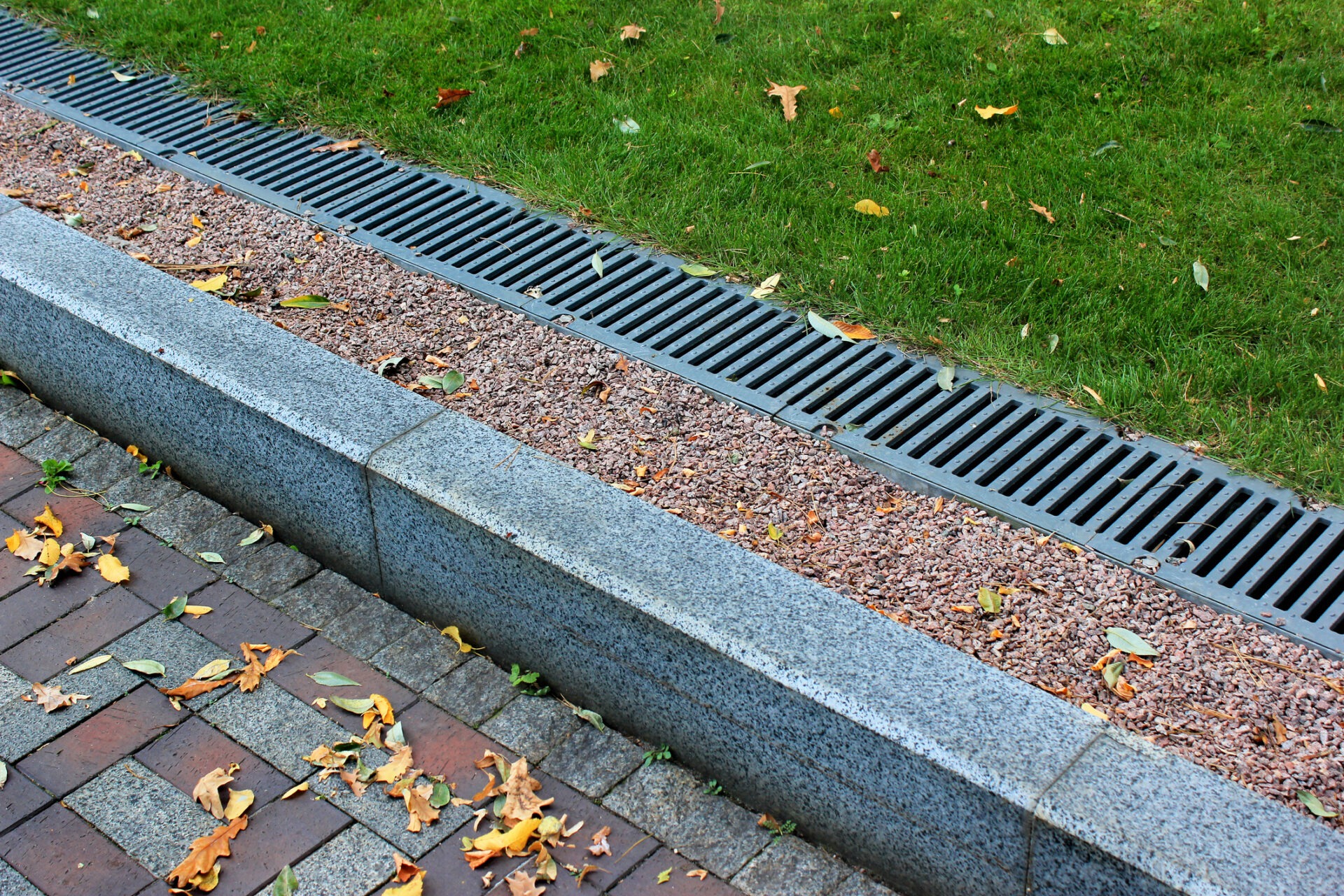
Having laid a solid foundation with drainage solutions, it’s time to focus on construction techniques. These essentials ensure your wall not only stands firm but looks great too.
Geogrid Reinforcement Techniques
Geogrid reinforcement is key to a sturdy wall. It’s a mesh material that stabilizes the soil behind your structure. Think of it as a hidden support system that keeps everything in place.
To install geogrid, first, lay it between layers of soil during construction. This technique strengthens the wall’s capacity to hold back soil. Most people think walls rely solely on their mass, but geogrid offers unseen strength.
Another benefit is its ability to prevent shifting. By interlocking soil and wall, geogrid reduces movement caused by external forces. This ensures your wall remains stable and aligned for years.
Weep Holes and Their Importance
Weep holes might seem minor, but they play a crucial role in wall durability. These small openings allow water to escape, preventing pressure buildup.
To add weep holes, drill them near the wall’s base. Space them evenly to ensure even drainage. This simple addition can make a big difference in preventing damage.
Weep holes are essential for any retaining wall. They offer a straightforward solution to combat water-related issues. By incorporating them, you protect your investment and ensure your wall stands the test of time.
Proper Base Preparation
A strong wall begins with a solid base. Proper preparation ensures stability and prevents issues down the line.
Start by excavating to the required depth. Lay a compacted gravel layer to provide a stable foundation. This step is crucial; most wall failures stem from poor base preparation.
Next, ensure the base is level. A slight slope can direct water away, reducing the risk of damage. With a firm base, your wall is set for success. Don’t cut corners here; a well-prepared base is your wall’s first line of defense.
Design and Material Choices
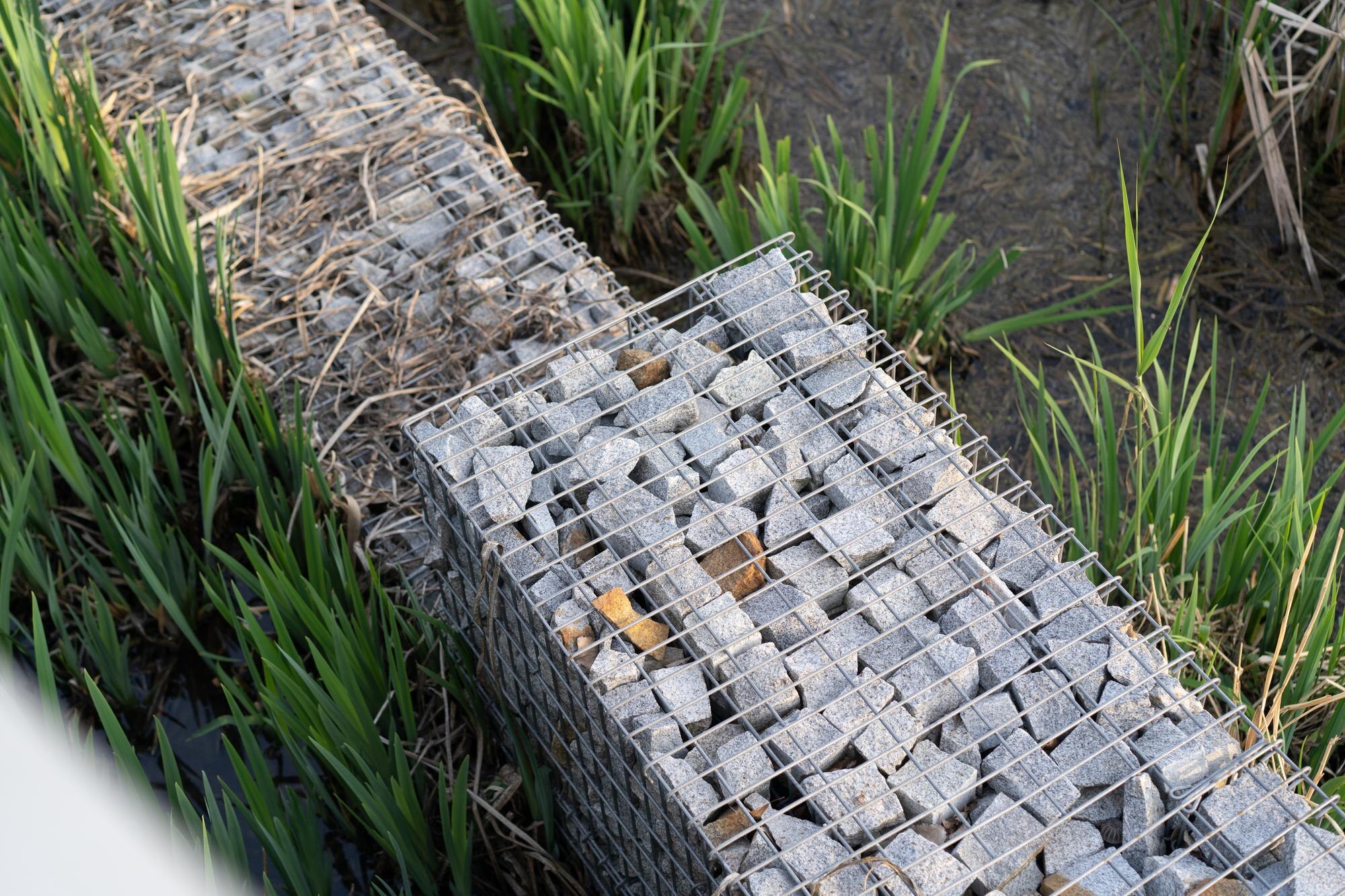
The choices you make in design and materials can greatly impact your wall’s performance. Let’s explore some options that combine aesthetics with strength.
Natural Stone Wall Options
Natural stone offers both beauty and durability. It’s a timeless choice that fits seamlessly into any landscape.
When selecting stone, consider the local environment. Some stones resist weathering better than others. This ensures your wall remains beautiful and functional.
Installation is key. Fit stones tightly to prevent movement. Use mortar to fill gaps, securing stones in place. A well-constructed stone wall not only looks great but stands strong against the elements.
Concrete Block Wall Installation
Concrete blocks are a popular choice for their strength and versatility. These blocks offer a clean, modern look that’s easy to maintain.
Begin by laying the first course of blocks on your prepared base. Use a level to ensure accuracy. Proper alignment is crucial for stability.
As you build, stagger blocks for added strength. Fill cores with concrete for reinforcement. This method creates a solid, durable structure. With concrete blocks, you achieve a lasting wall with minimal upkeep.
3D Landscape Design Benefits
Visualizing your project before it begins is invaluable. 3D landscape design offers a detailed view of your future space.
This process allows you to experiment with layouts and materials. See how different options interact with your existing environment. It’s a great way to make informed decisions.
3D design also aids in communication with contractors. Clear visuals ensure everyone is on the same page, reducing the chance of misunderstandings. By investing in 3D design, you set the stage for a successful project.
In conclusion, retaining walls require a mix of smart solutions, solid construction techniques, and thoughtful design choices. By implementing these strategies, you ensure your wall not only looks great but performs exceptionally well over time.
Tags: