
Retaining Wall Planning Tips for Sloped Yards: Drainage Done Right and Built to Last in Kitchener‑Waterloo
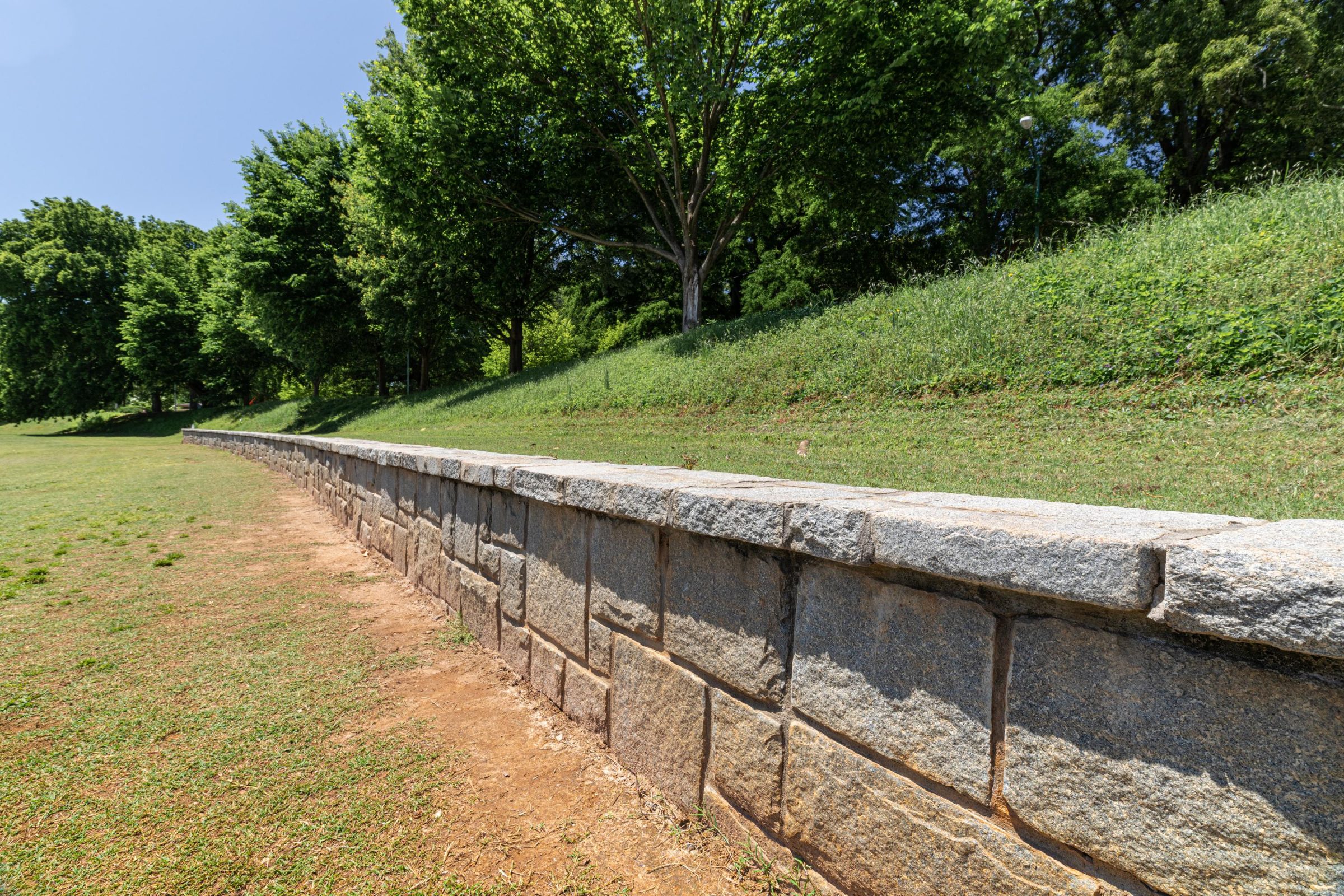
Sloped yards can turn your backyard into a challenge if your retaining wall isn’t planned right. Poor drainage and weak foundations lead to costly repairs and frustration down the road. In this post, you’ll learn how a retaining wall Kitchener-Waterloo homeowners trust stays strong and drains properly, so your yard looks great and stands the test of time. For more insights, check out this guide on retaining wall drainage.
Planning Your Retaining Wall
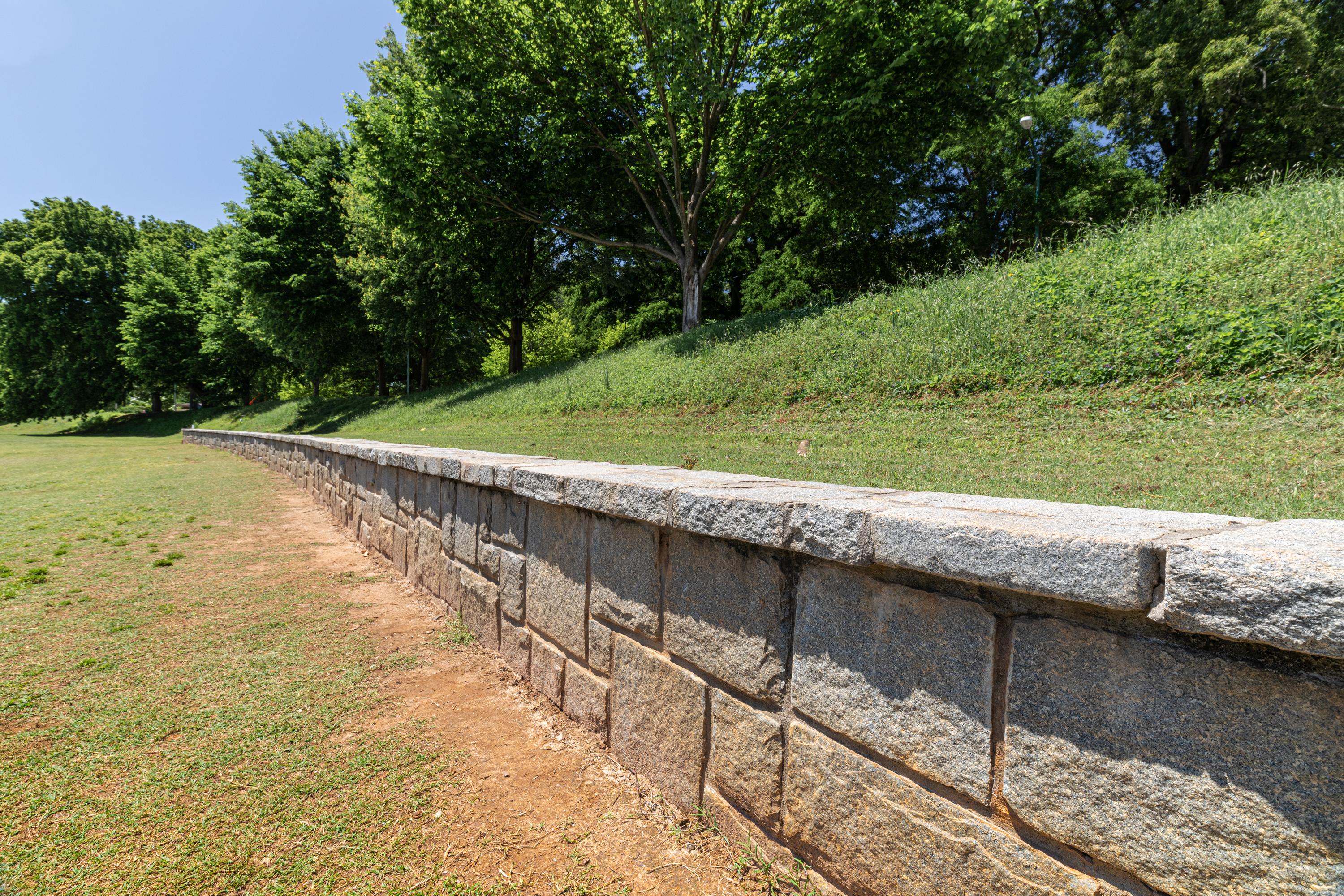
Creating a strong retaining wall starts with understanding your yard’s unique challenges. Let’s explore how to turn those slopes into a beautiful and functional space.
Understanding Sloped Yards
Sloped yards can be tricky. Water flows downhill, causing potential problems. If not managed, this can lead to soil erosion and damage. The key is to work with the slope, not against it. Picture your yard as a canvas. You need the right structure to keep everything in place. That’s where a well-planned retaining wall comes in. It holds soil back, giving you more usable space and a safer yard. Good planning makes sure your wall stands firm, rain or shine. Did you know properly designed walls can also help with drainage? It’s true. By channeling water away, they protect both your wall and your yard.
Key Steps in Wall Design
Designing a retaining wall involves several steps. First, assess your yard’s slope and soil type. This helps you determine the right height and length for your wall. Next, think about drainage. You want water to flow away from your wall, not pool behind it. This protects your wall from damage. Now, let’s talk about permits. In Ontario, you’ll need a permit for retaining wall installation. Make sure you check local regulations before starting. Lastly, consider the aesthetics. Your wall should not only be functional but also enhance your home’s beauty. Mix materials and textures to create a look that complements your yard.
Choosing the Right Materials
Selecting the right materials is crucial for a sturdy wall. Natural stone offers a classic look and blends seamlessly with your landscape. It’s durable and adds timeless beauty. Concrete blocks are another option. They’re strong and come in various styles. This allows for creativity in design. Array Contracting Services uses locally sourced materials, ensuring quality and sustainability. Your material choice affects not only the wall’s look but also its performance. Consider both aesthetics and durability when making your decision.
Ensuring Proper Drainage
Without proper drainage, even the strongest wall can fail. Let’s explore how to keep your wall dry and durable.
Drainage Behind Retaining Wall
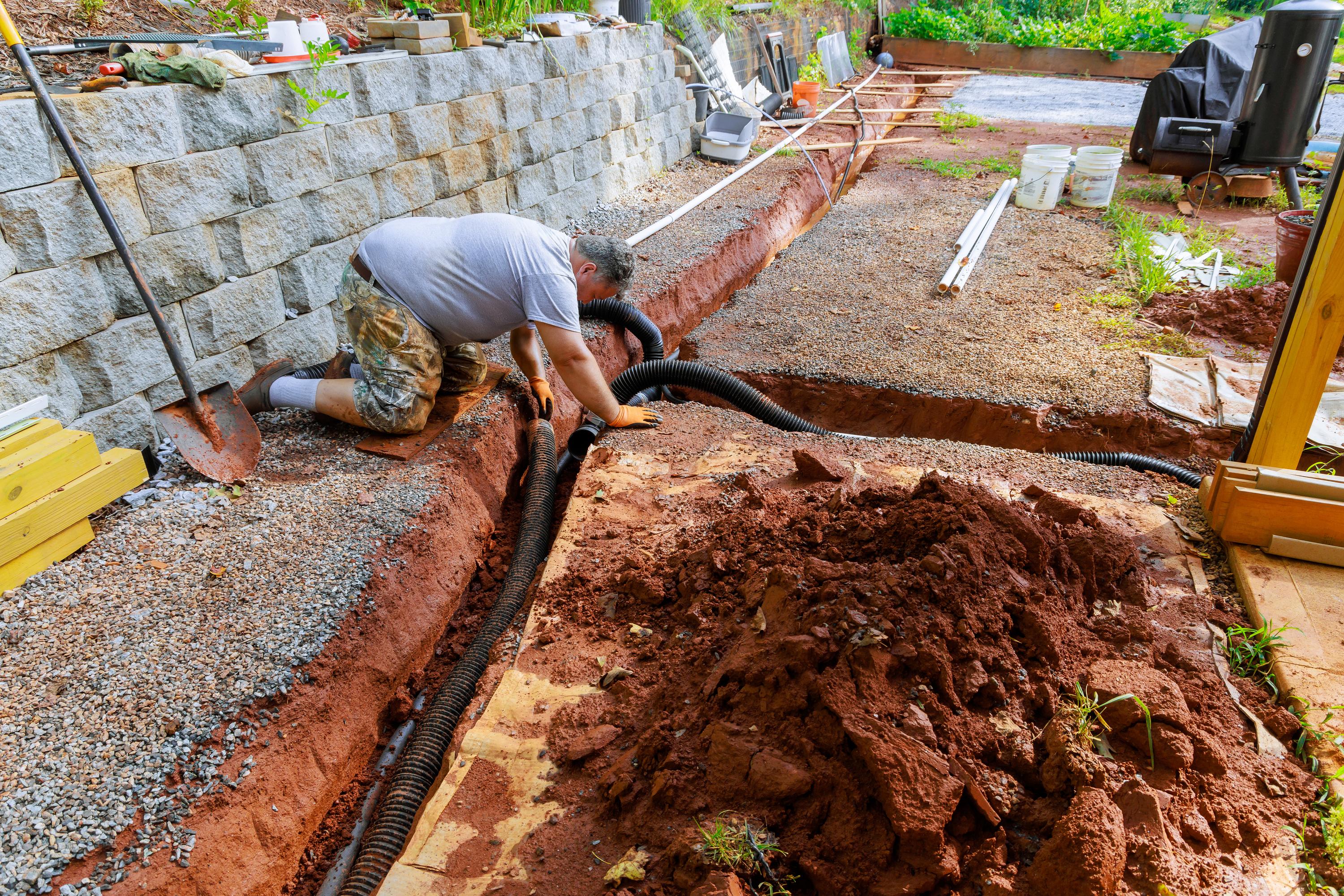
Drainage is all about directing water away from your wall. Behind the wall, install a drainage system to move water downhill. Proper drainage prevents water buildup that can weaken your wall. Consider using gravel or crushed stone behind the wall. This allows water to flow easily through the material. Another option is to use a drainage pipe. These pipes help guide water away from the wall, ensuring the soil stays dry and stable.
Weeping Tile and French Drains
Weeping tiles and French drains are effective for managing water. Weeping tiles collect water and redirect it away. They’re perforated pipes that sit at the base of your wall. French drains are similar but include a gravel-filled trench. These systems are especially useful in areas with heavy rainfall. By installing them, you ensure water doesn’t compromise your wall’s integrity. A well-drained wall is a long-lasting wall.
Grading and Drainage Essentials
Grading is the foundation of good drainage. It means shaping the ground to guide water flow. By sloping the land away from your wall, you prevent water from pooling. This is crucial in maintaining wall stability. In addition, combine grading with effective drainage systems. By doing so, you create a powerful defense against water damage. Remember, water management starts at ground level. For more on yard drainage, check this comprehensive guide.
Building for Long-Term Durability
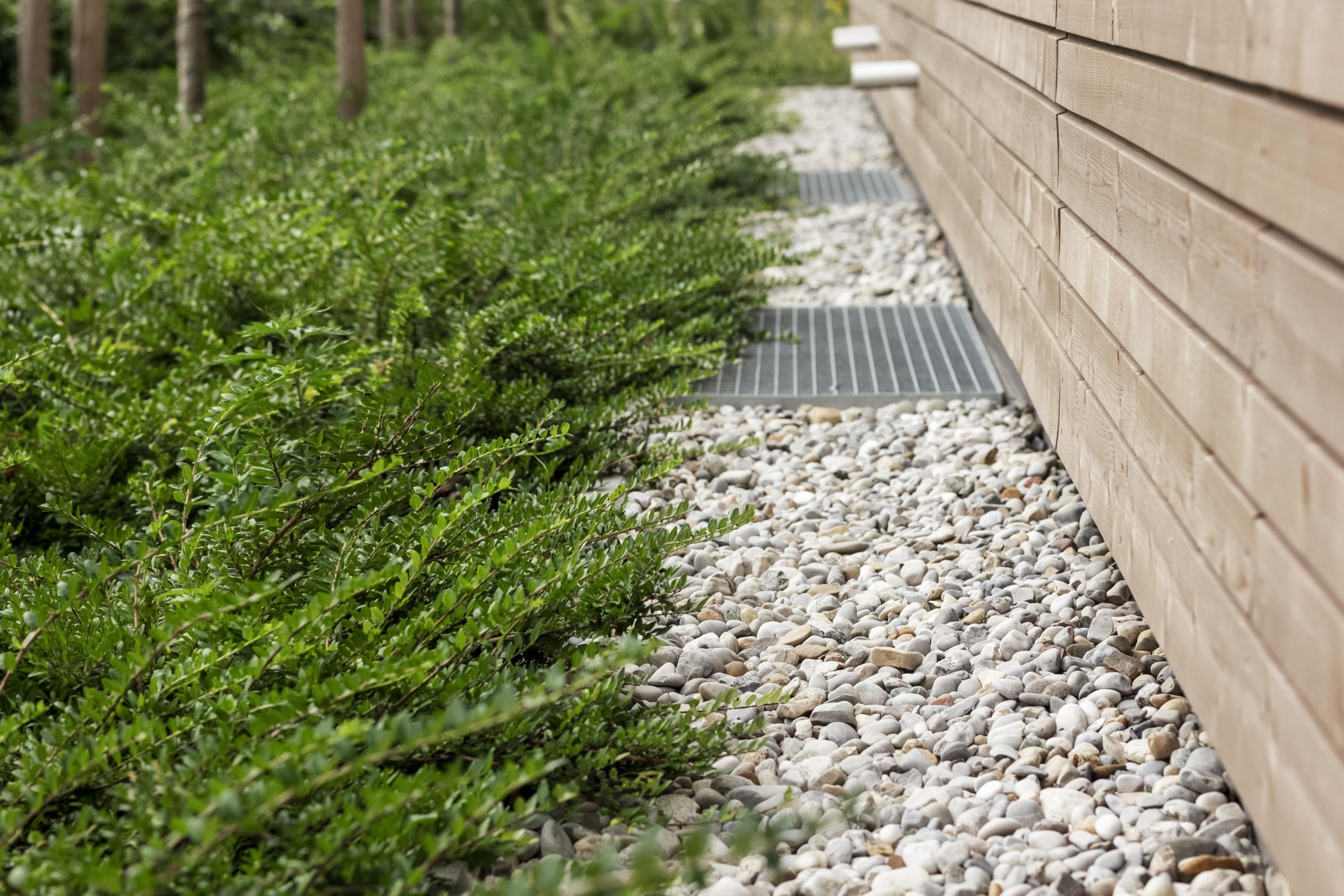
A retaining wall is an investment. Let’s make sure yours stands the test of time.
Importance of Base Preparation
The base is the backbone of your wall. It’s essential to start with a solid foundation. A base made of compacted gravel offers stability and support. This helps prevent shifting and settling over time. Base preparation ensures your wall has the strength to withstand the elements. The longer you wait to address base issues, the more costly repairs become. A firm base means peace of mind.
Role of Geogrid Reinforcement
Geogrid reinforcement is a hidden hero in wall construction. It adds strength by stabilizing the soil behind your wall. This grid-like material is placed between soil layers, preventing erosion. Geogrid helps distribute pressure evenly, reducing strain on your wall. By using geogrid reinforcement, you enhance your wall’s durability. This simple addition can make a significant difference.
Erosion Control Solutions
Erosion is a silent enemy. Without control, it can compromise your wall’s stability. Erosion control solutions include planting vegetation, using mulch, or installing barriers. These methods protect the soil, keeping it in place. Vegetation can be both functional and beautiful. It provides a natural barrier against erosion while adding greenery to your yard. Learn more about erosion control solutions.
Every step in planning, from design to drainage, plays a role in your wall’s success. By following these tips, you’re not just building a wall; you’re creating a lasting structure that enhances your home. Invest in a reliable retaining wall and enjoy a beautiful, functional yard for years to come.
Tags: