
What to Know Before Adding a Custom Pergola or Roof Extension in Kitchener-Waterloo

Adding a custom pergola or roof extension in Kitchener-Waterloo is more than just a home upgrade—it’s a decision that shapes your outdoor living for years. You want the right design, reliable permits, and materials that stand up to Ontario’s weather. With so many details to consider, having a trusted pergola builder near me can make all the difference. Let’s walk through what you need to know before starting your project, so you feel confident every step of the way.
Design and Style Considerations
Choosing the right design for your pergola or roof extension sets the stage for a beautiful outdoor space. It impacts not just aesthetics but also functionality and durability.
Choosing the Right Materials
Selecting the perfect materials for your pergola is crucial. Think about using cedar, known for its natural resistance to decay, or aluminum for a modern touch. Both materials offer durability and style, but they cater to different tastes. Cedar pergolas provide a rustic, warm feel, while aluminum structures deliver a sleek, contemporary look. Consider how each material will complement your existing outdoor elements. Materials like timber can also add a natural aesthetic to your yard, blending seamlessly with the environment. Your choice should reflect both your personal style and the local climate’s demands.
Integrating with Existing Structures
Your pergola or roof extension should blend naturally with your home. This means considering the architectural style and existing structures. You might have patio roof tie-ins that need to match the main building’s lines and materials. Connecting new structures harmoniously with existing ones is essential for preserving the overall look. Use elements like matching soffit, fascia, and gutters to achieve a seamless integration. This careful consideration will enhance your home’s curb appeal and create a cohesive outdoor environment.
Enhancing Outdoor Living Space
Transform your backyard into a haven with a custom pergola. These structures can redefine your outdoor living space, offering a shaded retreat for relaxation and entertainment. Imagine a covered patio where you can unwind with## Design and Style Considerations
When you’re planning your outdoor project, design and style choices set the stage for success. They ensure your new space is both functional and beautiful.
Choosing the Right Materials
Selecting materials is vital for creating a pergola that lasts. Cedar is popular for its natural resistance to decay and insects, making it a great choice for a timber pergola. If you’re looking for something low-maintenance, an aluminum pergola might be the answer. Think about how each material performs in different weather and how it complements your home’s aesthetic. Always consider durability to meet Ontario’s weather challenges, ensuring your investment stands the test of time.
Integrating with Existing Structures
Tying your new pergola or roof extension seamlessly into existing structures is an art. A patio roof tie-in can transform the look and functionality of your space. Proper integration means considering elements like soffit, fascia, and gutters. These components work together to maintain your home’s look while improving utility. Smart integration helps enhance your outdoor space without sacrificing the style of your existing setup.
Enhancing Outdoor Living Space
An outdoor project should elevate your living experience. Consider adding outdoor lighting and electrical to extend usability into the evening. Privacy screens can offer seclusion and create a cozy atmosphere. Enhancing your space is about making it more enjoyable, inviting, and suited to your lifestyle. With thoughtful planning, your outdoor area can become a favorite retreat.
Navigating Permits and Regulations

Understanding the legal landscape is crucial when adding a pergola or roof extension. It ensures your project complies with local laws and avoids future hassles.
Understanding Local Building Codes
Local building codes in Kitchener-Waterloo guide how structures should be built. These rules cover aspects like height, distance from property lines, and safety standards. Being informed about these codes helps in planning a project that avoids legal issues. It’s always a good idea to consult with professionals who are familiar with these regulations to ensure compliance.
Ontario Building Permit for Pergolas
In Ontario, you may need a building permit for your pergola project. This is where understanding the Ontario building permit for pergolas becomes essential. Permits are typically required if the structure is substantial or affects the home’s existing framework. Securing a permit involves submitting detailed plans and adhering to local guidelines. This step is crucial to avoid fines or mandated changes later on.
Addressing Snow Load Requirements
Ontario’s winters require that structures like pergolas can handle snow loads. Ensuring your design meets these snow load requirements is crucial for safety and longevity. It’s not just about strength; it’s about choosing materials and designs that can withstand significant weight. A pergola built with these considerations will remain safe and functional through heavy snowfalls.
Budgeting and Project Planning
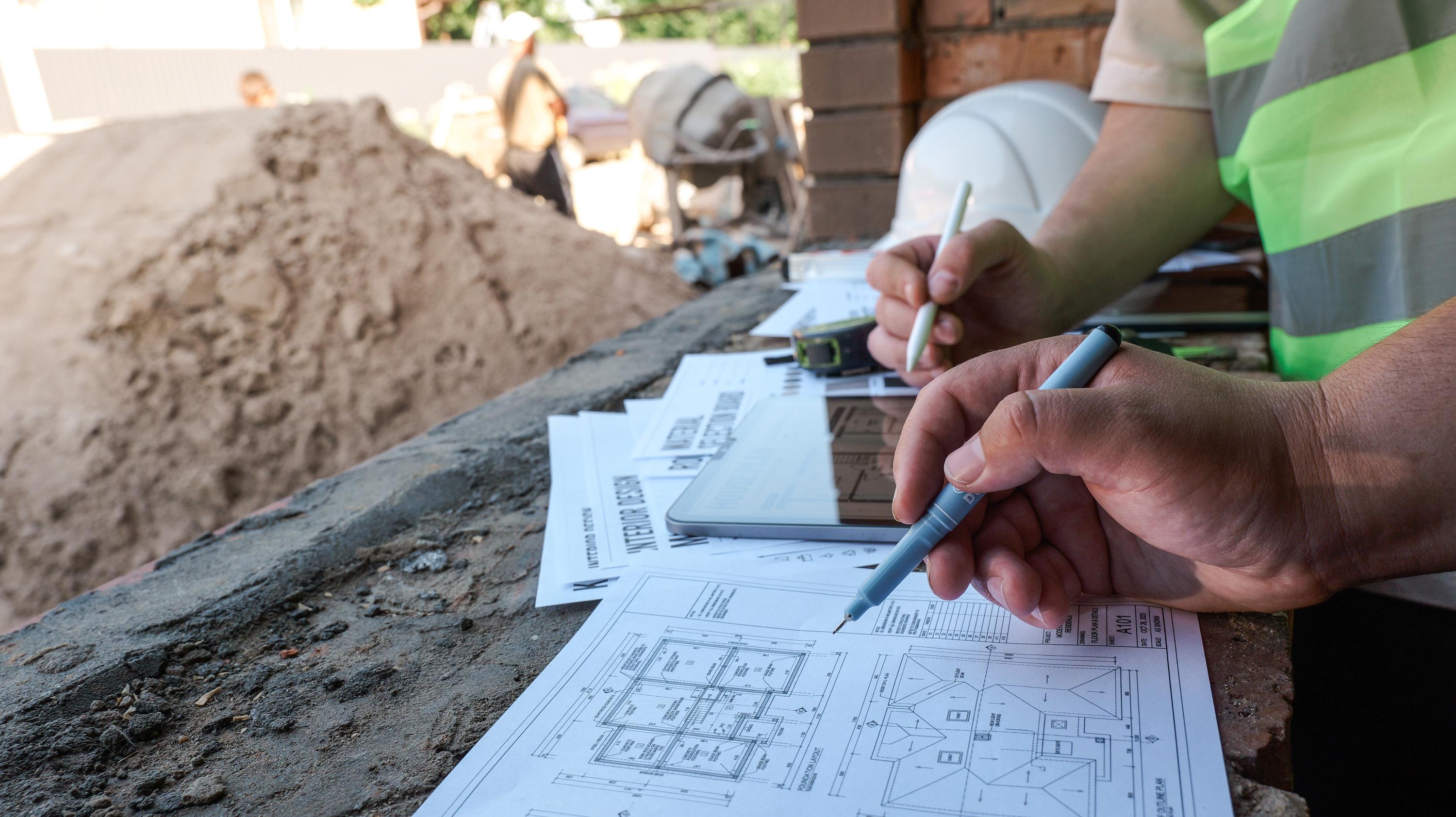
With design and permits sorted, focus on aligning your project with your budget and timeline for a smooth experience.
Estimating Costs and Fixed-Price Quotes
Budgeting starts with estimating costs. Look for contractors who offer fixed-price quotes, eliminating surprises later. When planning, consider everything: materials, labor, and potential unforeseen expenses. This approach provides clarity and helps you stay within your financial limits, ensuring peace of mind throughout the project.
Timeline Transparency and Scheduling
A clear timeline is essential for any construction project. Discuss with your contractor about timeline transparency so you know what to expect. Scheduling impacts not just your budget but also your daily routine. A realistic timeline with clear milestones keeps the project on track and minimizes disruptions to your life.
Booking Your Free Consultation
Ready to start your project? Booking a consultation is the next step. This meeting is where plans come to life, budgets are set, and timelines are established. It’s your chance to ask questions and ensure everything aligns with your vision before construction begins.
Frequently Asked Questions
Do I need a permit for a pergola in Kitchener-Waterloo?
Yes, in most cases, you’ll need a permit for a pergola, especially if it affects the home’s framework or exceeds a certain size. Always check local regulations to be sure.
What materials are best for a pergola in Ontario’s climate?
Cedar and aluminum are top choices. Cedar is naturally resistant to decay and insects, while aluminum is low-maintenance and durable, making both suitable for Ontario’s weather.
How do I ensure my pergola can handle snow loads?
Consult with a professional to design a pergola that meets local snow load requirements. This typically involves choosing strong materials and ensuring proper structural support.
Can I integrate lighting into my pergola design?
Absolutely! Integrating outdoor lighting enhances usability and ambiance. Discuss electrical options during the planning phase to ensure safe and effective installation.
What’s the benefit of a fixed-price quote for my project?
A fixed-price quote provides financial certainty. It helps you plan your budget effectively by eliminating unexpected costs, ensuring a smoother project experience.
Tags: