
What to Know Before Adding a Retaining Wall to Your Property in Kitchener-Waterloo
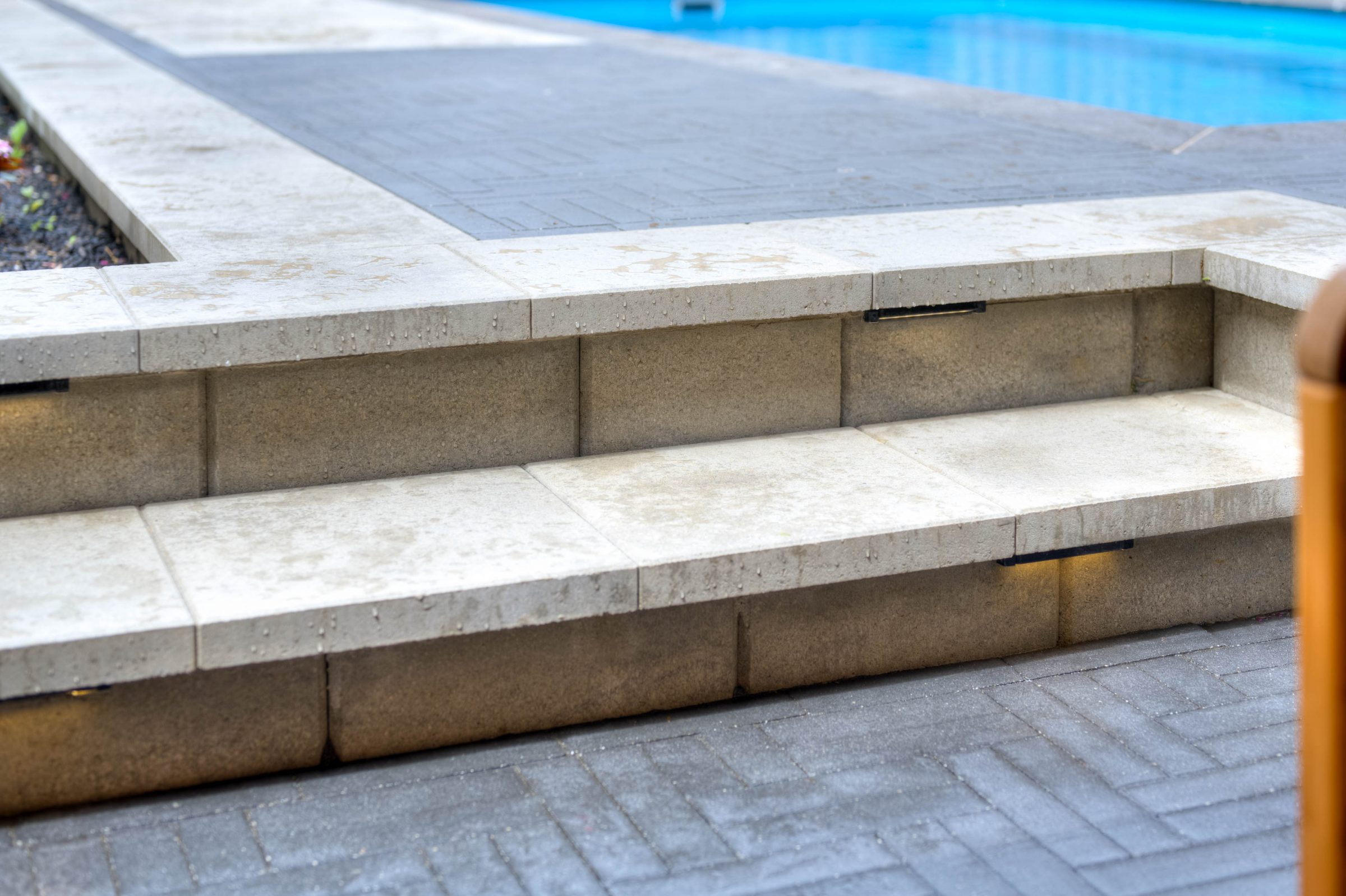
Adding a retaining wall to your property in Kitchener-Waterloo takes more than just picking materials and digging in. Without solid grading, proper drainage, and the right permits, even the best stone retaining wall can face costly problems down the road. We’ll break down what matters most—from frost line footings to slope stabilization—so you can plan with confidence and avoid surprises. Keep reading to learn how Array Contracting Services makes this process smooth and reliable.
Understanding Retaining Walls
Retaining walls are more than just barriers; they’re crucial elements that hold back soil and prevent erosion, offering both function and beauty to your property. Let’s dig into why they’re especially important in the Kitchener-Waterloo area.
Importance in Kitchener-Waterloo
In Kitchener-Waterloo, the landscape can present unique challenges. Slopes and uneven terrain are common, making retaining walls essential for maintaining the beauty and safety of your outdoor space. They can transform unusable areas into functional spaces, perfect for gardens or patios. Plus, they add value to your home by improving curb appeal and providing structural support where needed.
Common Retaining Wall Materials
Choosing the right materials is vital for a sturdy retaining wall. While natural stone offers a classic look, materials like modular block walls or concrete can provide modern aesthetics with robust durability. Each material has its pros and cons, such as cost, appearance, and longevity. For a detailed comparison, check out this guide on building retaining walls.
Key Engineering Considerations
When it comes to engineering, precision is key. Retaining walls must be carefully designed to withstand the pressure from soil and water. This involves detailed planning and the use of elements like geogrid reinforcement and proper drainage systems. Ignoring these can lead to costly repairs. To understand more about the engineering behind retaining walls, watch this video tutorial.
Planning Your Retaining Wall
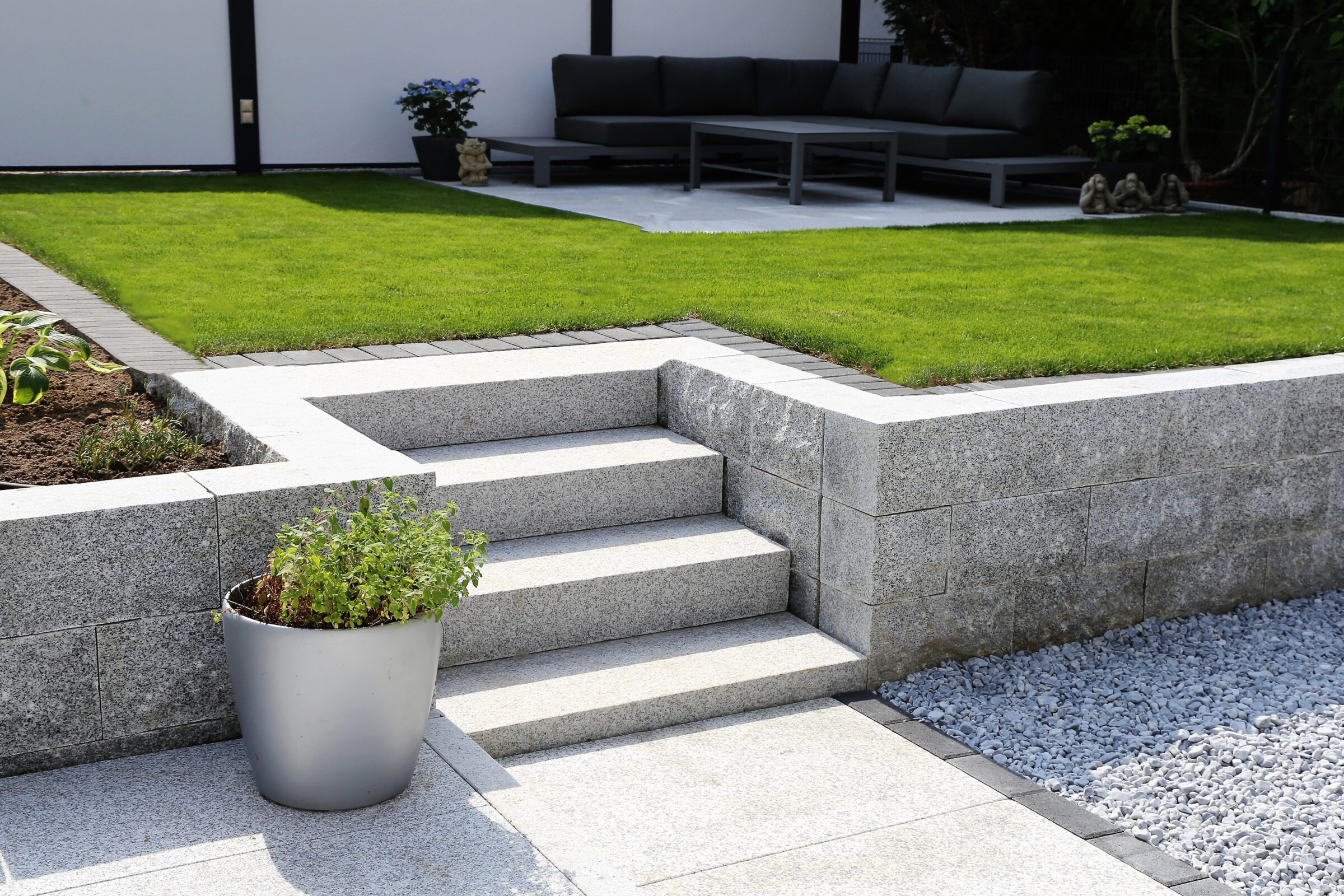
Proper planning ensures your retaining wall project runs smoothly. Let’s explore the essentials that will guide you from concept to completion without a hitch.
Grading and Drainage Essentials
Proper grading and drainage are the backbone of any successful retaining wall. Grading determines how water flows around your wall, preventing erosion and structural damage. Drainage systems like weeping tile are crucial to redirect water away from the wall, ensuring its longevity. Without these, even the most beautifully constructed wall can fail. Learn more about drainage solutions in this helpful article.
Navigating Permits and Building Codes
Before breaking ground, it’s important to understand the local building codes and permits required for retaining walls in Ontario. The regulations can vary, but failing to comply can lead to legal issues and fines. It’s always best to consult with a professional who is familiar with retaining wall permits in Ontario to ensure compliance.
Budgeting for Your Project
Budgeting is a critical step in planning your retaining wall. Costs can vary greatly depending on materials, size, and complexity. It’s beneficial to outline a detailed budget that includes materials, labor, and any additional features you might want. Remember, investing in quality materials and professional installation can save money in the long run by preventing future repairs.
Retaining Wall Construction Process
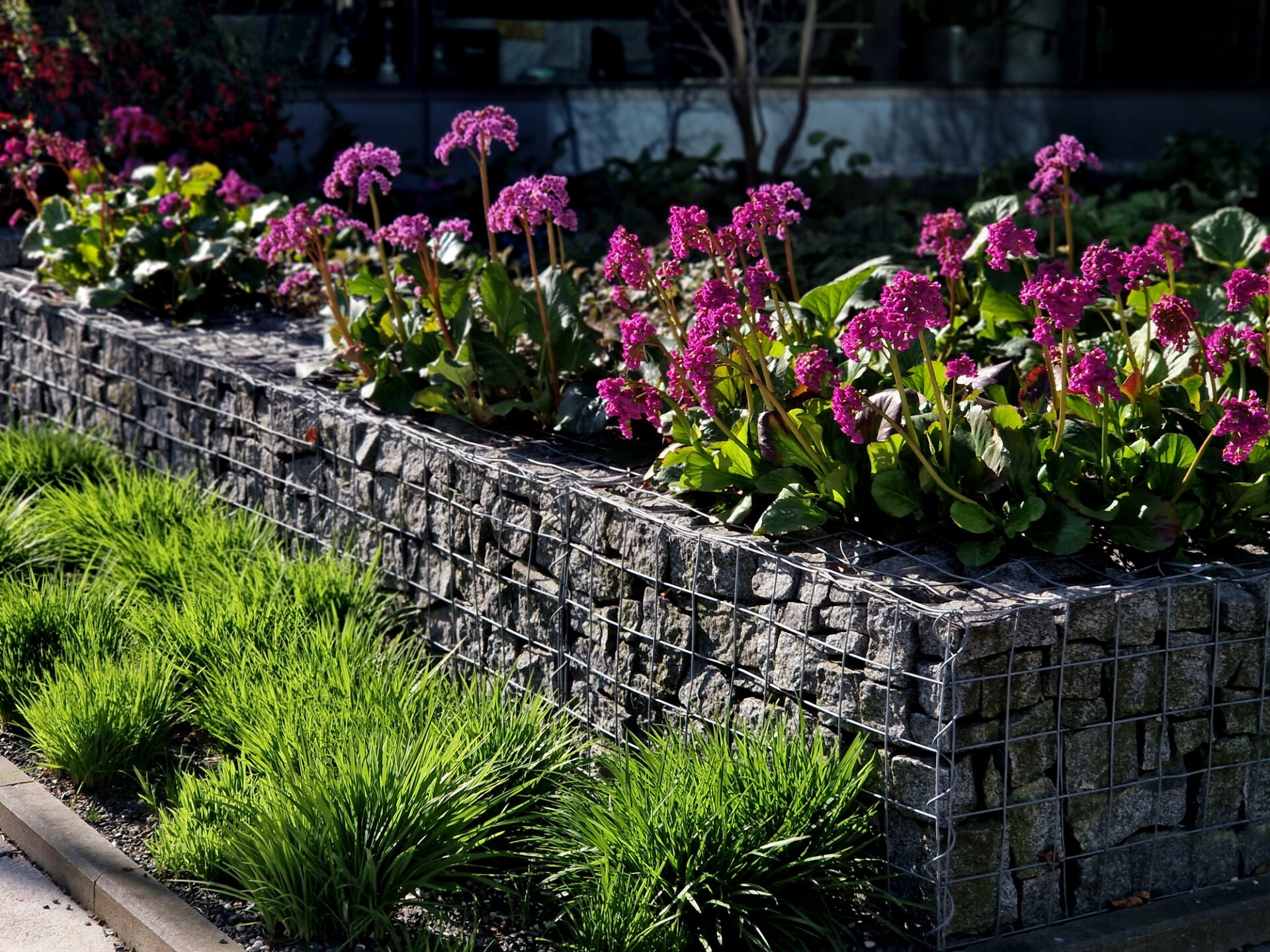
Building a retaining wall is a step-by-step process that requires careful attention to detail. Let’s take a look at what this involves from start to finish.
Proper Base Preparation and Footings
The foundation of your retaining wall is crucial. Proper base preparation ensures stability and prevents the wall from shifting over time. This involves compacting the soil and using frost line footings to prevent heaving during colder months. For a comprehensive walkthrough, check out this detailed guide on base preparation.
Installing Retaining Wall Drainage
Drainage is vital to the health of your retaining wall. Installing proper drainage systems, like geotextile fabric and gravel backfill, helps manage water flow and prevents pressure from building up against the wall. This step is often overlooked, but it’s essential for maintaining the wall’s integrity and should not be skipped.
Maintenance and Long-term Care
Once your wall is built, maintenance is key to its longevity. Regular inspections for cracks or bulges can prevent minor issues from becoming major problems. Cleaning any debris and ensuring drainage systems remain clear is also important. A well-maintained retaining wall will serve you well for many years.
In summary, a retaining wall can be a valuable addition to your property, providing both functional and aesthetic benefits. By understanding the importance of grading, drainage, and proper materials, you can ensure a successful project that enhances your outdoor space. If you’re ready to transform your backyard with a retaining wall, consider reaching out to Array Contracting Services.
Tags: