
What to Know Before Adding a Retaining Wall to Your Property in Kitchener-Waterloo
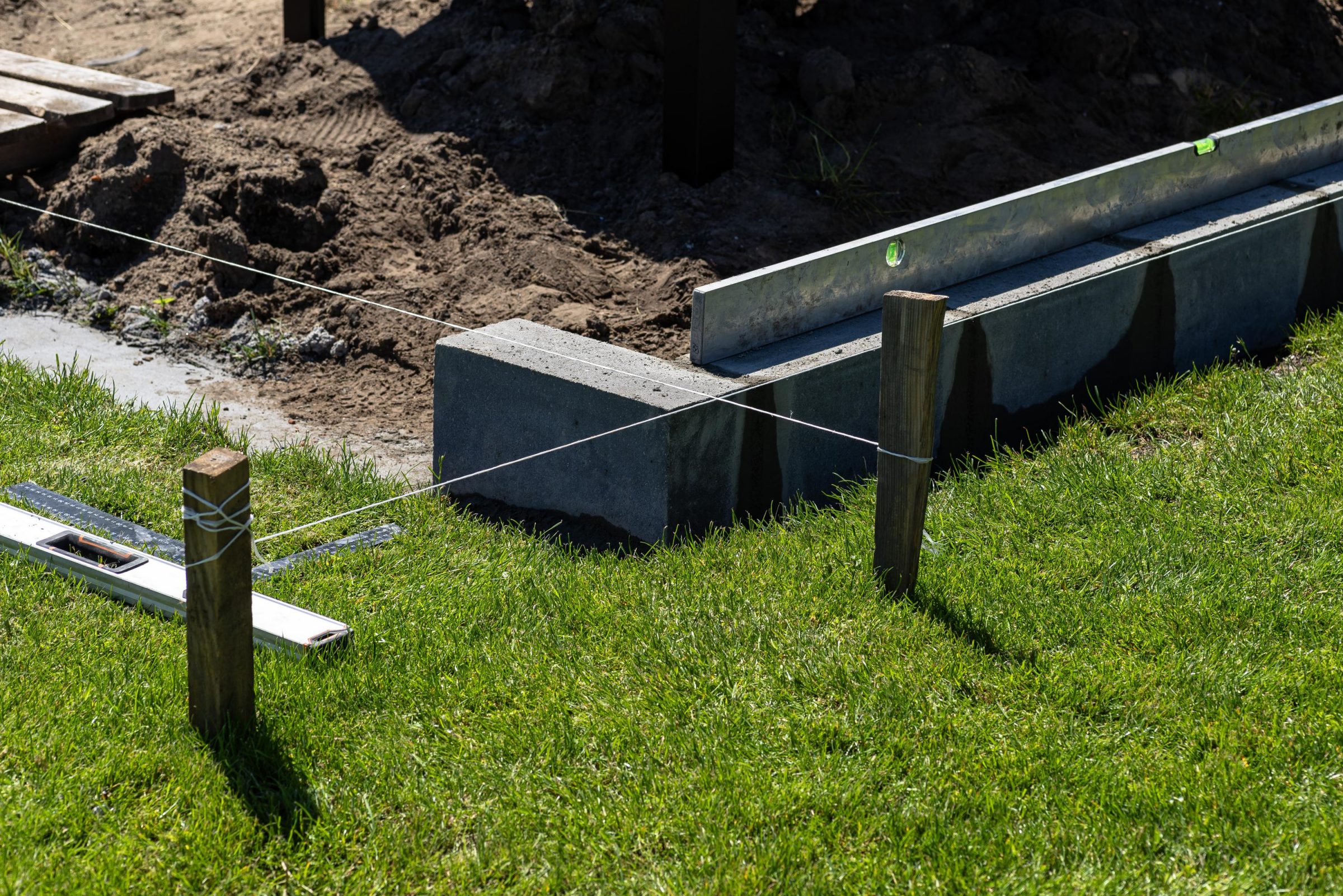
Planning to add a retaining wall in Kitchener? There’s more to it than just stacking stones. From permits to drainage and the right materials, each step shapes how long your wall lasts and how well it fits your yard. Keep reading to learn what matters most before you start building with a trusted Kitchener-Waterloo landscaping contractor. For more insights on building a retaining wall, check out this guide.
Planning Your Retaining Wall
Before building a retaining wall, take time to plan carefully. This ensures structural integrity and aesthetic appeal, while avoiding costly errors later.
Assessing Slope and Drainage
Understanding your yard’s slope and drainage is crucial. A steep slope may require additional support, while poor drainage can cause erosion. To start, evaluate the grade of your yard. If it’s steep, consider a tiered retaining wall for better stability. Check drainage by observing water flow during rainfall. Proper drainage behind a retaining wall prevents water buildup, which can lead to wall failure. Installing drainage pipes or gravel can help manage water effectively.
Permits and Regulations in Ontario
Building a retaining wall in Ontario often requires permits. Check with local authorities to understand the regulations. Typically, walls over a meter high need a permit. Regulations ensure safety and compliance with city codes. Failing to obtain the necessary permits can result in fines or having to dismantle the wall. It’s best to consult with a Kitchener-Waterloo landscaping contractor to navigate these requirements smoothly.
Choosing the Right Materials
The materials you choose will affect your wall’s durability and appearance. Options include natural stone, concrete blocks, and wood. Natural stone offers a timeless look and excellent durability, while concrete blocks provide a modern appearance and are easy to install. Wood can be a cost-effective choice for short-term projects. Evaluate your budget and aesthetic preferences when selecting materials.
Designing for Stability and Style
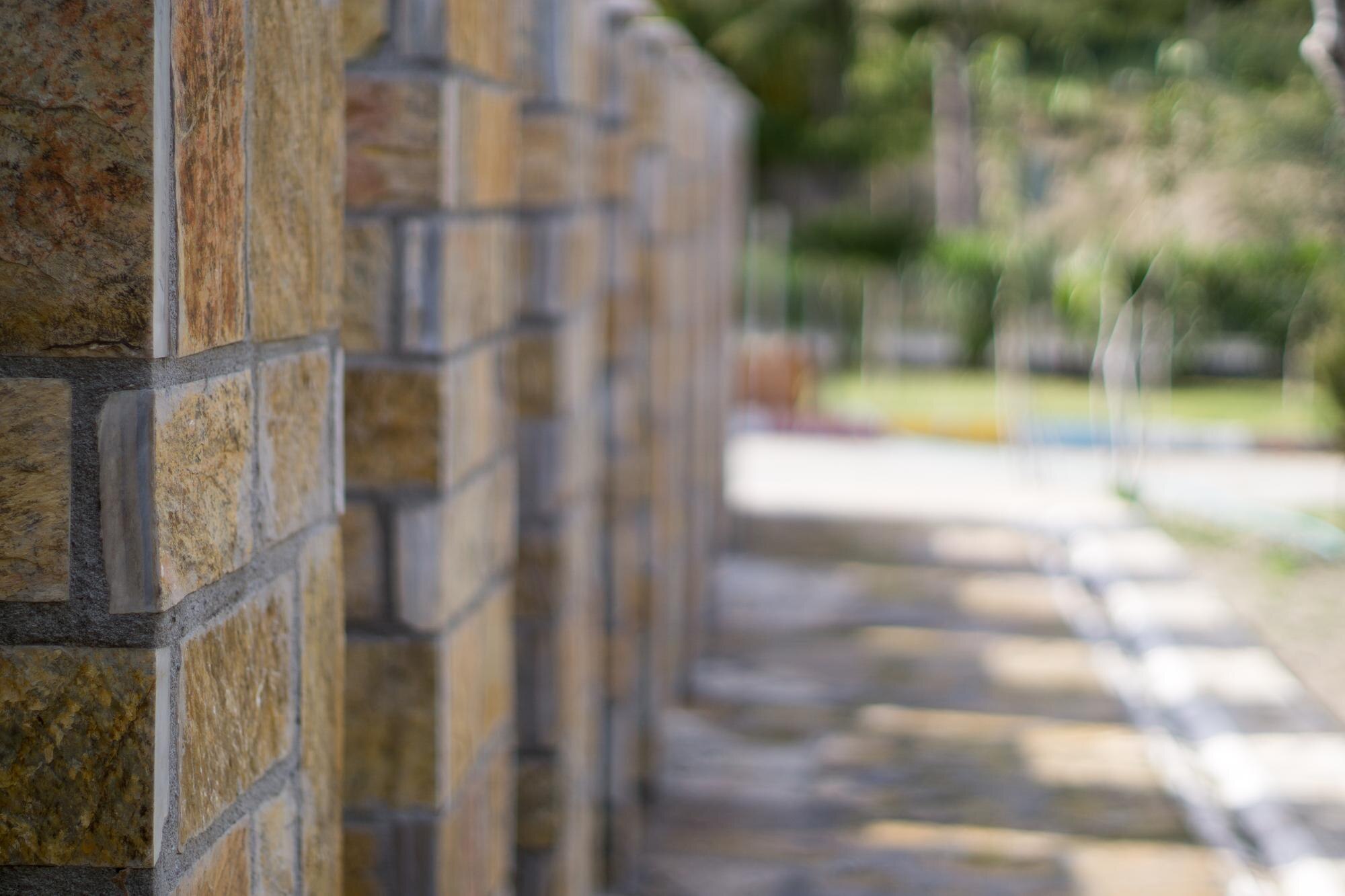
Designing your retaining wall requires careful consideration to ensure it is both stable and attractive. Let’s explore engineering and style elements.
Engineering Considerations
Engineering is key to a stable wall. Consider wall height, soil type, and load. Higher walls need reinforced construction, while certain soil types may require additional support. Understanding these factors helps in designing a wall that withstands pressure. Consulting with an engineered retaining wall specialist ensures your wall is built to last.
Geogrid Reinforcement Explained
Geogrid reinforcement enhances wall stability. It is a mesh material placed between wall layers to increase strength. This is especially important for walls over four feet high. Geogrid helps distribute loads evenly, reducing the risk of collapse. Installing geogrid reinforcement is a crucial step for long-term stability.
Integrating Patios and Steps
Integrating patios and steps with your retaining wall can enhance functionality and style. Consider how these elements will interact. A well-designed integration can create a seamless transition between different yard levels. It also provides additional space for entertaining or relaxing. Plan your layout carefully to maximize both aesthetics and utility.
Budgeting and Installation Process
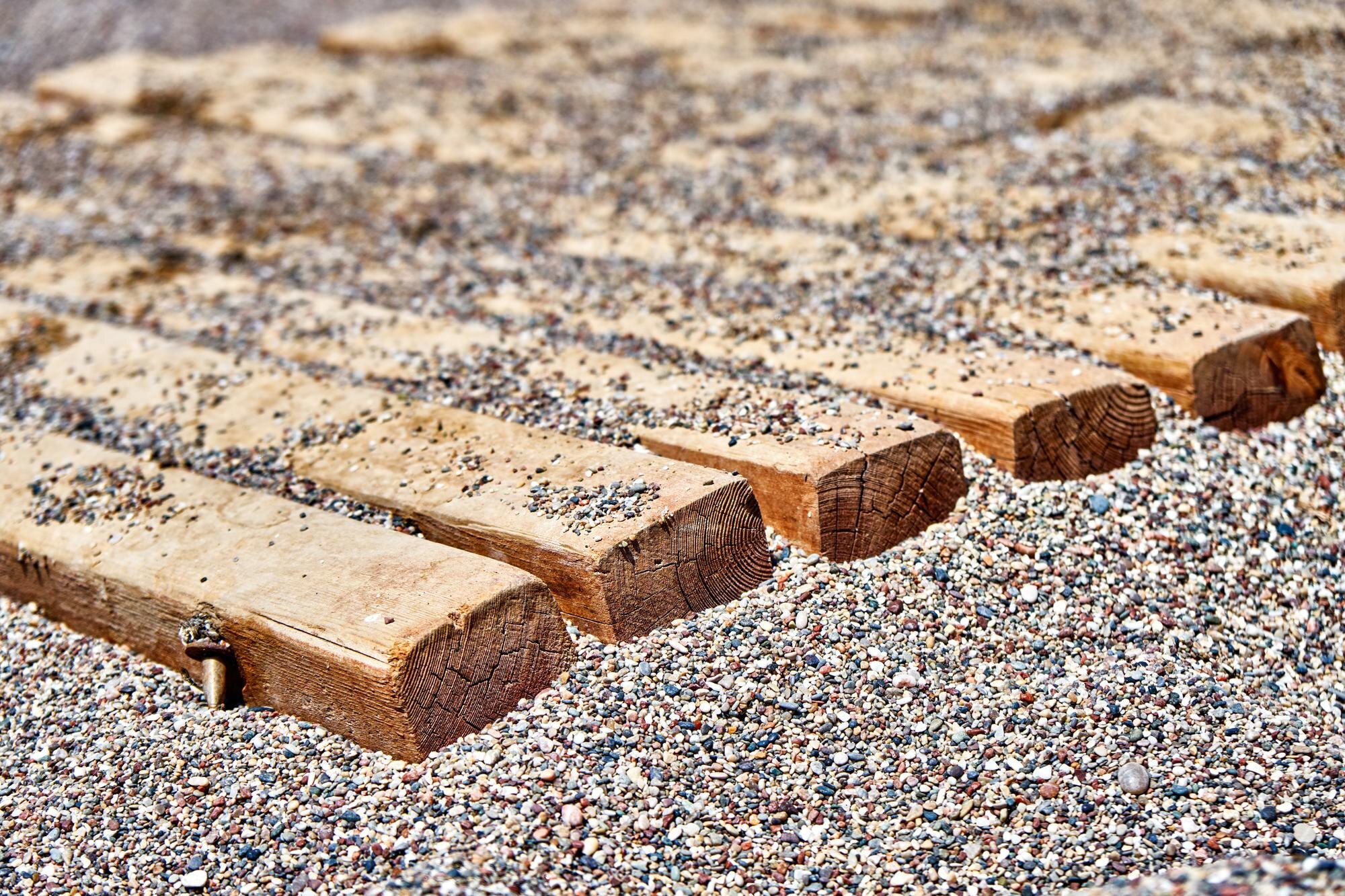
Effective budgeting and understanding the installation process are vital for a successful project. Let’s break down costs and steps involved.
Understanding Project Costs
Project costs vary based on materials, labor, and wall size. Natural stone is often pricier than concrete blocks. Labor costs depend on complexity and contractor experience. To get a clear estimate, consider all factors and get multiple quotes. This helps avoid surprises and ensures your project stays within budget.
Timeline and Construction Steps
The timeline for building a retaining wall depends on size and complexity. Typically, it takes from a few days to a couple of weeks. Construction steps include site preparation, laying the foundation, and building the wall layer by layer. Proper planning and execution ensure timely completion and a quality finish.
Selecting a Trusted Local Contractor
Choosing the right contractor is crucial for a successful project. Look for experience, positive reviews, and clear communication. A reputable Kitchener-Waterloo landscaping contractor, like Array Contracting Services, can guide you through the process, offering expertise and reliable service. Selecting a trusted contractor ensures peace of mind and a beautiful, long-lasting retaining wall.
For more detailed guidance, check out this comprehensive tutorial.
Tags: