
What to Know Before Adding Custom Carpentry to Your Outdoor Space in Kitchener-Waterloo
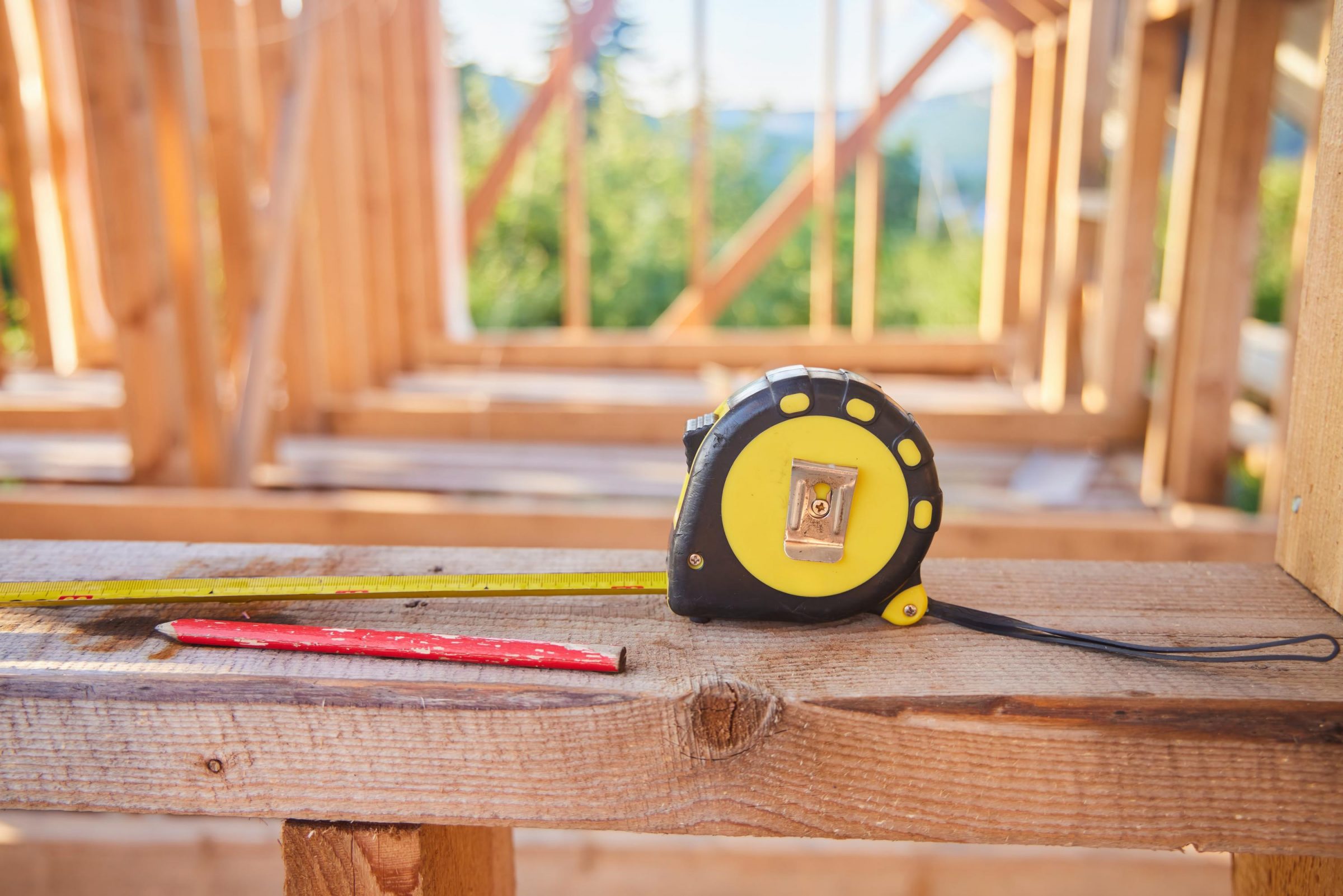
Custom carpentry in Kitchener-Waterloo can turn your outdoor space into a true extension of your home. But there’s more to it than picking wood and styles. From choosing the right materials to navigating permits and syncing with existing landscaping, every detail matters. Keep reading to get clear insights that will help you plan confidently and avoid common pitfalls before you start building with Array Contracting Services.
Design and Planning Essentials
Creating a cohesive outdoor area starts with a clear plan. You need to visualize the space, pick materials, and handle permits. Here’s how you can do it seamlessly.
Tailoring Your Outdoor Vision
Begin by visualizing how you want your outdoor space to look. Think about your lifestyle and how you plan to use the area. Maybe you’re dreaming of a cozy pergola or a large deck for gatherings. Custom carpentry solutions can help you achieve this vision with precision. Start with sketches and mood boards. These tools will help you communicate your ideas effectively. Remember to consider the flow between indoor and outdoor spaces to create a natural extension of your home.
Choosing the Right Materials
Selecting the right materials is crucial for durability and aesthetics. Different woods have different benefits. For instance, cedar is popular for its natural resistance to weather and insects. It’s ideal for pergolas and custom timber structures. Evaluate the pros and cons of each option against your budget and maintenance preferences. Quality materials might cost more initially, but they save money in the long run by reducing repairs and replacements.
Understanding Local Permits
Before building, it’s essential to understand the permit requirements in Kitchener-Waterloo. Permits ensure your project complies with local building codes. They can seem daunting, but they’re vital for avoiding legal issues. Check with local authorities or consult with a roof extension contractor. They can guide you through the process, ensuring that all paperwork is in order. This step helps prevent costly delays and ensures your project is safe and up to code.
Seamless Integration Techniques
Once your design and materials are sorted, focus on integrating your new structures with existing elements. It’s all about creating harmony in your space.
Merging with Existing Structures
Integrating new construction with existing elements requires careful planning. Consider how new structures, like pergolas or decks, will connect to your home. This could involve matching materials or styles for a cohesive look. A skilled pergola builder in Kitchener can help you achieve this. They ensure that the new additions complement the existing architecture, enhancing overall aesthetics.
Enhancing with Smart Installations
Incorporating smart technology into your outdoor space can elevate your experience. Consider adding features like automated lighting or weather sensors. These not only add convenience but also increase your property’s value. Smart technology can seamlessly integrate with outdoor kitchen carpentry, providing functionality and style to your space.
Planning for Weather Conditions
Weather can impact outdoor carpentry projects significantly. Plan for local weather patterns, such as heavy rain or snow, which can affect materials and construction schedules. Choose weather-resistant materials and design features to withstand these conditions. It’s also wise to consider installing protective structures, like awnings or covered areas, to extend the lifespan of your outdoor investments.
Budgeting and Timelines Explained

Planning your budget and timeline upfront is essential for a successful project. Knowing what to expect will help you avoid surprises down the road.
Setting Realistic Expectations
Set clear and realistic expectations for your project. Understand that custom carpentry projects can take time. Discuss timelines with your contractor. This helps align expectations and prevents misunderstandings. Keep in mind that quality work is worth the wait, and rushing can lead to mistakes.
Managing Costs Effectively
Managing your budget involves balancing quality and cost. Start by listing all potential expenses, including materials, labor, and permits. Consult with Array Contracting Services for detailed quotes. They provide transparency in pricing, ensuring no hidden costs. Be prepared for unexpected expenses, and set aside a contingency fund to cover them.
Scheduling Your Project Steps
To keep your project on track, create a schedule outlining each step. Break the project into phases, from initial design to final touches. A detailed schedule helps manage time efficiently and ensures all parties are on the same page. Regular check-ins with your contractor will keep the project moving smoothly and address any issues promptly.
Frequently Asked Questions
What permits are needed for outdoor carpentry projects in Kitchener-Waterloo?
To start an outdoor carpentry project in Kitchener-Waterloo, you need building permits that align with local codes. Contact local authorities or consult a professional contractor for guidance on obtaining the necessary permits.
How can I choose the best materials for my outdoor space?
Consider factors such as durability, maintenance, and aesthetics when selecting materials. Options like cedar are popular for their weather resistance. Evaluate each material’s benefits against your budget and long-term needs.
What is the typical timeline for a custom carpentry project?
The timeline for custom carpentry varies based on project scope and complexity. Discuss estimated timelines with your contractor to set realistic expectations, and remember that quality work takes time.
Why is integrating smart technology beneficial for outdoor spaces?
Smart technology enhances convenience and functionality in outdoor spaces. Features like automated lighting and sensors can increase property value and improve your overall outdoor experience.
How can weather affect my outdoor carpentry project?
Weather conditions like rain and snow can impact materials and construction schedules. Choose weather-resistant materials and plan for protective structures to ensure the longevity of your outdoor installations.
Tags: