
Why Proper Drainage Is Critical for Long-Lasting Retaining Walls in Kitchener-Waterloo
Why Proper Drainage Is Critical for Long-Lasting Retaining Walls in Kitchener-Waterloo
Retaining wall drainage often gets overlooked until cracks and bulges appear. When water builds up behind your wall, it pushes hard against the structure, causing damage that’s costly to fix. In Kitchener-Waterloo, proper drainage design protects your investment by preventing movement, frost heave, and failure. Let’s explore how smart drainage choices keep your retaining wall solid and lasting for years. Learn more about proper drainage in retaining wall construction.
Importance of Drainage for Retaining Walls
Neglecting proper drainage can lead to costly repairs and compromised structures. Let’s dive into how it safeguards your retaining wall investment and prevents expensive problems.
Preventing Movement and Cracking
Water is a powerful force. When it accumulates behind your retaining wall, it can cause the wall to shift or crack. This happens because the water pressure pushes against the wall, weakening its structure. You might notice small cracks, which can quickly turn into large fissures if ignored. By managing water flow, you prevent these costly and unsightly issues.
To combat this, ensure water is directed away from the wall. Methods like French drains or proper grading can make a big difference. When you keep the wall dry, it stays stable and lasts longer. So, it’s essential to address any water pooling issues early on. Discover effective ways to manage water flow.
Managing Hydrostatic Pressure
Hydrostatic pressure is another challenge that retaining walls face. It builds up when water accumulates behind the wall, pushing forcefully against it. This pressure can lead to bulging or even collapse if not addressed. The good news is, you can manage this pressure with proper drainage solutions.
Installing perforated drain pipes helps water escape, reducing the pressure on the wall. This simple addition can save you from future headaches and repairs. Remember, controlling hydrostatic pressure keeps your wall standing strong for years. Explore the significance of drainage systems in wall longevity.
Protecting Against Frost Heave
Frost heave is a sneaky problem that occurs during colder months. When water in the soil freezes, it expands, pushing upward and causing movement. This can lead to cracks and shifts in your retaining wall. Proper drainage ensures that water doesn’t get trapped in the soil, reducing the risk of frost heave.
To protect against this, make sure your drainage system is in top shape. Regular inspections and maintenance are key. By doing so, you ensure your wall remains solid and dependable all year round. Learn why drainage is crucial for preventing frost heave.
Essential Drainage Components
Having the right drainage components in place is crucial for your retaining wall’s health. Let’s explore the key elements that keep your wall in peak condition.
Role of Perforated Drain Pipes
Perforated drain pipes play an important role in managing water flow. They collect and redirect water away from the wall, preventing pressure build-up. These pipes are laid at the base of the wall, ensuring efficient drainage.
Installing these pipes might seem like a small step, yet it has a big impact. By keeping water away, you protect the wall from shifting and cracking. It’s a straightforward solution that offers peace of mind. Remember, a dry wall is a happy wall!
Benefits of Crushed Stone Backfill
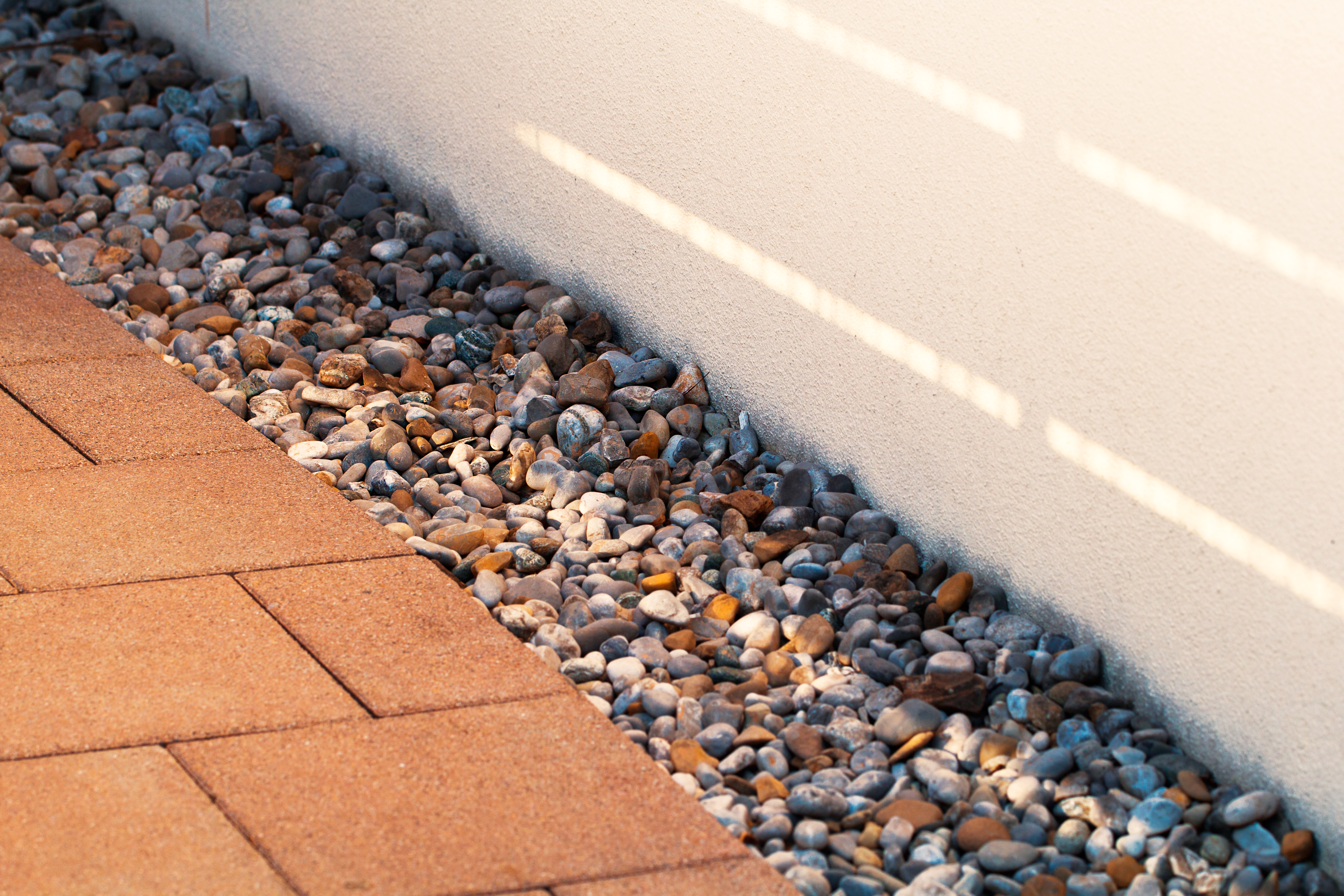
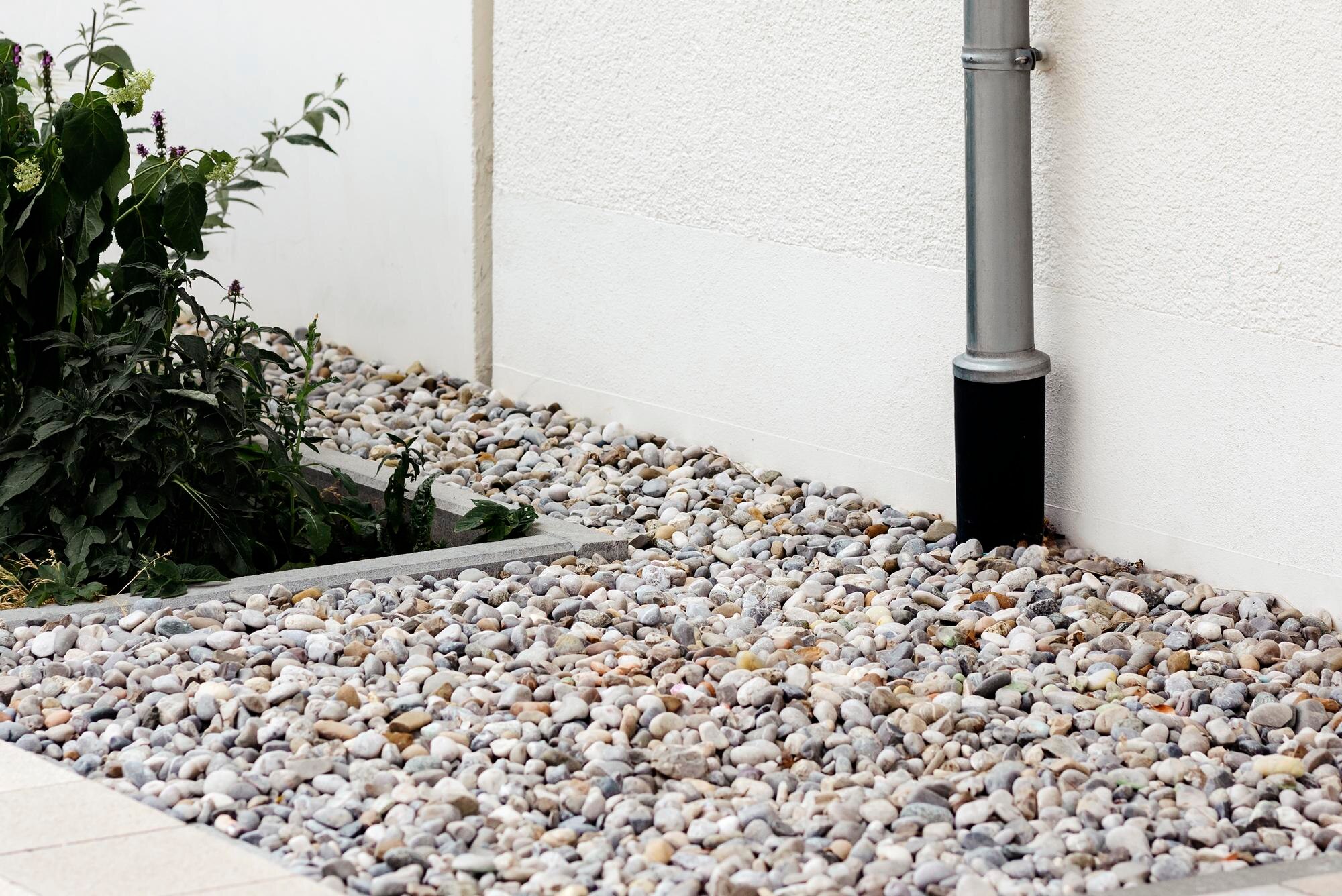
Crushed stone backfill is another essential component. It provides a stable base while allowing water to flow through easily. This reduces the chance of water pooling and increases the wall’s stability.
The stone acts like a filter, keeping soil from clogging the drainage pipes. This ensures that your drainage system operates smoothly, maintaining the wall’s integrity. Using crushed stone is a simple, yet effective way to enhance your wall’s durability.
Geotextile Fabric and Weep Holes
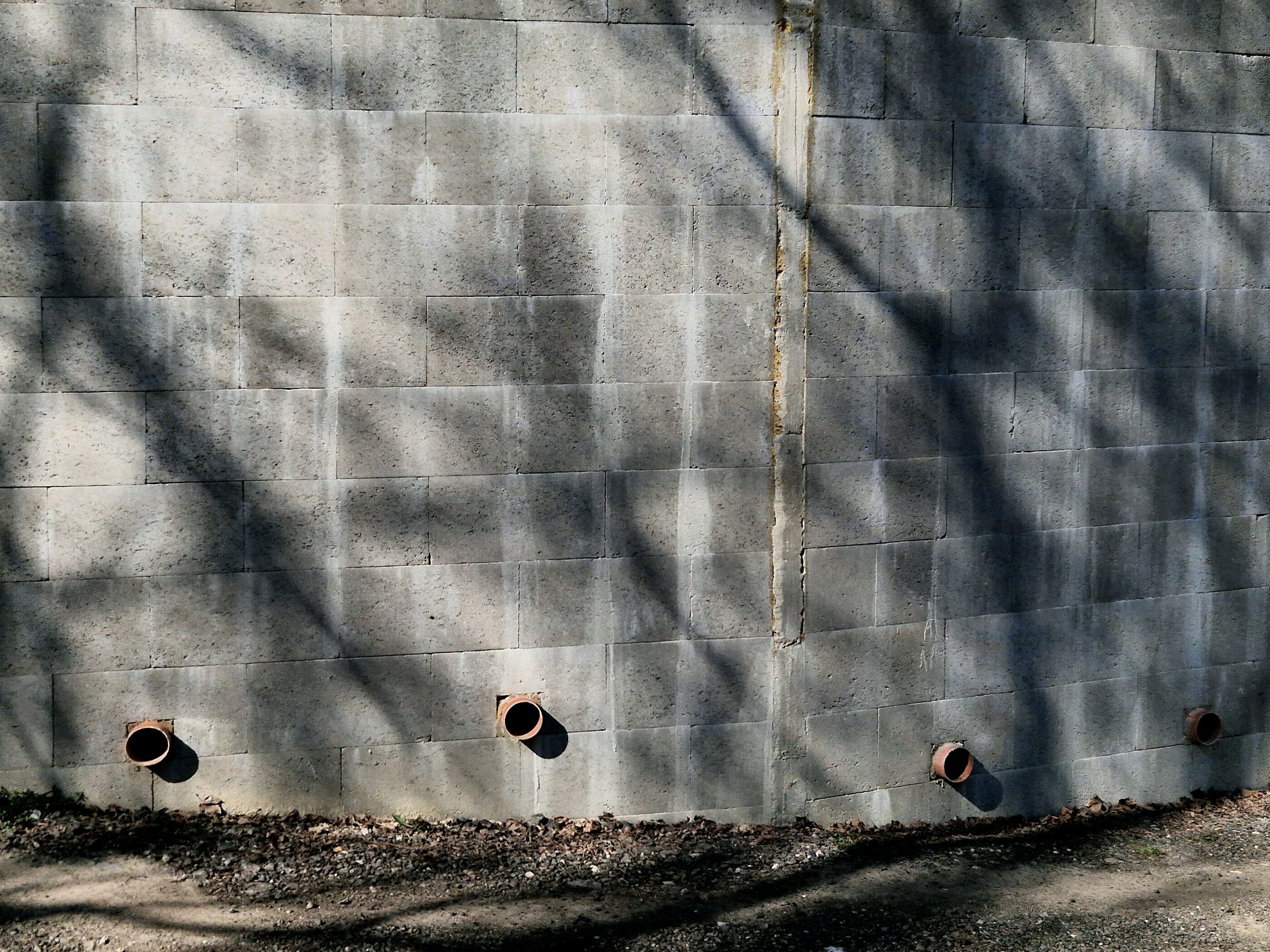
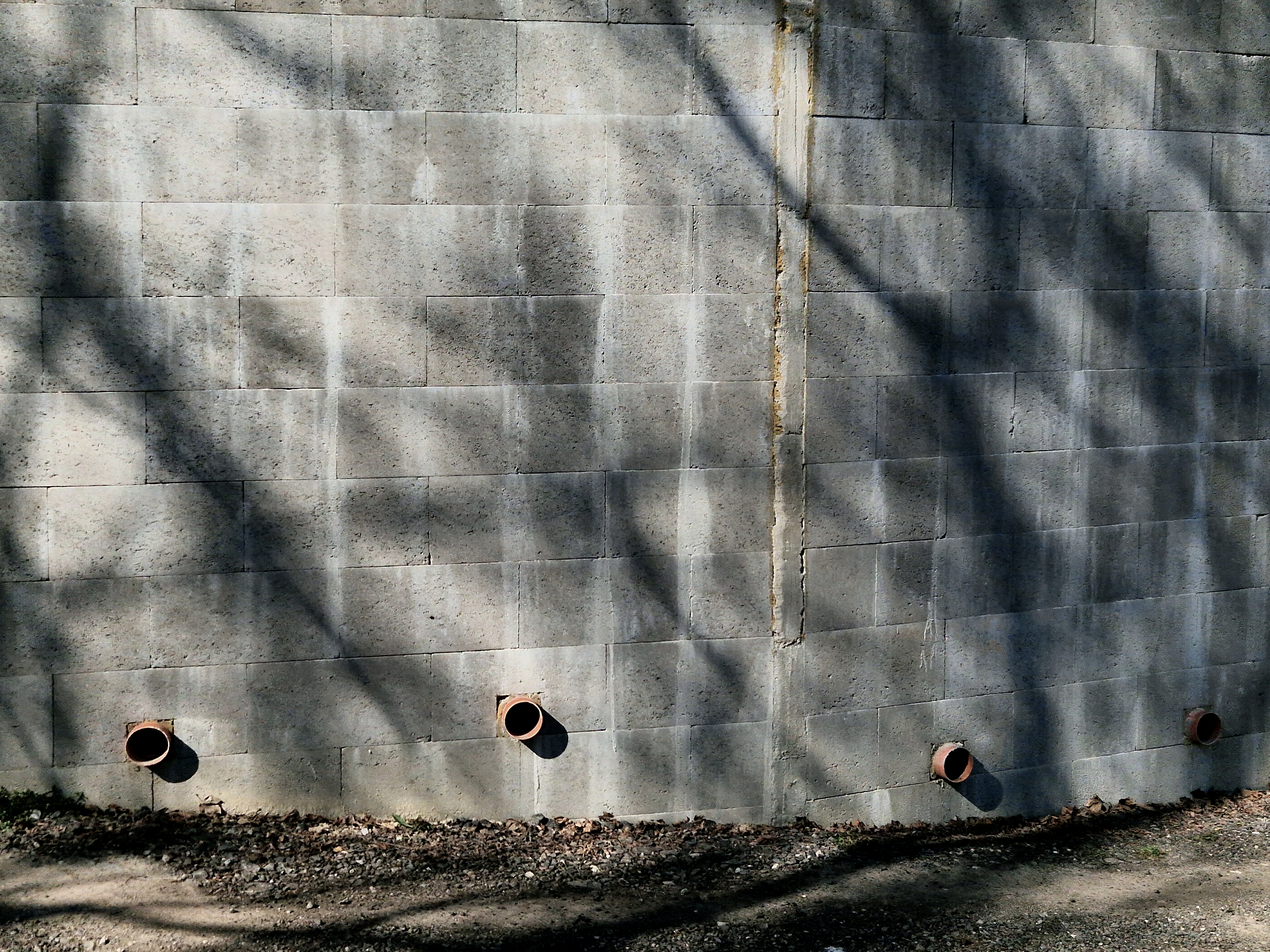
Geotextile fabric and weep holes often go hand in hand in drainage solutions. The fabric prevents soil from clogging the drainage system, while weep holes allow water to escape through the wall.
Having these components in place is crucial. They work together to maintain proper water flow, keeping your wall healthy and strong. By incorporating both, you extend the life of your retaining wall and minimize maintenance needs.
Expert Construction Techniques
Your wall deserves expert care. Let’s look at construction techniques that guarantee durability and longevity for your retaining wall.
Professional Grading and Slope Stabilization
Grading and slope stabilization are fundamental. Proper grading ensures water flows away from the wall, reducing pressure and potential damage. Professionals use precise techniques to achieve the right slope for optimal water flow.
Slope stabilization prevents erosion and adds stability to the wall. This combination keeps your wall secure and looking great. Trusting experts with these tasks ensures your wall stands the test of time. Explore more about professional grading techniques.
Efficient Design and Build Process
An efficient design and build process is key to a successful project. It starts with understanding your site’s unique needs and challenges. Professionals consider factors like soil type, climate, and drainage requirements to design a tailored solution.
The build process involves precision and care. From laying the foundation to installing drainage components, each step is crucial. With the right team, you get a wall that’s both functional and beautiful, enhancing your property’s value.
Comprehensive Drainage Retrofit Solutions
Sometimes, existing walls need a little help. Comprehensive drainage retrofit solutions can breathe new life into older walls. These solutions involve adding or improving drainage components, ensuring the wall remains stable.
Whether it’s installing new drain pipes or enhancing backfill, retrofits can make a significant difference. With expert guidance, you can address issues and prevent future problems. Your wall will thank you, and you’ll enjoy peace of mind knowing it’s built to last.
Investing in proper drainage ensures your retaining wall stands strong for years. By focusing on key components and expert techniques, you protect your property and avoid costly repairs. Trust professionals to deliver the quality and reliability your wall deserves.
Tags: