
Why Proper Drainage Is the Backbone of Long-Lasting Retaining Walls in Kitchener-Waterloo
Why Proper Drainage Is the Backbone of Long-Lasting Retaining Walls in Kitchener-Waterloo
Retaining walls without proper drainage are ticking time bombs. You might not see the damage until cracks appear or the wall starts to shift. Smart retaining wall drainage stops costly repairs before they start and keeps your property safe through Ontario’s freeze-thaw cycles. In this post, you’ll learn what drainage features matter most and how to spot early warning signs so your wall stands strong year after year. For more information on the importance of drainage, you can visit this article.
Essential Drainage Components
Understanding the right drainage components is crucial for retaining walls in our region. Without them, you’re setting up for failure. Let’s explore what makes a strong foundation.
Understanding Weeping Tile Systems
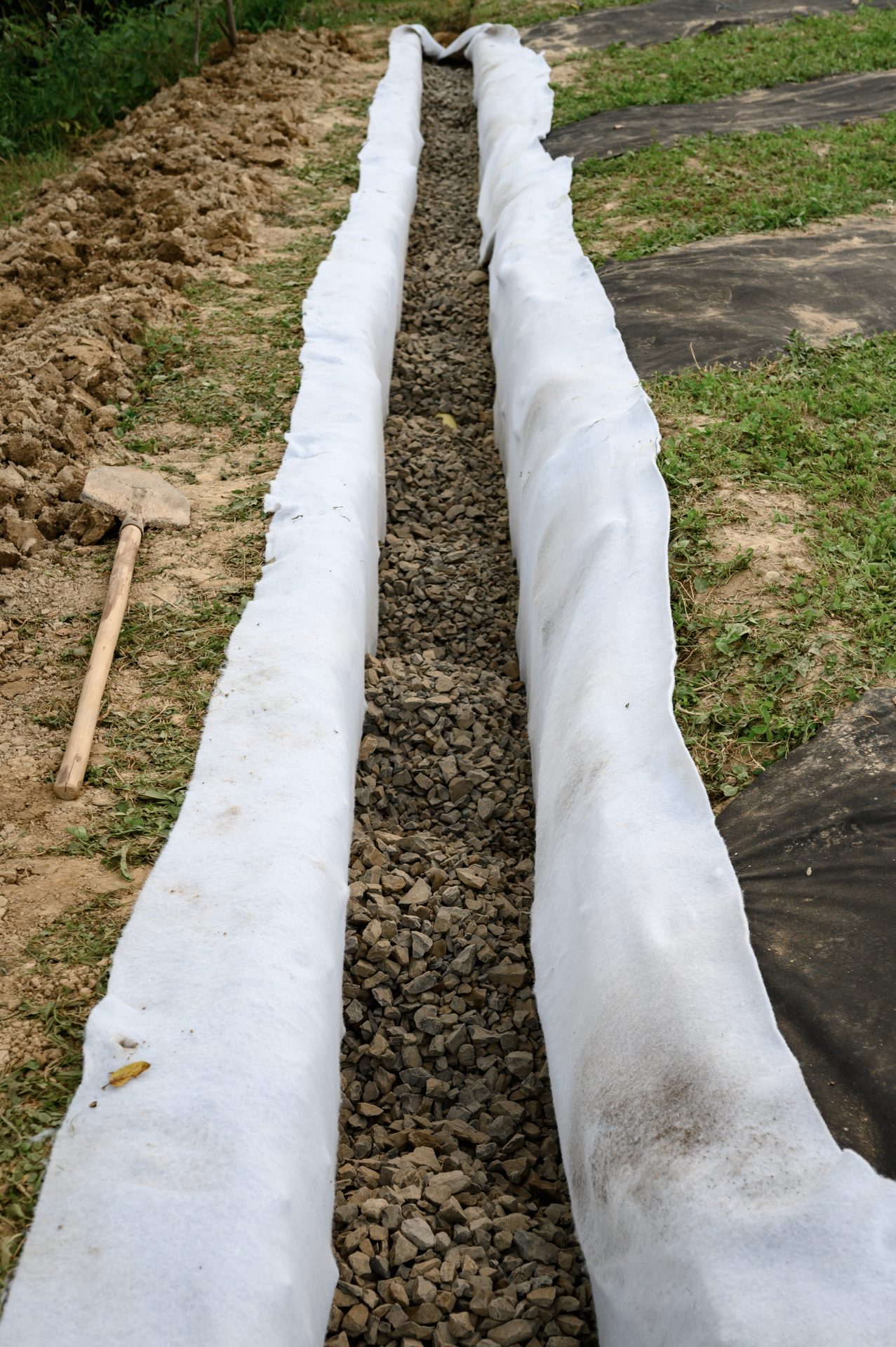
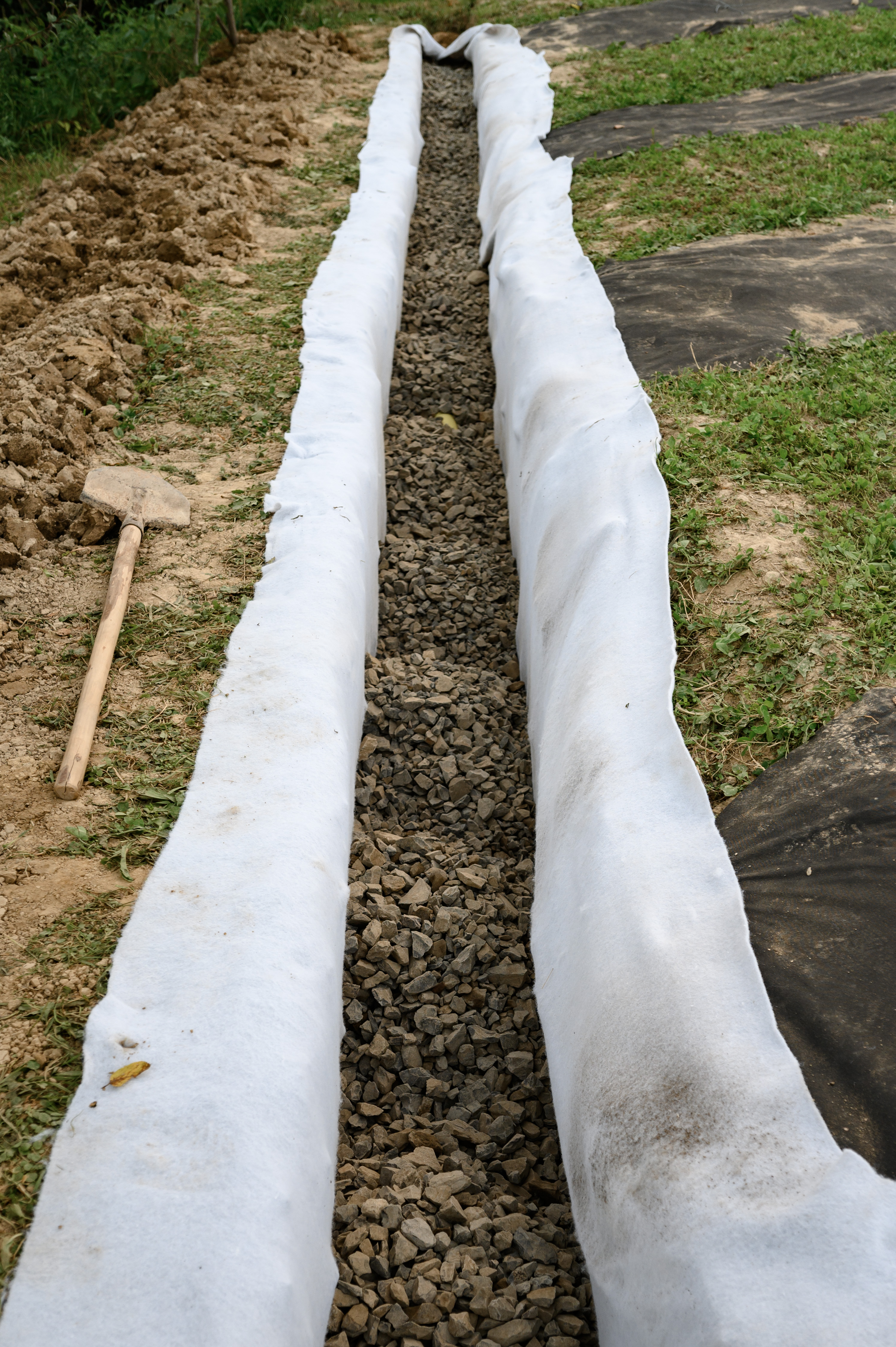
Weeping tile systems are the unsung heroes of retaining walls. They work by channeling water away from your wall. Imagine water building up like a flood behind a dam. Without the right system in place, this pressure can cause walls to crack or collapse. The secret lies in the weeping tiles: small, perforated pipes that direct water away. By doing so, they reduce hydrostatic pressure. Most people overlook this, but it’s the backbone of a solid wall system.
Importance of Drainage Gravel and Geotextile Fabric
Gravel and fabric might sound simple, but they pack a punch in wall stability. Proper drainage gravel helps water flow freely, preventing buildup. When combined with geotextile fabric, it acts like a filter, keeping soil out but letting water through. This combination prevents soil erosion while maintaining wall integrity. Think of it as a shield, keeping your wall safe from shifting ground and excess water. Learn more about how these components work together to protect your investment.
Role of Perforated Drain Pipe and Outlets
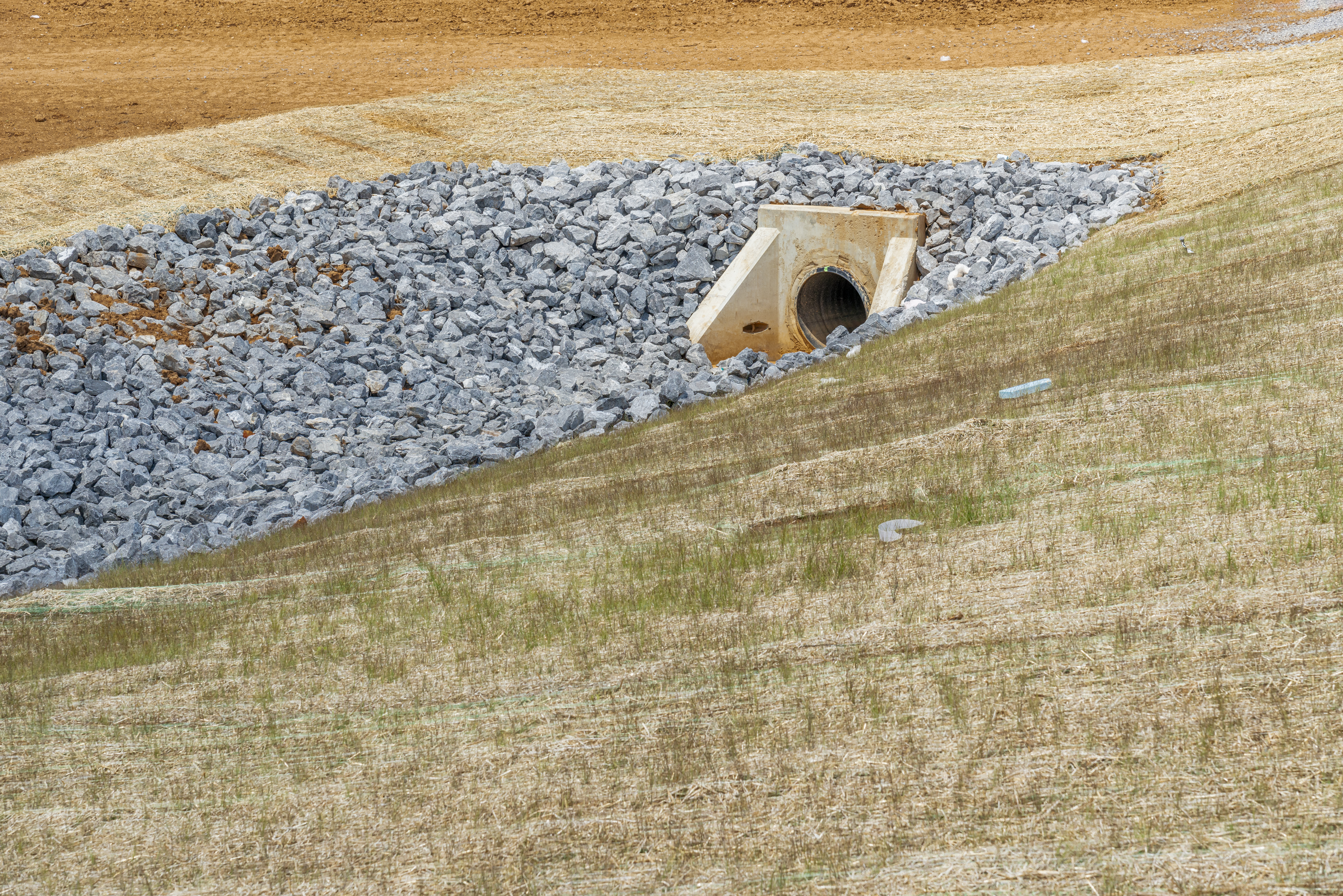
The last key piece is the perforated drain pipe. These pipes offer an escape route for water that seeps through the soil. Without them, water pressure builds up, pushing against your wall. But with a system of pipes and outlets, water finds its way out smoothly. This keeps the wall stable and lessens the risk of costly repairs. Most people think a sturdy wall only needs strong materials, but drainage plays a vital role in keeping it in place.
Common Warning Signs of Trouble
Even with the best components, trouble can sneak up on you. Knowing what to watch for can save you headaches and money down the road.
Indications of Retaining Wall Failure
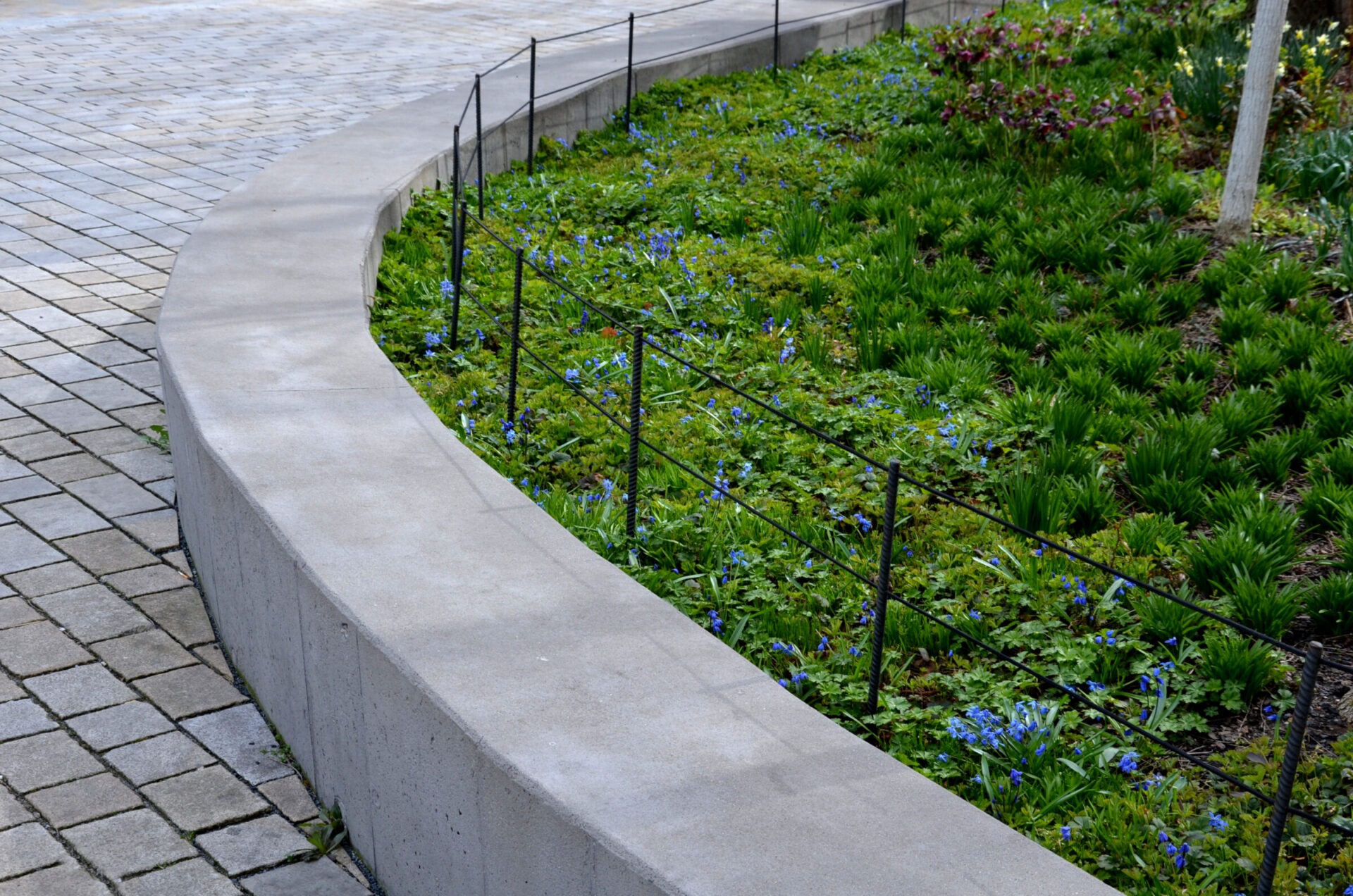
Look out for cracks or bulges in your wall. These are clear indicators that the wall is under stress. If you notice leaning or gaps between blocks, it’s time to act. These issues often stem from poor drainage or shifting ground. A quick inspection can catch these problems early, saving you from bigger repairs later.
Signs of Hydrostatic Pressure and Movement
Hydrostatic pressure is more than a fancy term; it’s a silent force that can wreak havoc. When water builds up behind a wall, it pushes with tremendous force. This pressure can make walls tilt or crack. If you see water pooling or notice wet spots, it’s a red flag. Addressing these signs promptly can prevent further damage. Read how to manage water pressure to protect your walls.
Symptoms of Frost Damage in Ontario
Ontario’s freeze-thaw cycles are tough on retaining walls. Frost can cause soil to expand and contract, leading to cracks and movement. Look for uneven surfaces or sudden shifts in the wall alignment. These are symptoms of frost damage, common in our region. A proactive approach with proper drainage and materials can mitigate these effects and extend the life of your walls.
Maintenance and Prevention Tips
Ongoing maintenance is key to ensuring your wall stands the test of time. Let’s dive into some best practices.
Effective Backfill and Geogrid Reinforcement
Backfill refers to the dirt or material placed behind the wall. Using the right mix is crucial. By incorporating geogrid reinforcement, you add stability to the structure. Geogrid acts like a net, holding everything in place and distributing weight evenly. This combination prevents future movement and adds years to your wall’s life. Many overlook this step, but it’s essential for long-term success. Discover more about how backfill works with other components.
Regular Retaining Wall Inspections
Regular inspections catch small problems before they become big headaches. Set a schedule to check your wall, especially after heavy rains or freezing weather. Look for any early warning signs like cracks, bulges, or water damage. Think of inspections as a health check for your wall. They’re quick, easy, and can save you from costly repairs down the line.
Professional Retaining Wall Repairs and Retrofits
Sometimes, professional help is the best course of action. If you see persistent issues, consider professional repairs. A skilled contractor can assess the situation and recommend the right solutions. From retrofitting with new drainage systems to reinforcing existing structures, professionals bring expertise that ensures lasting results. With their help, your wall can stand strong for years to come, no matter what nature throws its way.
Engaging the right professionals not only secures your walls but also brings peace of mind. In Kitchener-Waterloo, trust in a family-owned business like Array Contracting Services to deliver the quality and care your project deserves.
Tags: